
From Lab Idea to Real Steel
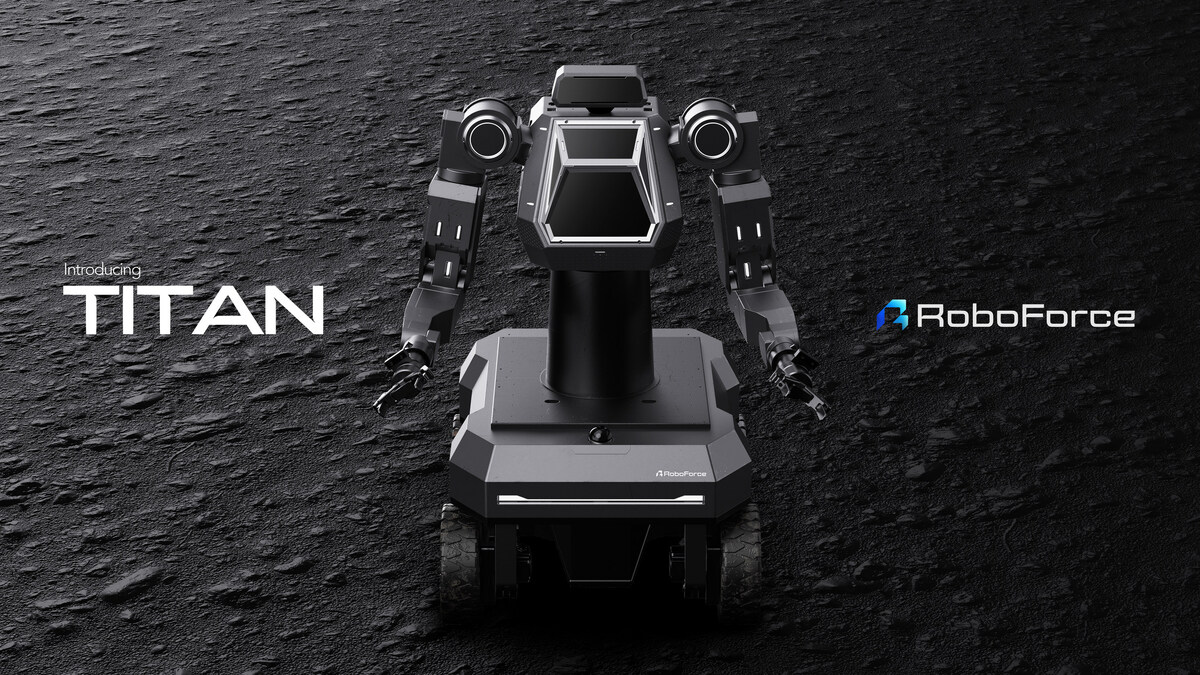
In October 2025, robotics saw a big change. It felt like robots were not just toys for researchers anymore. A startup called RoboForce made the shift. They had been showing smart robot demos in labs. But now, with their robot TITAN, they say they are ready for real work on shop floors, in factories, and even in mines.
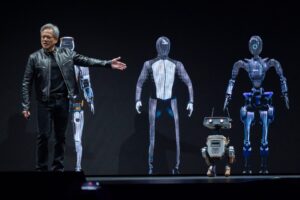
At NVIDIA’s GTC conference, CEO Jensen Huang brought TITAN on stage. This wasn’t just for show: RoboForce says they already have more than 11,000 letters of intent from big businesses that want TITAN for logistics, manufacturing, mining, shipping, and data centers.

What Makes TITAN Different
TITAN is not just a fancy robot model. It runs for 8 hours, can handle things with its two arms, and has a smart brain (RF-Net) that helps it understand where things are, in very fine detail. These are not lab demo specs, but real-world working specs. For companies that have tried robots before and failed, that matters a lot.

A Shift in How Robots Think
Robots are not just about hardware now. The big change is in “physical AI” software that helps robots feel and reason, not just move. NVIDIA’s Isaac toolset, plus their new GR00T N1 robotics model, makes this possible. The idea is to build a software base which different robot makers can use. This reduces the cost and time needed to build a working robot.

Real Money Is Coming In
Big money is flowing into this shift. NVIDIA and Samsung announced a joint AI factory to build robots and AI hardware for industrial use. At the same time, companies like Johnson & Johnson are using NVIDIA’s tools for robot-assisted surgery. These show that this is not just academic promise, real companies are betting on robot infrastructure.
Hard Questions, Big Challenges
It’s not easy. Robots like TITAN are designed for difficult work tasks that are risky or boring for humans. Logistics firms are already testing humanoid robots for work that does not fit traditional automation. But there are big challenges. The robot hardware is costly. Certifications for safety will take time. And making these robots reliably at scale is hard. Also, putting robots in messy, real-world places is far harder than doing demos in clean labs.

What’s Next: The Important Turning Points
There are some key things to watch:
1. Manufacturing at Scale: Can RoboForce and others make robots cheaply and reliably?
2. Safety and Rules: Regulators will want strong testing. Clients will demand robots be explainable and safe, especially when they move and lift things.
3. Workforce Impact: Robots are being pitched as helpers. But companies will need real plans for training staff, shifting roles, and addressing people’s fears.
Why It Matters for Business
For companies and investors, the bet is becoming more serious. They are not just funding research anymore. They want robots that can be bought, maintained, and used like machines on the production line. The October announcements of new models, factories, and big customer interest suggest we are building real infrastructure for physical AI.

A Real Chance But Also Responsibility
Robots are finally stepping off the stage and into real work. If things go well, this could become a major industrial shift. But the test will be in real-world results: how much uptime these robots deliver, whether companies get consistent returns, and how well integration and maintenance work.
This is more than a technology story. It is a business story, a labour-market story, and a future-of-work story. And over the next year, we will see whether this is a true turning point or just a more polished repeat of old promises.


