
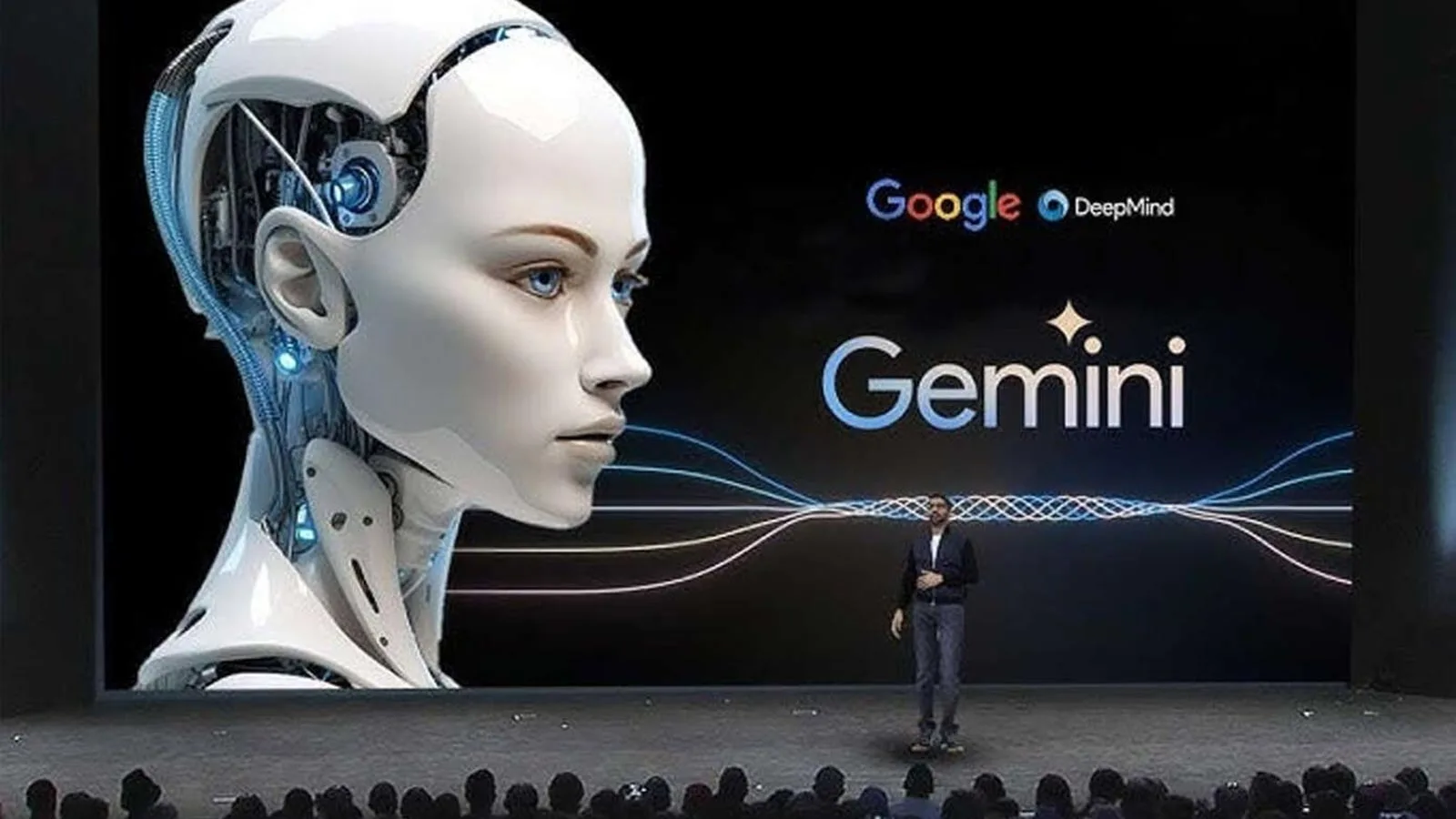
When a machine writes a clean, human-style proof for a problem that stumped top teenagers, the room changes. Google DeepMind’s advanced Gemini, running in a new “Deep Think” mode, solved five of six problems at the International Mathematical Olympiad, scoring 35 out of 42 points, a gold-medal level performance. The solutions were graded and certified by IMO coordinators, and the result landed like a wake-up call for researchers, universities, and companies that use maths as a competitive edge.

The story begins with method, not magic. Deep Think pairs longer, parallel reasoning with reinforcement learning that rewards step-by-step clarity. Instead of translating problems into a formal language and back, this version worked end-to-end in natural language inside the official 4.5 hour contest window, producing proofs graders described as clear and rigorous. For industry, that matters. Natural-language reasoning lowers the barrier for domain experts to use these systems without special tooling.

There were immediate reactions from two camps. Some mathematicians stressed that an AI’s success on contest problems is not the same as doing open, creative research. Others felt vindicated, noting how AI can accelerate exploratory work, suggest conjectures, or clean up tedious formal derivations. For business leaders, the takeaways are practical. Tools that can match or exceed elite contest performance can also speed drug discovery, financial modelling, and algorithm design. The prize is not replacing experts, it is multiplying their reach.
This milestone also crystallises new investment patterns. Firms building specialised computers, software for formal verification, and curated training datasets now find clearer market signals. Chipmakers and cloud providers will double down on low-latency, high-throughput offerings aimed at “thinking time” workloads. Venture investors will look past flashy demos to companies that can productise rigorous reasoning for regulated sectors, such as pharma, finance and aerospace. Recent coverage and industry analysis already point to surging demand for compute and labelled, high-quality problem sets.

There are thorny challenges. Certification of outputs, provenance, and standards for machine-generated proofs will have to evolve. Ethical questions follow, about credit for discoveries and about how academic competitions should respond. For startups and corporates the near-term priority is governance. Establish a human-in-the-loop, versioned auditing, and clear IP rules before you deploy a theorem-proving model in a product.

For global teams that plug into its ecosystem, the DeepMind result is a practical invitation. It says to invest in math-literate product teams, train staff to collaborate with reasoning models, and build compliance layers that make advanced AI usable in business workflows. The gold medal on a chalkboard is only the first act, what matters next is how companies turn that raw capability into reliable, auditable tools that solve real problems. If they do, the returns could be economic, scientific and transformative.