
Turned surplus unsold food into a global consumer habit
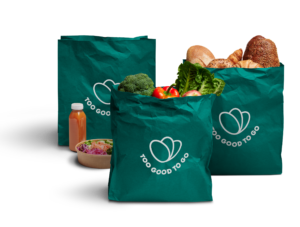
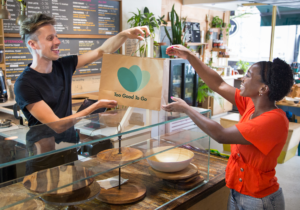
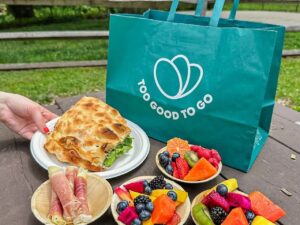
At 9 pm in Copenhagen, most bakeries are closing. A decade ago, unsold croissants went straight into the bin. Today, many end up in a brown paper bag marked “Magic Bag”, picked up by a stranger who paid a third of the price through an app. That small ritual sits at the heart of Too Good To Go, one of Europe’s fastest-rising consumer startups, built on a blunt idea: food waste is bad business.

From moral frustration to a working company
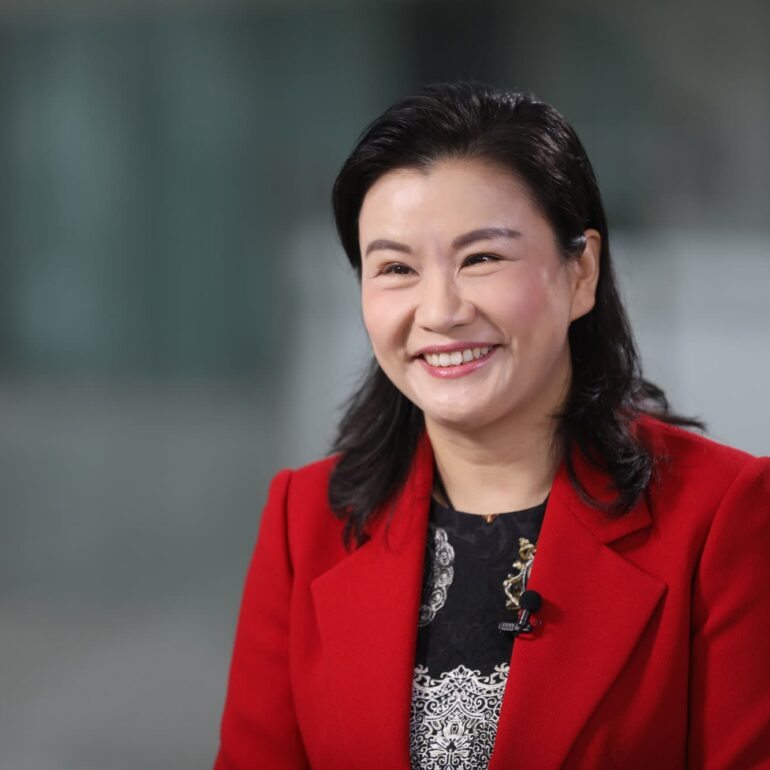
Too Good To Go began in 2015 with a simple annoyance. Founder Mette Lykke and her co-founders kept seeing good food thrown away at the end of the day. Not scraps, but full meals. The scale shocked them. Europe was wasting nearly a third of the food it produced, while restaurants ran on thin margins and consumers complained about rising prices.
The first version was painfully basic. They convinced a handful of Copenhagen cafés to sell leftover meals at closing time and manually matched buyers via early app prototypes. There was no grand vision deck. Just phones, late nights, and awkward conversations with chefs who feared brand damage if customers saw “unsold food”.
Early growth was slow. Restaurants were sceptical. Consumers were confused. The team learned quickly that this was not a sustainability pitch; it was a value pitch. Cheap food first, planet second. That insight, considered obvious now, unlocked traction.

A turning point came when the founders stopped chasing big restaurant chains and focused on small bakeries. Bakers wasted predictably every day, had loyal neighbourhood customers, and moved fast. Once the morning baker joined, the local pizzeria followed. Habits formed. The product spread city by city, not through marketing spend but through routine.
By the time venture capital showed interest, Too Good To Go already had something rare: daily usage tied to offline behaviour.
The business behind
Too Good To Go is often described as a sustainability startup. In reality, it operates like a disciplined consumer marketplace.
The core business model is simple. Restaurants list surplus food. Consumers buy at a discount. Too Good To Go takes a commission. What makes it hard is not the tech, but coordination. Supply is time-bound. Quality varies. Trust matters.

One smart decision was refusing to dictate menus. The “Magic Bag” concept removes choice anxiety and operational friction. Restaurants clear inventory fast. Users accept variability because the price justifies it. That single product decision keeps unit economics sane.

Fundraising followed traction, not promises. The company raised funds from European funds aligned with long-term regulation and ESG trends, rather than growth-at-any-cost investors. That mattered when capital tightened in 2023–24. While many consumer apps cut back, Too Good To Go kept expanding across Europe, the US, and parts of Asia.
Competition exists, but it is fragmented. Local copycats struggle with density. Large delivery platforms never made waste reduction core to their model. Too Good To Go wins by being boringly consistent.
Hiring has also been deliberate. The team prioritised operators over evangelists. Former retail managers, food industry veterans, and city-level growth leads who understood offline logistics. Tech supported the system, but it never led it.
There were near-fail moments. In early US expansion, usage lagged. American consumers expected choice, not surprise. The team adjusted messaging, leaned harder into savings, and partnered with grocery chains instead of cafés. The lesson was clear, the mission travels, but behaviour does not.

Why 2026 matters
As this moves into 2026, Too Good To Go is entering its most interesting phase. Food prices are volatile. Regulations on waste are tightening across Europe. Supermarkets are under pressure to show impact, not PR.
The company is quietly shifting from being an app to being infrastructure. New tools help large retailers forecast waste earlier in the day. B2B partnerships are growing. There is talk of subscription-style pickups and deeper integration with supply chains.

The lesson is sharp. Big outcomes do not need futuristic tech. They need timing, behavioural insight, and relentless focus on execution. Too Good To Go did not invent food waste. It made ignoring it inconvenient.
If 2015 was about awareness, and 2020 was about scale, then 2026 looks like the year unsold food stops being a side problem and becomes a regulated cost. Too Good To Go is positioning itself right where that shift will land.
Not flashy. Not loud. Just early, and ready.