For years, the office was declared dead. Then it became optional. Now, quietly but decisively, it is being reinvented.
Across New York, Singapore, Dubai and London, companies are pouring serious energy into physical spaces again. Not because they want people back at desks from nine to five, but because the workplace has become a competitive weapon. In a market where talent chooses culture over compensation and purpose over perks, the office is no longer about attendance. It is about experience.
The global business atmosphere right now is defined by caution and recalibration. Growth is slower. Hiring is more selective. Employees are rethinking what work means to them. Against this backdrop, leaders are asking a sharper question: if people are going to commute, what exactly are they commuting for?

The End of the Cubicle Era
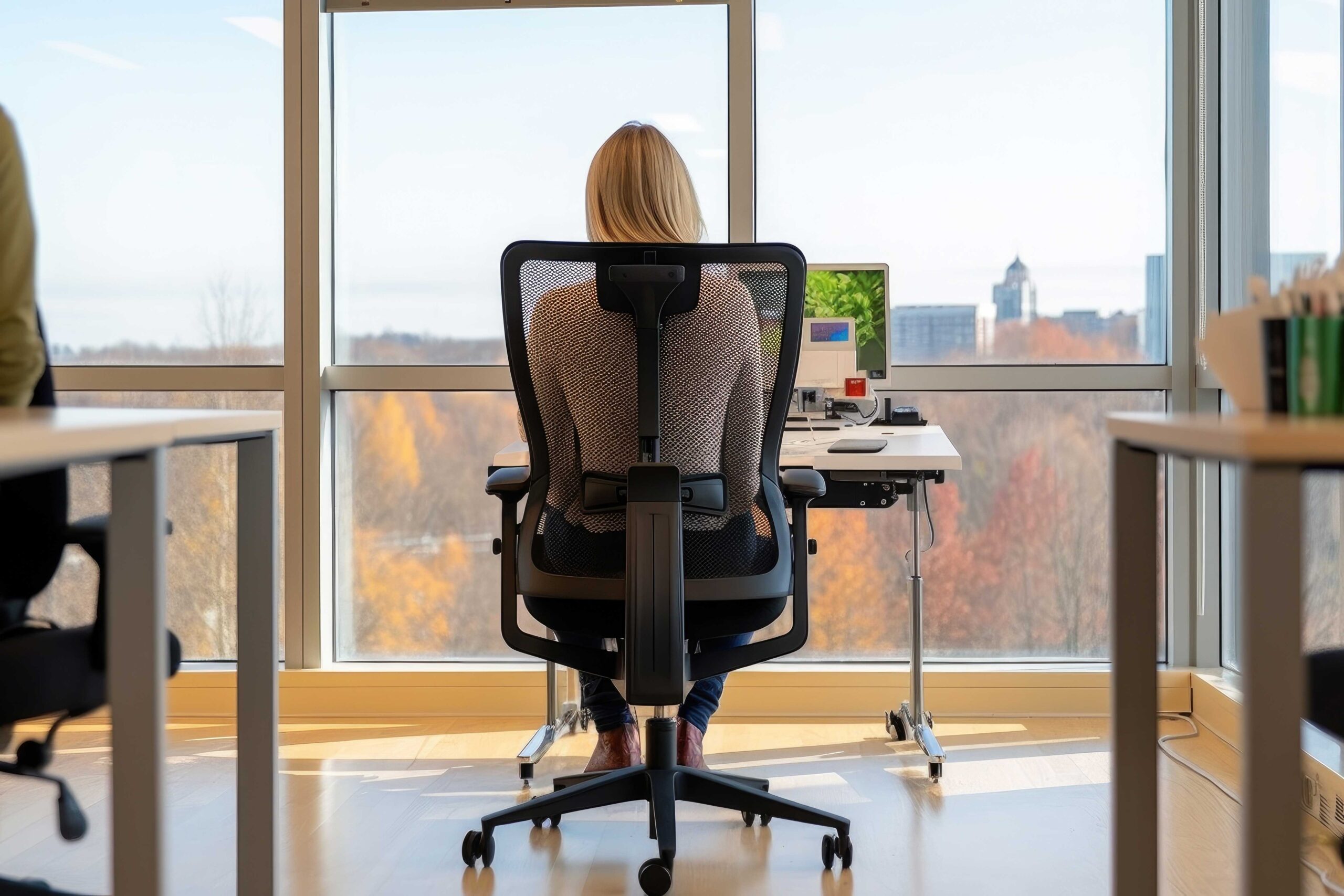
The sterile rows of desks that defined the early 2000s are fading fast. In their place, companies are building spaces that feel more like hospitality environments than corporate floors.
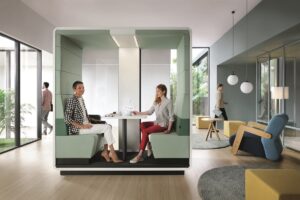
Think soft seating instead of stiff chairs. Indoor gardens and natural light instead of fluorescent panels. Modular rooms that convert from team huddles to town halls in minutes. The message is subtle but clear: this is a place to connect, not clock in.
In cities like London and Singapore, landlords report rising demand for premium, design-led offices, even as older buildings struggle with vacancies. Companies are downsizing square footage but upgrading quality. Fewer desks. More intentionality.
The office is becoming a stage for collaboration, creativity and culture. Routine tasks can happen anywhere. Energy is harder to replicate.

Experience as Strategy
The smartest firms are treating workplace design as brand strategy.
When candidates walk into an office today, they are not just assessing a job. They are evaluating lifestyle alignment. Does this space reflect flexibility? Sustainability? Inclusivity? Does it feel human?
Global players like Airbnb have leaned into this shift by designing spaces that mirror their product ethos, with rooms inspired by global destinations. Meanwhile, Unilever has doubled down on sustainability in its headquarters, integrating recycled materials and energy-efficient systems that reinforce its climate commitments.
This is not cosmetic. Employees are increasingly value-driven. A thoughtfully designed space signals that leadership pays attention to detail and well-being.
And in an era where social media amplifies everything, the office has become content. A beautiful workspace travels fast on LinkedIn and Instagram. Culture is no longer confined to internal newsletters.

The Rise of the “Third Space”
Another emerging trend is the blending of corporate and community environments.
Companies are experimenting with in-house cafés open to the public, wellness rooms that host yoga sessions, and event spaces for local creators. The idea is simple: blur the line between work and life in a way that feels enriching rather than exhausting.
In cities such as Dubai, where competition for global talent is intense, developers are embedding offices into mixed-use ecosystems that include residences, gyms and retail. The commute shrinks. The community expands.
This “third space” concept reflects a deeper reality: people want belonging. The office that wins is the one that feels less transactional and more relational.

Data Is Shaping the Blueprint
Ironically, even as companies move beyond rigid metrics for attendance, they are using sophisticated data to design better spaces. Sensor technology tracks which areas are actually used. Booking systems reveal collaboration patterns. Surveys capture sentiment in real time.
The result is iterative design. Underused boardrooms become podcast studios. Quiet zones expand when demand spikes. Cafeterias evolve into social hubs.
This is business pragmatism at its best. Instead of forcing employees into predefined structures, organisations are letting behaviour inform architecture.
A Cultural Reset
Ultimately, the office reboot is not about furniture. It is about trust.
The companies thriving in today’s climate understand that flexibility is non-negotiable. Mandates without meaning backfire. But freedom without connection leads to drift.
The redesigned office sits in the middle. It offers a reason to gather, without demanding constant presence. It encourages spontaneous conversations that spark ideas, while respecting autonomy.
As the global economy navigates uncertainty, one thing is becoming clear: culture is the new infrastructure. Technology can be copied. Products can be imitated. But a workplace that genuinely energises people is harder to replicate.
The future of business may be hybrid, distributed and digital. Yet the physical space still matters, perhaps more than ever. Not as a requirement, but as a magnet.
The companies that get this right are not dragging employees back to work. They are giving them something worth showing up for.