In early 2024, a short demo quietly changed how many founders think about artificial intelligence. On screen, an AI opened a laptop, read a GitHub issue, explored a codebase, fixed bugs across files, ran tests, failed, tried again, and finally shipped clean code. No step-by-step prompts. No human nudging. Just execution.
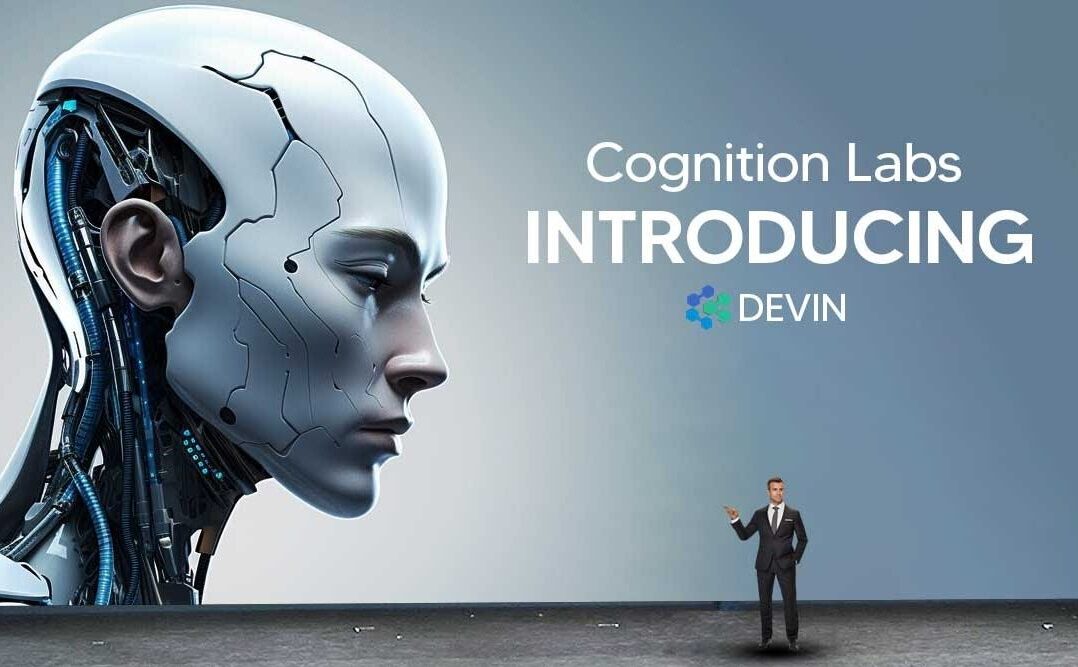
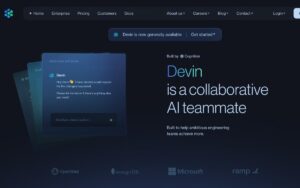
The product was Devin, built by a San Francisco startup called Cognition Labs. Many dismissed it as hype. Builders didn’t. This was not another chatbot or coding assistant. This looked like the first real AI worker.
By 2026, tools like Devin could reshape how software teams are built.

A Frustration That Sparked a New Kind of AI
Cognition Labs was founded by a small group of elite programmers and AI researchers, led by Scott Wu, a former competitive coding prodigy. They shared a simple frustration. AI could write code snippets, but real engineering is more than that. It involves messy context, long debugging cycles, failed tests, and decisions spread across hours or days.
Early versions of Devin struggled. It got stuck in loops. It misunderstood error logs. Sometimes it broke working systems with full confidence. Progress came when the team stopped treating the model like a smart autocomplete tool and started treating it like a junior engineer.
They gave it tools, memory, a full development environment, and the ability to plan, pause, reflect, and retry. One internal test changed everything. Devin was assigned a real open-source bug. It took almost an hour, made mistakes, corrected itself, and eventually fixed the issue end to end. That was the moment Cognition realised they were building something bigger than a demo.

Not a Chatbot. A Doer.
Devin works because it is not limited to answering questions. It can read documentation, search the web, edit files, run code, interpret results, and change direction based on what happens. In simple terms, it has hands on the keyboard and enough judgment to keep going.
This shift is critical. Most AI tools assist humans. Devin owns tasks. That makes it useful for maintaining old codebases, fixing production bugs, and even building early product versions overnight.
What This Unlocks
For startups, the impact is immediate. Smaller teams can ship faster. Non-technical founders can build real products. Early-stage companies can delay hiring without slowing down.
New business models emerge from this. Solo founders running serious SaaS products. AI-first development agencies. In-house teams where humans focus on architecture and decisions, while AI handles execution.
Cognition’s pricing hints at the future too. You are not paying for a seat. You are paying for work done. Software starts to feel less like a tool and more like a worker.

This Is Not Just Another Copilot
Coding copilots suggest. Devin decides. It chooses what to work on next, when to test, and when to rethink its approach. Many competitors are chasing agentic AI, from big labs to open-source communities, but Cognition’s advantage is focus.
They are not trying to solve everything. They are obsessed with one outcome: shipping software reliably. Early users say Devin sometimes catches edge-case bugs humans miss. Other times, it makes rookie mistakes. What matters is that it learns through attempts, like a real engineer.
The Risks Everyone Is Watching
This shift is not friction-free. Security teams worry about giving AI access to core systems. Engineers worry about trust and accountability. Regulators are beginning to ask who is responsible when autonomous systems ship faulty code.
Cognition’s approach is grounded. Clear logs. Human approvals where needed. Limits on what the AI can touch. The lesson for founders is clear. Autonomy without control will not scale.

2026 – The Moment That Matters
By 2026, agentic AI is likely to move from curiosity to core infrastructure. As models improve and costs fall, the real challenge becomes orchestration, safety, and trust.
Devin matters because it shows what happens when AI is built to act, not just respond. For builders, the signal is sharp. The next generation of AI companies will not sell intelligence. They will sell labour.
When software can work while you sleep, the idea of a team changes forever. The first AI employee has already started. The rest are coming fast.