
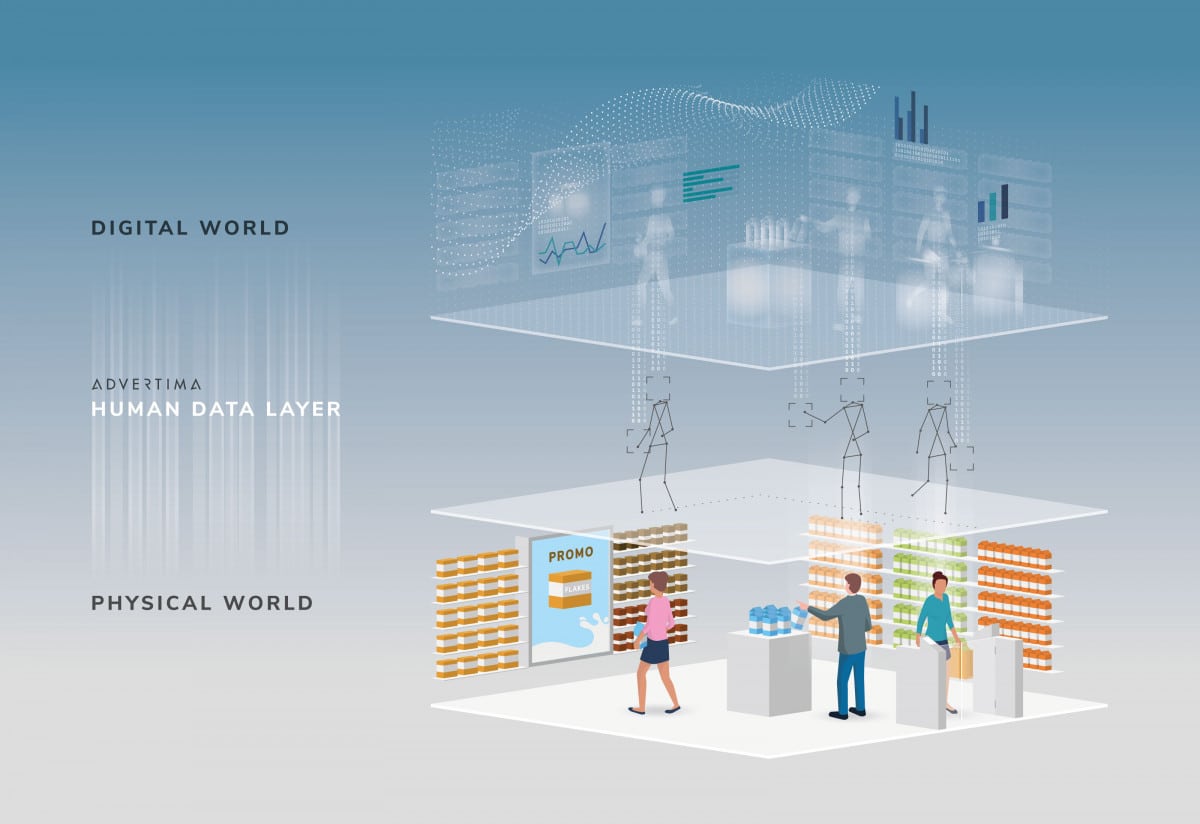
Physical Spaces Are Becoming the Boldest Bet in a Digital World
For the last decade, the narrative was clear. Digital wins. Physical retail shrinks. Offices fade. Events move online.
Then something unexpected happened. People came back.
Across cities like Seoul, Milan, Dubai and Los Angeles, businesses are investing heavily in physical experiences again. Flagship stores are getting bigger, not smaller. Brands are launching immersive pop ups. Hospitality spaces are blending retail, food, art, and community under one roof.
This is not nostalgia. It is strategy.
Welcome to the second wave of the experience economy.

From Transactions to Immersion
Consumers can buy almost anything online. Convenience is solved. What is not solved is emotion.
That gap is where companies are now competing.
Retailers are redesigning stores as social spaces. Beauty brands host workshops. Sportswear labels organize community runs. Luxury houses build exhibition style flagships that feel more like galleries than shops.
Even digitally native brands are opening physical spaces. Companies that started online are discovering that real world presence builds credibility and cultural relevance in ways a website cannot.
Physical environments create memory. Memory creates loyalty.

Hospitality Becomes a Branding Tool
The line between retail, hospitality, and entertainment is dissolving.
High end coffee chains design spaces that double as work hubs. Fashion houses are launching branded cafés. Auto companies are creating lifestyle studios where visitors can test products while attending talks and art installations.
Consider how brands like Nike have transformed stores into interactive arenas, complete with customization labs and training zones. Or how LVMH invests in architecturally ambitious flagships that function as cultural landmarks.
These spaces are not optimized for quick transactions. They are designed for dwell time. The longer customers stay, the deeper the connection.

The Rise of Community Capital
In a world saturated with content, community is becoming a competitive moat.
Businesses are realizing that owning a space where people gather is powerful. It allows brands to host events, build networks, and foster belonging. This is especially relevant for younger consumers who value experiences over accumulation.
Coworking operators, boutique fitness studios, and independent bookstores are leaning into this dynamic. They are not just selling access or products. They are selling participation.
Physical presence also strengthens local credibility. In emerging markets across Southeast Asia and the Middle East, brands are tailoring spaces to reflect regional identity rather than exporting a uniform global template.
Localization inside a physical space feels authentic. Online, it often feels cosmetic.
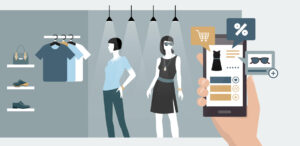
Data Meets Design
This resurgence of physical space is not a rejection of technology. It is a fusion.
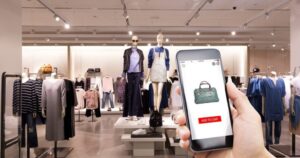
Foot traffic analytics, membership apps, and integrated loyalty programs allow companies to connect in store behavior with digital ecosystems. Customers browse online, experience in person, and purchase across both channels seamlessly.
Smart design now blends architecture, behavioral psychology, and digital infrastructure. Lighting, layout, sound, and scent are curated intentionally.
The goal is not just to sell a product. It is to engineer a moment.

Real Estate as Strategy, Not Overhead
For years, corporate real estate was seen as a cost center. Now, for many brands, it is a strategic asset.
Prime locations signal ambition. Flagships in iconic districts act as marketing platforms. A well designed store in a high visibility area can generate more social media exposure than a paid campaign.
Luxury and lifestyle brands are particularly aggressive in this approach. They view physical presence as brand theatre.
At the same time, smaller companies are experimenting with short term leases and pop up formats to test markets without long commitments. Flexibility has become as important as location.
Offices Reimagined
The experience economy extends beyond retail.
Corporate offices are being redesigned to justify commuting. Companies are investing in collaborative layouts, wellness zones, and hospitality style amenities. The office is becoming a destination rather than an obligation.
This shift reflects a broader truth. If people can work, shop, and socialize digitally, physical spaces must offer something extra.
Energy. Atmosphere. Serendipity.

Why This Matters Now
The current global business climate is defined by digital saturation. Consumers scroll constantly. Employees attend virtual meetings all day. Entertainment streams endlessly.
Paradoxically, this saturation has made tangible experiences more valuable.
Physical spaces offer scarcity in an age of infinite content. They create moments that cannot be screenshotted fully or replicated remotely.
For businesses, this translates into pricing power and brand resilience. A customer who has attended a workshop, met a founder, or customized a product in person is less price sensitive than one who simply clicked “add to cart.”
The Competitive Edge
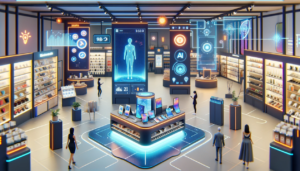
The companies that will win this decade are not choosing between digital and physical. They are orchestrating both.
Digital drives reach. Physical drives depth.
The smartest operators are building ecosystems where online platforms amplify real world events, and real world spaces feed digital communities.
In the current atmosphere, experience is no longer a soft concept. It is measurable, strategic, and increasingly central to growth.
After years of predicting the decline of brick and mortar, the market has delivered a twist.
The future of business is not less physical.
It is more intentional.


