
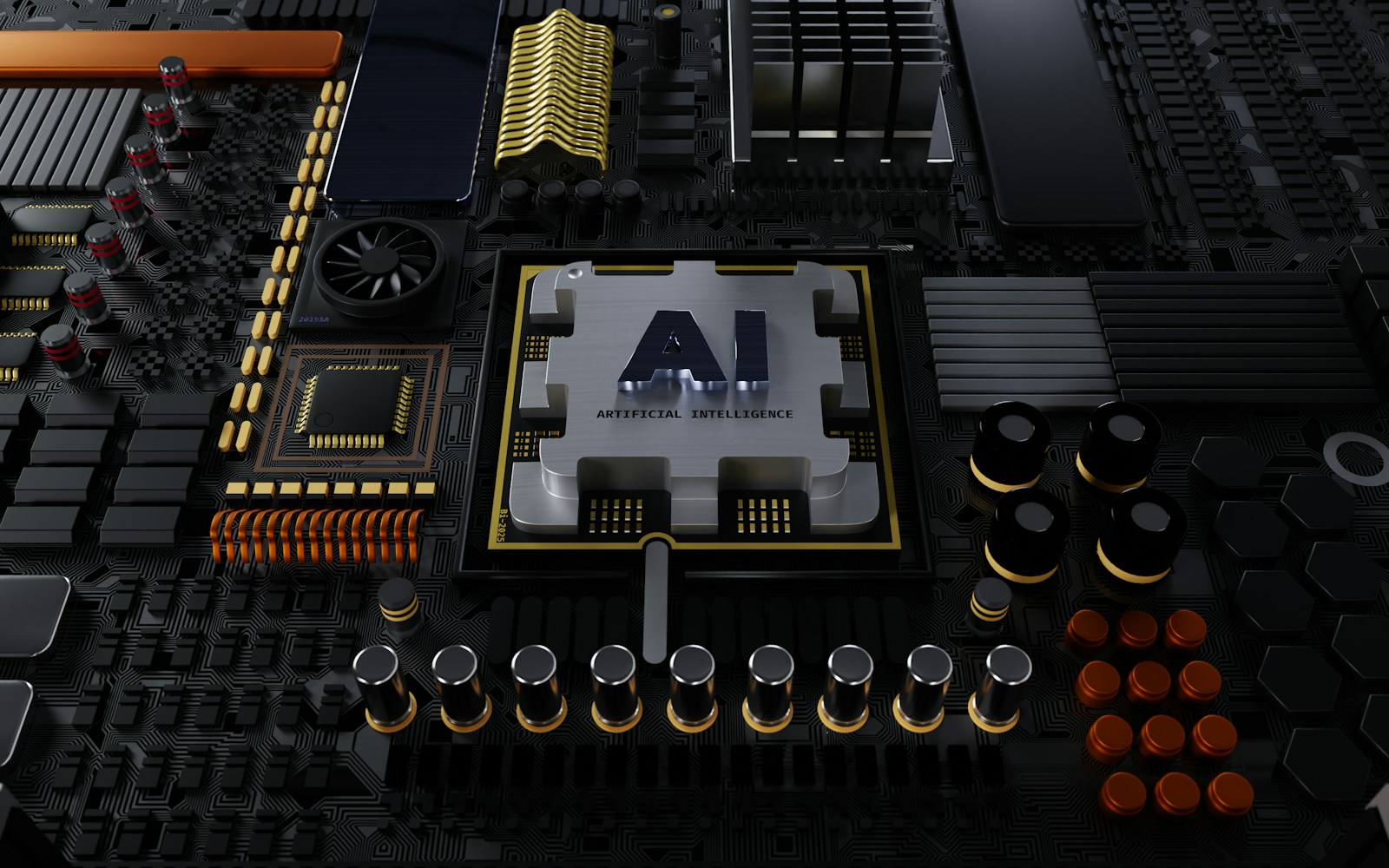
Silicon used to be boring. A component. A line item. Something engineers worried about, not finance ministers.
In 2025, semiconductors sit at the center of global power.
Every smartphone, car, missile system, data center, and AI workload depends on chips. Whoever controls them controls speed, security, and economic leverage. That reality has turned supply chains into battlegrounds and factories into strategic assets.
This is not a tech story anymore. It’s a geopolitical one.

Chips Became the New Oil
Oil defined the 20th century. Chips are defining the 21st.
Modern economies don’t just run on energy, they run on computation. AI workloads, cloud services, autonomous systems, and advanced manufacturing all scale only if chips are available, affordable, and secure.
When COVID exposed semiconductor fragility, governments understood the risk. When geopolitical tensions escalated, they understood the stakes.
From that moment on, chips stopped being neutral.
The US Is Building Walls With Subsidies
The United States decided it could no longer depend on East Asian supply chains for critical technology.
The CHIPS and Science Act wasn’t just an industrial policy move. It was economic defense. Tens of billions of dollars are now flowing into domestic fabrication plants, advanced packaging, and R&D.
But this reshoring comes at a cost. US-made chips are more expensive. Talent is scarce. Timelines are long.
The bet is simple. Pay more now to avoid strategic vulnerability later.
Markets are watching closely to see whether security can truly replace efficiency.

China Is Playing the Long Game
China’s response hasn’t been loud. It’s been patient.
Instead of chasing the most advanced nodes, China is building strength across mature chips, manufacturing equipment alternatives, and massive domestic demand. These chips may not power cutting-edge AI models, but they run factories, cars, appliances, and infrastructure.
That scale matters.
The global economy doesn’t run only on the most advanced chips. It runs on millions of “good enough” ones. China knows this.
Taiwan Remains the Most Important Place on Earth
No exaggeration.
Taiwan manufactures the majority of the world’s advanced semiconductors. Its fabs are irreplaceable in the short and medium term. Any disruption there would ripple instantly through global markets.
This is why geopolitical tension around Taiwan triggers reactions far beyond diplomacy. Markets don’t just fear conflict. They fear interruption.
Every government policy around chips quietly assumes one thing. Taiwan must stay stable.

Europe Wants Sovereignty, Not Dominance
Europe’s chip strategy looks different.
Instead of trying to win the cutting-edge race outright, European policy focuses on resilience, automotive chips, industrial semiconductors, and supply chain balance.
It’s less about supremacy and more about not being hostage to external shocks.
This pragmatic approach reflects Europe’s broader economic philosophy. Stability over spectacle.
Businesses Are Rewriting Risk Models
For companies, the chip war has changed procurement forever.
Single-source suppliers are out. Long-term contracts are back. Inventory buffers are rising. Geographic diversification is now a board-level conversation.
Electronics, automotive, defense, and even consumer goods companies are factoring geopolitical risk into product timelines.
A missing chip can delay billions in revenue. That’s not a supply issue. That’s a strategic one.

Innovation Is Slowing, But Security Is Rising
One uncomfortable truth is emerging.
Fragmented supply chains reduce efficiency. Export controls slow collaboration. Parallel ecosystems increase costs.
Innovation thrives on openness. Security thrives on control.
The world is choosing control.
This doesn’t kill innovation, but it reshapes it. Progress becomes slower, more regional, more expensive, and more politicized.

The Bigger Business Signal
Semiconductors reveal a larger shift in the global business atmosphere.
Efficiency is no longer the highest goal. Resilience is.
Free trade is being replaced by friendly trade. Globalisation is being replaced by blocs. Technology is being weaponised, quietly and methodically.
Chips are just the clearest example.
Final Thought
The chip war won’t end with a winner and a loser. It will end with a new normal.
One where supply chains are political.
One where factories are strategic assets.
One where technology decisions carry diplomatic consequences.
In 2025, silicon isn’t just powering devices.
It’s shaping the balance of the global economy.