Solid-state batteries are the quiet breakthrough shaping gadgets in 2026
By 2026, the most important upgrade in your phone, laptop, earbuds or wearable will not be the camera, the chip or the screen. It will be invisible. It will sit quietly under the casing and change how long your device lasts, how fast it charges, and how safe it feels in your hand.
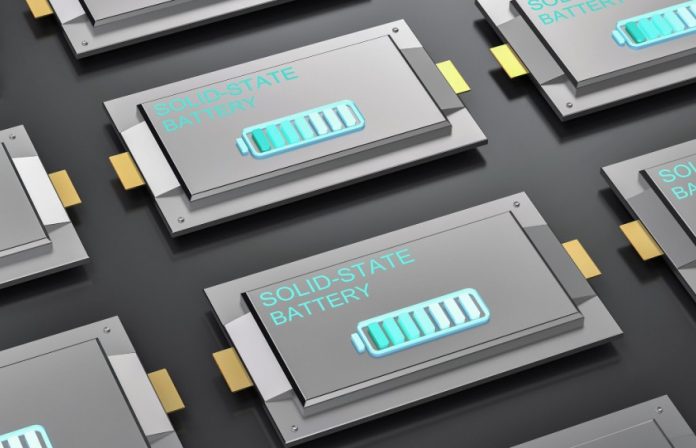
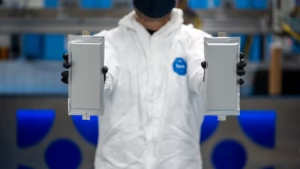
Solid-state batteries are moving out of research labs and into real products. Not as hype. As hardware.
How solid-state batteries broke out of the lab
For decades, lithium-ion batteries ruled everything. Phones, laptops, drones, power banks. They were good enough, cheap enough, and improving just fast enough to avoid replacement. But they came with limits everyone learned to live with, slow degradation, fire risks, bulky safety layers, and charging anxiety baked into daily life. The push for solid-state batteries did not start as a consumer dream. It started as a safety problem.
Engineers working across automotive and electronics companies kept running into the same wall. Liquid electrolytes inside lithium-ion cells were unstable under heat, pressure and fast charging. Every thin phone, every faster charger increases the risk. Fires in phones, laptops and even aeroplanes were warning signs the industry could not ignore. The early solid-state idea was simple on paper. Replace the flammable liquid electrolyte with a solid material. In reality, it was brutal to execute.
Researchers began combining ceramic and polymer electrolytes, creating hybrid solids that were both stable and flexible. At the same time, advances in precision manufacturing made it possible to produce ultra-thin solid layers without microscopic defects. Companies like Samsung and Toyota kept funding long-term programs even when timelines slipped. Inside labs, teams stopped chasing perfect performance and focused on manufacturable performance. Slightly lower energy density was acceptable if the battery could survive real-world abuse.
Prototype devices stopped being fragile demos. They survived drops. They charged fast. They aged predictably. That was the moment solid-state batteries stopped being a science project and started becoming a product strategy.

What should learn from this shift
The tech, explained simply
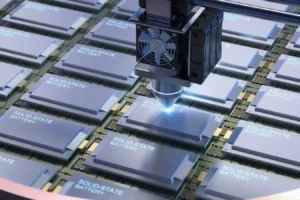
A solid-state battery replaces the liquid electrolyte with a solid material that conducts ions. This removes the main fire risk, allows tighter internal design, and enables higher energy density over time. Fewer safety layers mean more usable space inside the device.
For product builders, this is not just a battery change. It is a design unlock.
What changes in real gadgets
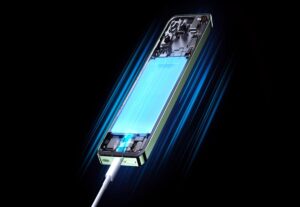
Expect thinner phones that actually last longer. Wearables that run for days, not hours. Laptops that degrade more slowly over five years instead of two. Faster charging without heat anxiety.
For hardware startups, battery reliability becomes a competitive advantage, not a compromise.

New business models it unlocks
Longer battery life enables subscription hardware models. Devices that are leased, upgraded, and resold. It also strengthens the refurbished electronics market because batteries no longer die first.
For enterprise devices, think industrial handhelds, medical tools, and field equipment; longer life reduces service contracts and downtime.
Capital and scaling realities
Solid-state batteries are capital-intensive. Manufacturing requires precision equipment, clean environments, and long validation cycles. This favours partnerships over solo scale-ups. Founders should think ecosystem-first, not factory-first.
The winning startups are building materials, processes, or integration layers, not entire battery plants.
Adoption hurdles to watch
Cost remains higher than lithium-ion. Early adoption will appear in premium devices first. Consumer trust will also take time. Batteries fail silently, so brands must educate without overpromising.
Competitive dynamics
Big incumbents will dominate volume early. Startups win by specialising, flexible form factors, faster charging chemistries, extreme safety certifications.

Regulatory tailwinds
Governments are tightening safety standards for batteries in transport and consumer electronics. Solid-state tech aligns naturally with these rules, creating quiet regulatory momentum.
Why this matters for 2026 and beyond
Solid-state batteries are not flashy. They do not demo well on stage. But they reshape everything built on top of them.
In 2026, the world is looking forward to devices that last longer, waste less, and feel safer. This innovation answers all three without asking users to change behaviour.
For founders, the lesson is clear. The biggest shifts often come from boring problems solved deeply. Not new features, but new foundations.
The battery is finally growing up. And the future of gadgets is growing with it.