
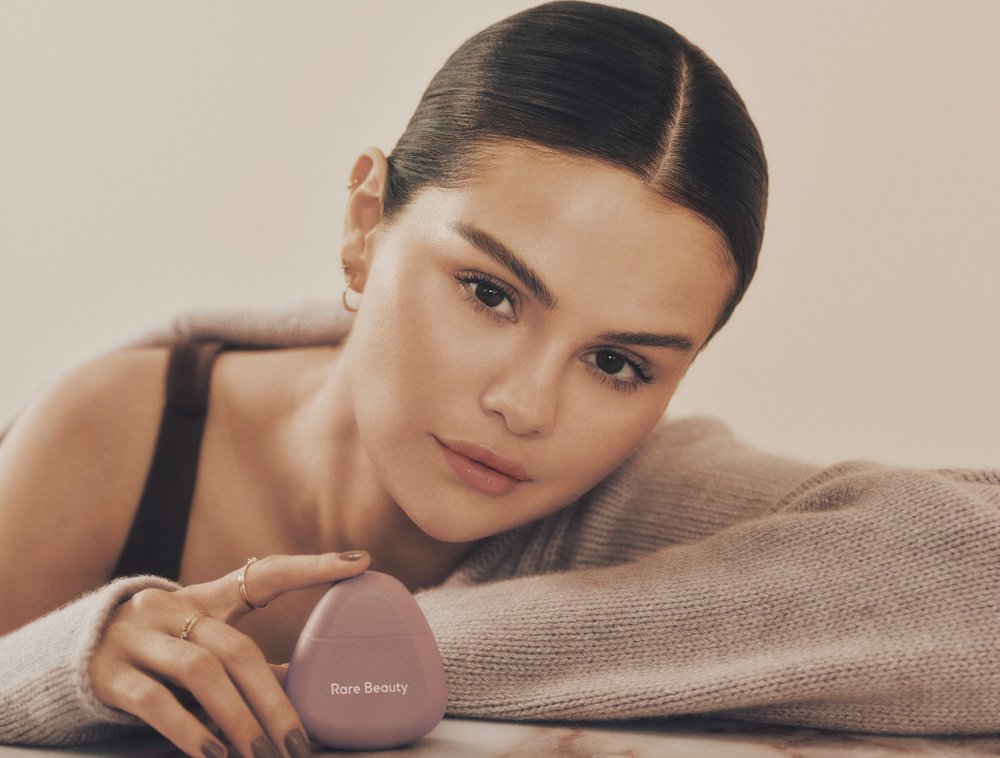
On a quiet afternoon in 2019, Selena Gomez was sitting in a small conference room in Los Angeles, staring at mood boards that looked nothing like the typical celebrity beauty brand. No hyper-glam, no airbrushed perfection. Instead, there were sketches of imperfect blush swatches and handwritten lines about self-worth. It was the moment she realised she didn’t just want to attach her name to a product, she wanted to build a company that could stand without her. That clarity, born from years of public scrutiny and private battles, became the seed for Rare Beauty, now one of the most influential creator-led brands in the world.
Selena’s path to business influence looks smooth from the outside, but the story is more layered, more human, and far more instructive for founders navigating noisy markets.
The Making of a Celebrity-Founder
Selena grew up in Texas, raised by a young single mother who was a theatre actor. Those early years shaped her curiosity and resilience. Money was tight, dreams were big, and setbacks were normal. When Selena started working in television as a child, she wasn’t pushed into fame so much as invited into a world where creativity felt like oxygen.
Her big break came with Disney’s Wizards of Waverly Place, a hit that made her globally recognisable by her mid-teens. Fame arrived fast, and so did the weight of it. Every mistake felt public. Every insecurity echoed back at her through tabloids and social media. These experiences, painful at times, sharpened her understanding of audiences, storytelling and emotional connection. They later became the backbone of her business instincts.
But before she became a founder, she hit several personal walls. Health issues, mental health struggles and public break-ups made her step back from the traditional celebrity track. Instead of doubling down on constant visibility, she did something counterintuitive. She slowed down. She rebuilt. She started paying attention to what people trusted her for: authenticity, vulnerability and honesty, not perfection.
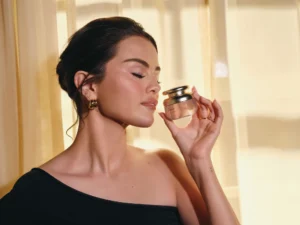
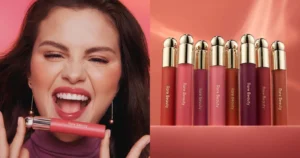
Rare Beauty didn’t begin as a branding exercise. It began as a personal thesis: what if a beauty brand didn’t sell insecurity but acceptance? That idea resonated with her team and later with millions of consumers. When she launched Rare Beauty in 2020, critics expected another celebrity vanity play. Instead, Selena delivered a company rooted in community, mental health advocacy and everyday usability. Her celebrity status helped with visibility, but the brand grew because the product philosophy felt real.
Rare Beauty became profitable within its first full year, something almost unheard of for a new beauty label, and it cracked the code for how a celebrity can lead without overshadowing the product.
What Can Learn From Selena Gomez’s Business Journey
Selena’s business arc is a masterclass in how to convert trust, storytelling and lived experience into a durable strategy. Her rise offers founders several sharp lessons.

1. Build from personal truth, not persona
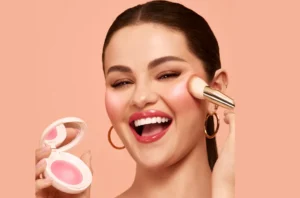
Selena never tried to mimic the big luxury brands. She did the opposite. She doubled down on accessibility, soft textures, inclusive shades and price points that felt democratic. The brand’s messaging leaned on vulnerability. In a market where consumers detect inauthenticity instantly, this differentiated Rare Beauty is without heavy spending.
Your real story is a moat. Lean into what only you can say.
2. Let the product stand independently
Rare Beauty could have survived as a hype-driven, influencer-heavy launch. Instead, Selena hired experienced operators from the beauty industry. She invested in R&D, rigorous shade testing, high-quality packaging and manufacturing. Her goal was simple: build something that gets repurchased without any celebrity reminder. That discipline made the brand sticky.
Star power can drive visibility, but only product quality drives retention.
3. Use celebrity influence as a strategic amplifier
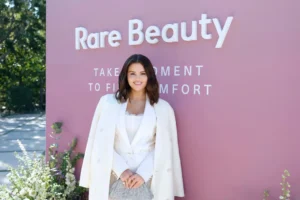
Selena’s public image helped the brand reach global audiences fast. But she used it with intent. She shared behind-the-scenes building moments, not promotional fluff. She tied the brand to the Rare Impact Fund, pledging to invest millions into mental health programmes. She turned fandom into a community, not a marketing channel.
Influence works best when used to deepen trust, not manipulate it.
4. Scale with clarity, not chaos
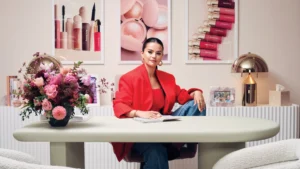
Many celebrity brands chase quick categories and shotgun expansions. Selena refused that path. Rare Beauty did not launch perfumes, haircare or dozens of limited collections within its first years. It focused. The company expanded internationally only when supply chains were stable, and product reviews were consistently strong.
Tempo matters. Scaling too fast can be more dangerous than scaling too slow.
5. Treat setbacks as signals
Selena faced heavy skepticism from analysts who assumed Rare Beauty would fade after the initial hype. She also battled personal health challenges that paused her participation at times. Instead of seeing these as threats, the team redesigned workflows. Operational leaders handled execution. Selena focused on brand strategy and cultural alignment.
Systems should allow the founder to step back without collapsing the company.

6. Champion culture and teams that challenge you
Selena surrounded herself with experts who understood beauty better than she did. She listened more than she spoke. She empowered product scientists, supply chain leads and marketing heads to experiment. This built internal stability and encouraged innovation without ego.
Founders who hire for competence over comfort create long-term advantage.
The Road Ahead
Selena Gomez has become one of the clearest examples of how celebrity and entrepreneurship can coexist without one cheapening the other. Rare Beauty’s growth signals a shift in the market. Consumers no longer buy celebrities, they buy alignment, values and emotional truth. For business leaders, her journey shows what the next decade of celebrity-led enterprises might look like, rooted in community, authenticity and disciplined building.
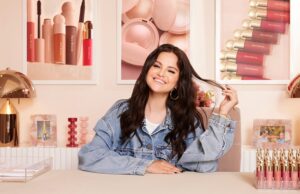
If the first half of her career made her a star, the second half is shaping her into a brand architect with staying power. And for founders navigating uncertain markets, her path offers a grounded, human reminder, trust is the ultimate currency.