
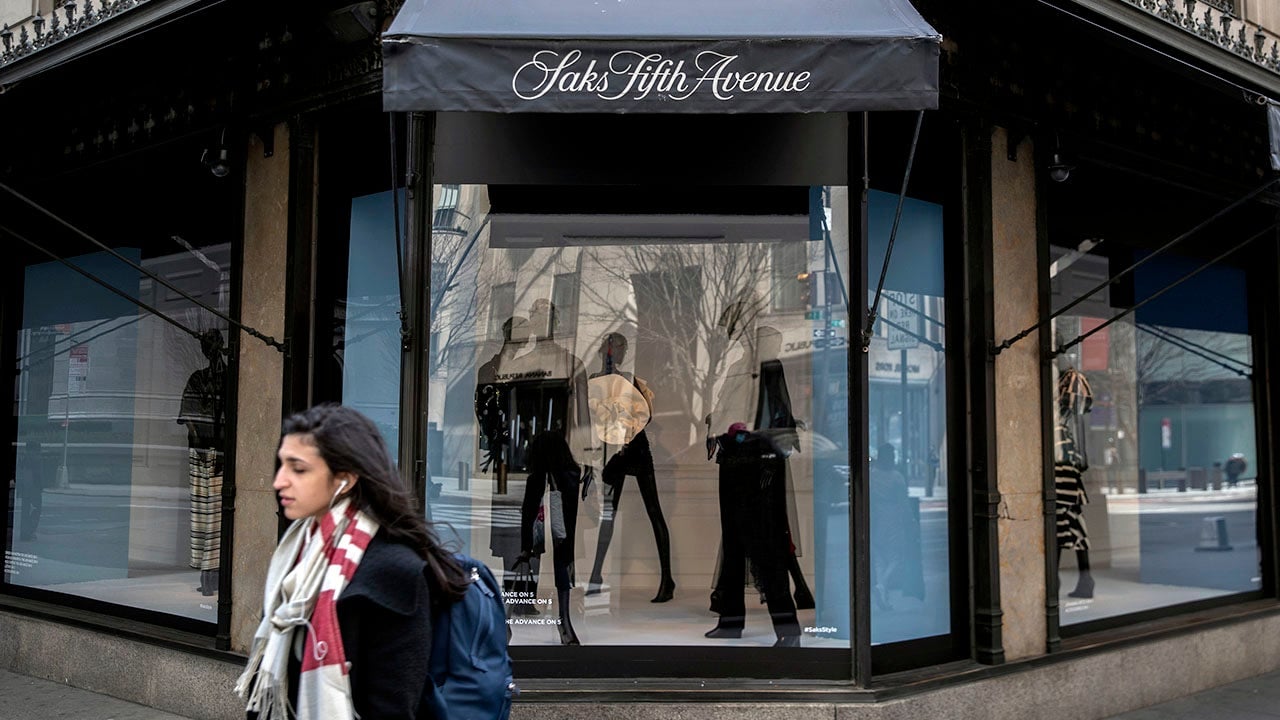
Saks Global’s prime real estate portfolio could serve as a crucial bargaining chip with lenders as the hard-hit luxury shopping empire navigates its restructuring after filing for bankruptcy. The upmarket U.S. department store conglomerate filed for Chapter 11 bankruptcy protection late on Tuesday, barely a year after a debt-laden takeover intended to create a luxury powerhouse by bringing Saks Fifth Avenue, Bergdorf Goodman and Neiman Marcus under the same roof.
While Saks Global secured a $1.75 billion financing package to help keep operations running through the bankruptcy process, questions remain on whether the owner of some of the best-known U.S. luxury chains can get back in the saddle. Shutting down underperforming retail space could be a key strategy to ensure the business survives, said Brandon Isner, head of U.S. retail research at New York-based real estate advisory firm Newmark. “One of the ways to monetize its portfolio would be through the sale-leaseback option, where Saks could sell its assets to an investor and lease them back to continue making money on the asset, providing it with liquidity and allowing it to keep things running at its stores,” said Matt Weko, division president of consumer goods and services at real estate investment adviser JLL Capital Markets.
Saks Global operates about 125 stores spanning about 13 million square feet (1.2 million square meters) in the U.S., and owns or controls ground leases at 39 of them, according to its court filing. Its retail empire consists of prime locations on high streets such as Fifth Avenue in Manhattan and luxury corridors in Beverly Hills, California, as well as top‑tier malls like Bal Harbour Shops in Florida, where Saks and Neiman Marcus banners anchor high‑end tenant mixes. Saks’ flagship Fifth Avenue store is not included in the bankruptcy, according to the filing. Global leases the site from a separate entity, which has a $1.25 billion mortgage on it and is not among the debtors.