From Leading Man to Leverage
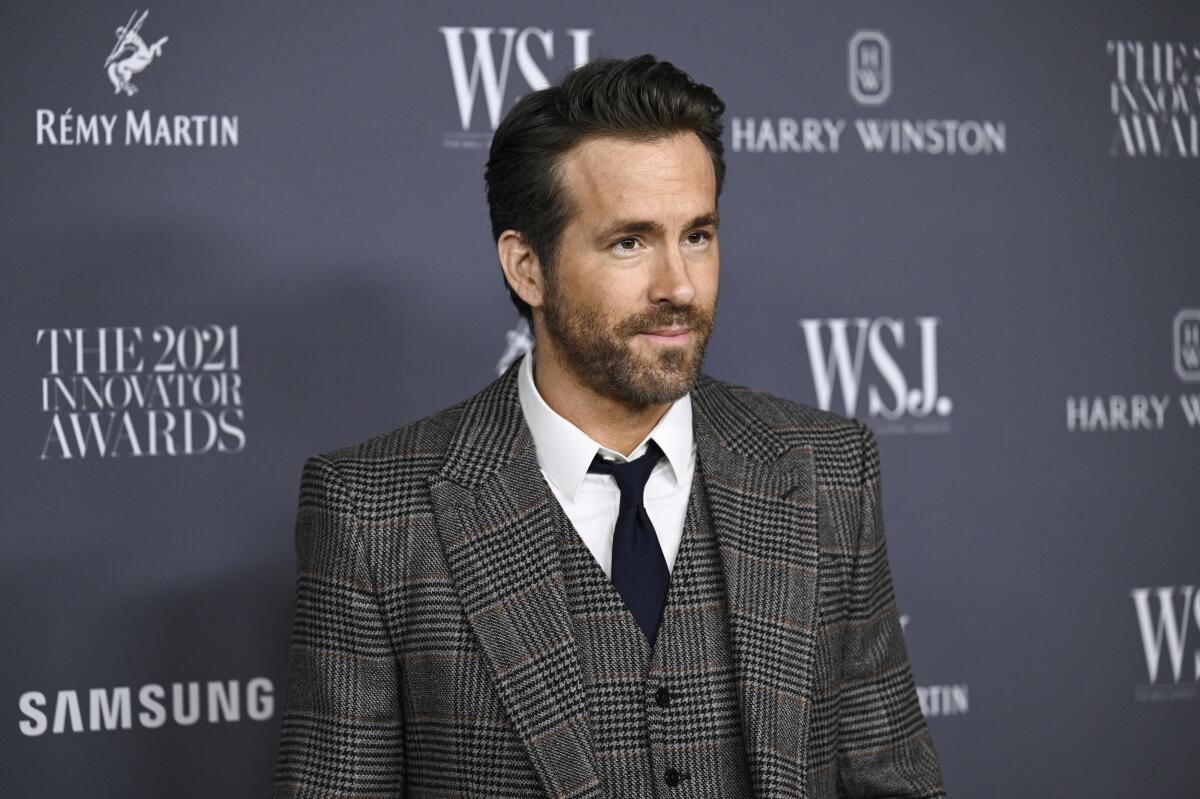
Ryan Reynolds did not set out to become a business case study. For years, he was the almost-guy in Hollywood, always visible, rarely essential. Early roles came and went, box office hits were inconsistent, and by his late thirties, he had lived through enough near-misses to understand a hard truth: fame without control is fragile.
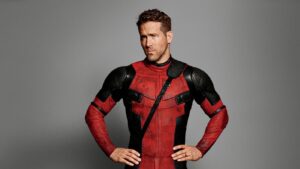
The turning point was not Deadpool itself, but what Deadpool represented. Reynolds fought for years to get the film made, accepted risk others avoided, and leaned into a self-aware persona that blurred the line between character and person. When the movie worked, it did not just revive his acting career. It gave him something more valuable, cultural permission to sound like himself in public.
Instead of chasing more studio-led projects, Reynolds began building leverage around his voice. He bought a minority stake in Aviation Gin in 2018, not as a passive celebrity face, but as a hands-on operator. He wrote ads, approved scripts, shaped tone, and treated marketing as product. When Diageo acquired Aviation Gin in a deal valued at up to $610 million, Reynolds did not celebrate the exit loudly. He studied what worked.
From there came Mint Mobile, Maximum Effort, and a pattern that now defines his public-business identity. Reynolds stopped selling attention and started compounding it. The jokes stayed. The strategy sharpened.
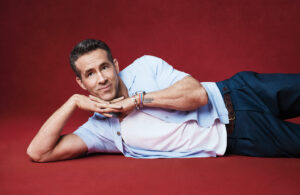
From Reynolds’ Playbook
1. Celebrity as distribution, not decoration
Most celebrity brands fail because fame is used as a sticker, not infrastructure. Reynolds treats his visibility as a media channel. Mint Mobile’s early growth did not come from massive ad budgets. It came from Reynolds acting as the brand’s chief storyteller. He explained pricing simply, mocked telecom complexity, and earned trust by sounding like a consumer, not a spokesperson.
For founders, the lesson is clear. Distribution beats Polish. If you have a channel, social, email, community, or founder brand, use it deeply. Do not outsource your voice too early.
2. Marketing is not an expense. It is the product
Reynolds’ biggest insight is that in crowded markets, marketing becomes the differentiator. Aviation Gin did not taste radically different. Mint Mobile did not invent mobile networks. What they changed was how people felt about buying.
Through Maximum Effort, Reynolds built an in-house creative engine that moves faster than agencies and understands internet culture instinctively. Ads drop at the speed of memes. Messaging adapts in real time. For founders navigating noisy digital markets, this is a reminder that speed and relevance matter more than perfection.
3. Choose boring businesses with broken trust
Reynolds consistently invests in categories people dislike dealing with. Alcohol brands feel fake. Telecom feels exploitative. Football clubs feel distant. He enters spaces where trust is low and simplifies the story.
Mint Mobile’s promise was not innovation. It was honesty. Fewer plans, lower prices, no nonsense. Founders often chase sexy markets. Reynolds chases friction.
4. Minority stakes, majority influence
Reynolds rarely builds from scratch. He buys meaningful minority stakes with operational involvement. This reduces capital risk while preserving upside. It also lets him walk away if the culture breaks.
For entrepreneurs, especially operators with strong skills but limited capital, this model matters. Ownership is not binary. Influence plus alignment can outperform control without scale.
5. Crisis response through humour and speed
When Mint Mobile faced regulatory changes or internet backlash, the response was fast, human and self-aware. Reynolds does not hide from criticism. He disarms it. In a world where founders are scrutinised in public, tone becomes a leadership tool.
6. Reinvention without losing identity
Reynolds has reinvented himself multiple times without confusing his audience. Actor. Marketer. Investor. Club owner at Wrexham. The common thread is curiosity and humility. He does not pretend expertise. He learns publicly.
This matters in 2026, when founders will be forced to adapt faster than ever. Identity should be stable. Roles can change.
What the World Is Watching
In 2026, Reynolds’ next phase will likely move beyond consumer brands into media-powered platforms. Maximum Effort is evolving into a scalable content and brand engine. Expect deeper moves into global storytelling, possibly acquisitions where culture is broken, but attention can fix it.
There is also growing interest in how Reynolds uses long-term community building, whether through sports, digital fandoms, or participatory brands. The future of celebrity-led business is not endorsements. It is ecosystems.
Ryan Reynolds signals something important for founders. In the next decade, attention will be the scarcest resource. Those who learn to use it honestly, creatively and with restraint will win. The joke, as Reynolds understands, is never the point. Control is.