A Humble Start, A Big Imagination
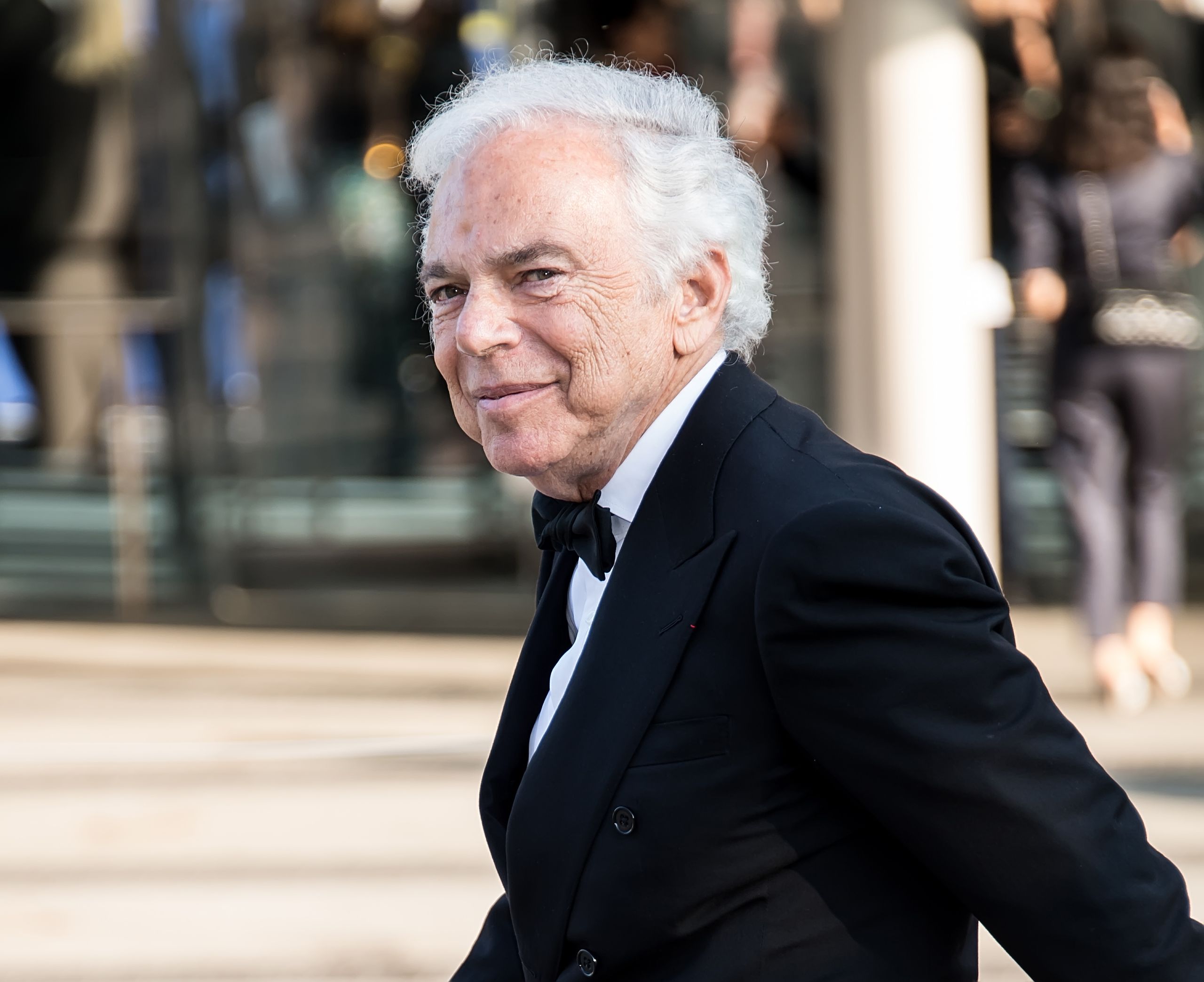
Ralph Lauren was born Ralph Lifshitz in the Bronx, New York. His parents were working-class Jewish immigrants who taught him discipline and ambition. He sold ties during the day and studied business at night. In 1967 he took a bold step. He went independent with nothing more than a drawer of handmade ties and a belief that fashion could tell a bigger story than just clothing.
A Vision That Turned Clothes Into Aspirations
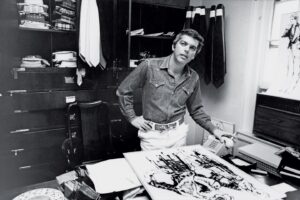
Lauren’s breakthrough was not a specific product but a mindset. He believed people were willing to pay for a lifestyle, not just fabric. His designs carried an emotional promise. They reflected a dream of America built on sport, elegance, freedom and a certain cowboy-meets-preppy charm.
The polo logo quickly became a symbol of aspiration. Many people could not afford the lifestyle it represented, but they loved the feeling it projected.

Expanding the Dream, One Story at a Time
Through the 1970s and 80s, Lauren widened his universe. Menswear, womenswear, home décor, kids’ clothes, fragrances, accessories, and more. Every new category came with a story. His brand became less about a shirt and more about an idealised world.
That storytelling gave his products personality and helped Ralph Lauren stand out in a crowded fashion industry.

Finding the Sweet Spot Between Exclusive and Accessible
A major turning point came when Lauren decided not to rely only on elite customers. He wanted the brand to feel premium but still reach a wider audience.
This balancing act is extremely difficult. If a brand becomes too exclusive, it stays small. If it becomes too accessible, it loses its aura.
Lauren managed the middle path. He preserved aspiration while expanding reach. That strategy helped him build a ten-billion-dollar empire without losing the brand’s soul.

A Branding Legacy That Still Shapes Fashion
Ralph Lauren’s biggest contribution is the idea of brand as narrative. In a world where trends change overnight and shops overflow with options, he proved that storytelling creates staying power.
He sold not just a product but an identity. People did not buy a polo shirt. They bought the dream behind it.
Why His Story Matters Today
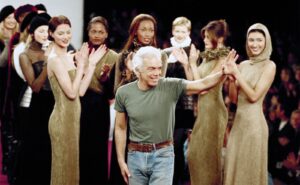
For world’s rising middle class and growing appetite for premium fashion, Lauren’s story offers a sharp lesson. It shows how aspiration drives buying decisions. It also explains how consistency, storytelling and values can lift a brand above fast-changing trends.
Ralph Lauren understood something simple yet powerful. Clothes can be dreams you can wear.