The Power Move That Started It All
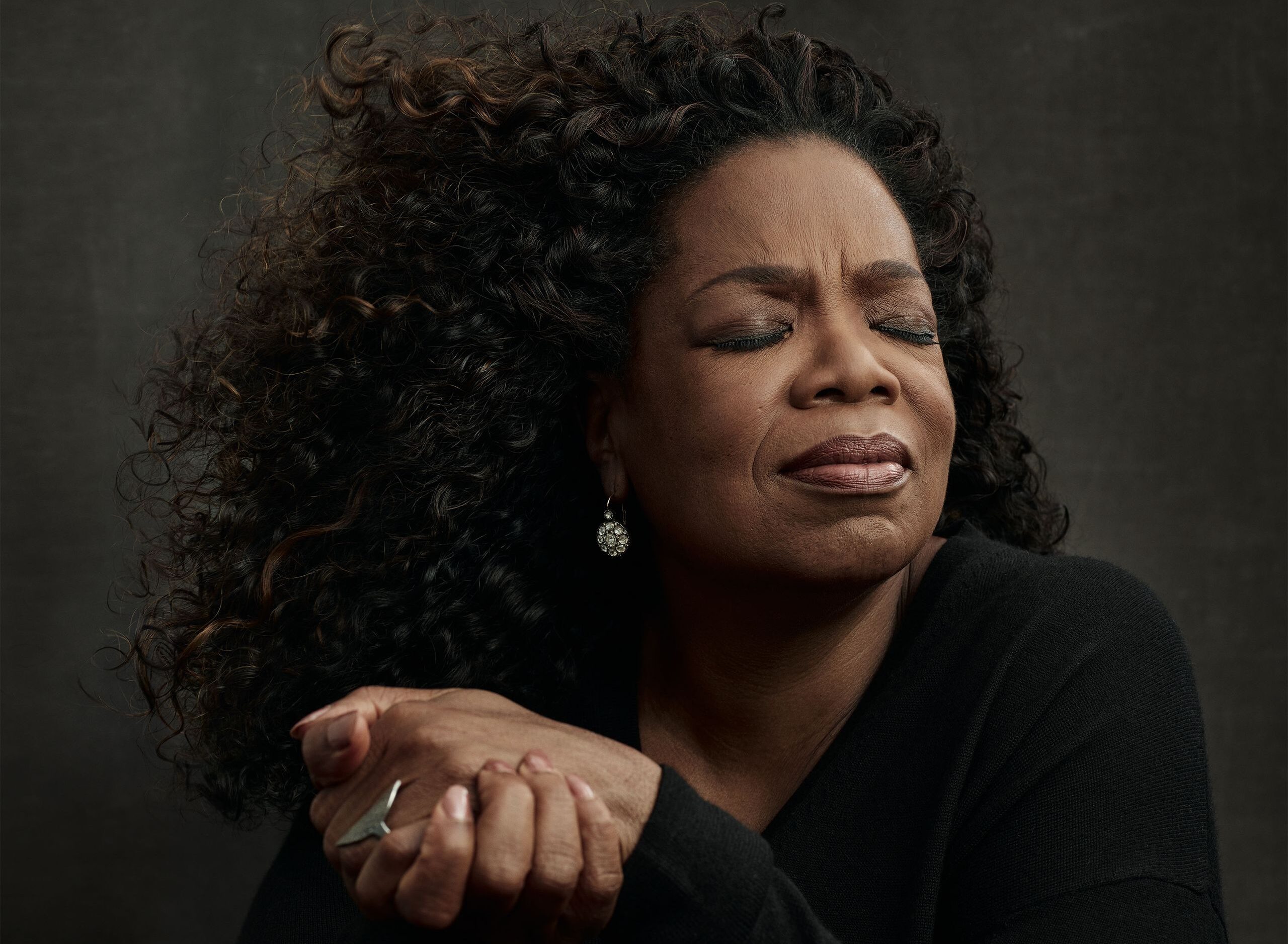
Oprah Winfrey’s rise is often told as a story of fame, but her biggest transformation began the day she founded Harpo Productions in 1986. By owning her own work, she flipped the script on the entertainment industry. Harpo soon grew into films, magazines and later her own TV network, the Oprah Winfrey Network, or OWN. The network struggled in its early years, but it stabilised once it focused on honest, character-driven stories that other channels overlooked.
When Influence Became Equity
In 2015, Oprah made a bold investment in Weight Watchers. She joined the board, took a stake in the company and openly used the program herself. Investors reacted instantly. The stock shot up because the market trusted her ability to shift public behaviour. It was a moment that showed how celebrity influence, when matched with a solid business strategy, can reshape a legacy brand.

A Playbook Built on Values
Oprah’s business choices follow a clear pattern. She backs ideas that echo her core themes, personal growth, wellness and storytelling. Whether it is O, The Oprah Magazine, OWN or her digital platform Oprah Daily, the editorial voice stays consistent.
Her partnerships are equally intentional. Her multi-year content deal with Apple in 2018 was not about owning a new platform. It was about reaching global streaming audiences through a high-quality ecosystem where her name still carries weight.
Learning From Early Setbacks
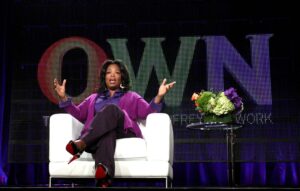
OWN’s launch was not a smooth ride. Ratings dipped, costs rose and critics questioned the channel’s direction. Oprah did not chase quick wins. Instead she narrowed the focus to shows that felt real, emotional and community-driven. That steady shift helped OWN evolve from a shaky experiment into a stable media brand.

Wealth With a Purpose
Today Oprah stands among the world’s richest self-made women. But her business decisions have rarely been just financial. Recently she stepped down from the Weight Watchers board and donated her remaining stake to the National Museum of African American History and Culture. It was both a generous move and a strategic one, showing how public figures navigate the tension between personal values and business optics.

The Strategy Behind the Brand
What makes Oprah’s journey relevant for global entrepreneurs is her three-part game plan.
She builds trust. She owns platforms that carry her voice. And she uses long-term capital to experiment without pressure.
Her shift from print-heavy O magazine to a more digital, partnership-driven model reflects something many traditional brands face. Old formats fade. Audiences move. The smartest players adapt without losing identity.

Moments That Changed the Game
People still talk about the days after she invested in Weight Watchers, when the stock soared purely on her involvement. Others point to her decision to eventually reduce Harpo’s stake in OWN. It looked like a retreat, but it allowed Discovery to handle distribution while Oprah kept creative control. Each turning point shows her knack for balancing power and practicality.
A Modern Blueprint for Global Influence
Oprah’s story proves that brand power must evolve. She moved from television sets to streaming screens, from talk shows to boardrooms and from endorsements to ownership.
Her journey offers a simple reminder. Build trust first. Own enough of your platform to shape your future. And choose the long game, even when the short one looks easier.
Oprah Winfrey did all of this with patience, clarity and instinct. That is why her business empire still feels relevant, even decades after her first breakthrough.