

From Actress to Entrepreneur
Jessica Alba did not set out to build a beauty and baby empire. She set out to solve a problem that kept her up at night. During her first pregnancy she had allergic reactions to everyday products, and she found herself scanning labels at two in the morning, frustrated and confused. That anxiety became the fuel for The Honest Company, which Alba co-founded in 2011 as a direct-to-consumer brand promising cleaner, safer baby and home products. The origin is simple and human, and it is central to Honest’s brand promise.

Building Trust Through Transparency
Honest’s rise was swift. Alba brought on co-founders with product and distribution expertise, embraced the early direct-to-consumer model, and used her celebrity platform not for glamour but to push conversations about ingredient safety and sustainability. The company expanded from baby products to skincare and cosmetics under Honest Beauty, and entered major retailers like Target and Costco. This blend of mission, digital strategy, and retail scale helped Honest stand out among celebrity brands.

Facing Challenges and Lawsuits
In 2015 and 2016, Honest faced class-action lawsuits alleging misleading labeling, settling for about $1.55 million. For a brand built on trust, this was a critical moment. Instead of fading, Honest strengthened its labeling, improved quality control, and became more transparent about its ingredients. The controversy forced Honest to mature operationally and reinforced its commitment to integrity.

Going Public
Honest’s biggest milestone came in May 2021 when it went public, marking a new chapter of accountability. Alba remained central to the brand’s identity while navigating the realities of a listed company. The transition wasn’t easy—growth was uneven as Honest balanced mass retail expansion with profitability—but the IPO proved that celebrity-founded brands could compete in public markets through real business fundamentals, not just name recognition.

Turning Toward Profitability
By 2024, Honest reported about $378 million in annual revenue and its first positive adjusted EBITDA. The turnaround was driven by CEO Carla Vernón, who focused on operational efficiency and profitability. The expanded beauty line and stronger retail partnerships helped Honest move from rapid growth to sustainable performance. Amid a tough environment for direct-to-consumer brands, Honest became a rare example of steady evolution.
Jessica Alba Steps Back, but Stays Involved
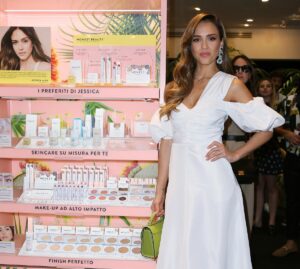
In April 2024, Alba stepped down as chief creative officer but stayed on Honest’s board. She described it as the “right time for the next phase.” After more than a decade of leading the brand from idea to IPO, her shift symbolized maturity, not retreat. It reflected how modern celebrity founders evolve—balancing creativity, business strategy, and personal life while safeguarding their legacy.

Lessons for Modern Founders
Alba’s journey shows that authenticity alone isn’t enough. Honest succeeded because she combined purpose with business rigor. The lawsuits and IPO became learning moments that shaped Honest into a brand trusted by both consumers and investors. It’s a model for founders who want to merge mission with performance.

The New Era of Celebrity Entrepreneurship
Honest represents how celebrity businesses are maturing. Fame can launch a company, but long-term success depends on structure, accountability, and quality. Alba’s move from creative lead to board member mirrors the evolution from builder to steward—a transition many modern founders face.

Influence Can Start a Business, Not Sustain It
If there’s one takeaway from Jessica Alba’s decade in business, it’s this: influence can start a company, but only discipline can sustain it. The finish line belongs to those who balance vision with execution. Alba turned a personal worry into a global business, a public company accountable to millions. That kind of transformation doesn’t rely on celebrity, it relies on character and that’s the real Honest story.