

Masayoshi Son
Founder and CEO, SoftBank Group
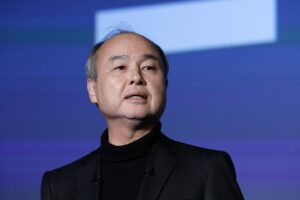
Background and current role
Founder and CEO of SoftBank Group. Creator of the Vision Fund platform, one of the largest tech investment vehicles in history.
Core investment thesis and focus
Long-term bets on technologies that reshape human behaviour. AI, robotics, compute infrastructure, autonomous systems, fintech, climate tech, logistics and next-gen internet platforms.
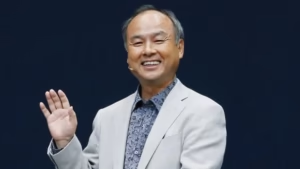
Net worth, source of income, notable deal
Net worth fluctuates around USD 25–30 billion. Wealth driven by SoftBank equity, early Alibaba stake and Vision Fund upside. The most defining deal remains Alibaba, followed by Arm.
Typical cheque size and stage
Late-stage and growth-heavy, but flexible. Cheques range from USD 50 million to multi-billion-dollar bets. Comfortable leading rounds and owning meaningful stakes.
Signature investments
Alibaba, Arm, Coupang, DoorDash, Grab, ByteDance, Nvidia (early), and several AI infrastructure and robotics plays.
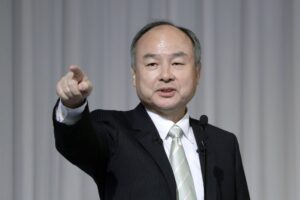
How Masayoshi Son thinks about founders
Son backs founders who think at a civilisational scale. He looks for obsessive vision, extreme ambition and comfort with uncertainty. He prefers founders who see ten steps ahead, not incremental optimisers. Technical depth matters, but conviction and speed of learning matter more. He is less interested in perfect execution today and more interested in whether the founder can adapt fast as the world shifts.
Decision-making style and risk appetite
High-conviction and asymmetric. Son is known to decide fast once belief clicks. He is comfortable being wrong publicly and at scale. Risk appetite is unusually high, but not random. He concentrates capital where he believes technological inevitability exists, especially around AI and intelligence-led systems.
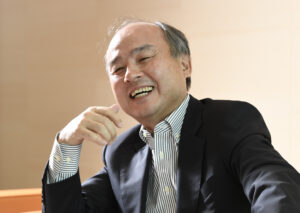
Value beyond capital
Access to global capital, partnerships and distribution. SoftBank connects portfolio companies across geographies and sectors. Founders get credibility, talent access and long-term balance sheet support. Son also pushes companies to think bigger than their original market.
Red flags and why he passes
Small vision. Defensive founders. Short-term thinking. Businesses built only for valuation optics. Founders who cannot articulate how technology changes behaviour at scale. He also avoids founders who resist bold pivots when facts change.
Reputation in the ecosystem
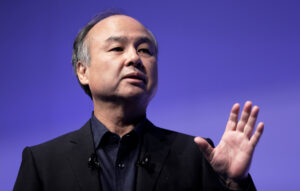
Polarising but respected. Seen as a visionary who swings big and absorbs losses to find category-defining wins. Some view him as too aggressive, others as one of the few investors willing to fund decade-long outcomes. In 2026, his credibility is again rising with AI-led bets.
What founders should know before pitching
Do not pitch a feature. Pitch a future. Show how your company fits into an AI-driven world five to ten years out. Be clear about why now matters technologically. Expect direct questions, fast judgment and pressure to think bigger. If your ambition feels safe, the pitch is already lost.
Why he matters in 2026
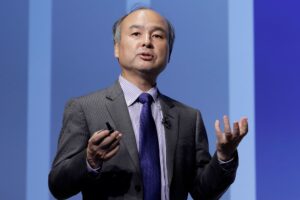
2026 is shaping up as Son’s reset phase. SoftBank is repositioning around AI infrastructure, Arm-led compute ecosystems and robotics. The world is watching whether his long-held belief that AI will redefine everything finally comes to fruition on a full scale. Masayoshi Son remains one of the few investors betting on the future before it becomes obvious.