SUMMARY
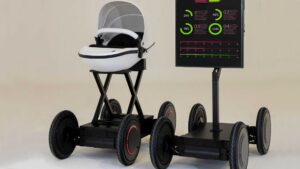
Hyundai’s MobED is a new kind of robot built for real-world stability, not spectacle. Revealed at CES 2026, it stays low, uses eccentric wheels, active suspension, and smart balance control to move smoothly over uneven surfaces, slopes, and small steps. Instead of walking like humanoids or struggling like traditional wheeled robots, MobED blends efficiency with adaptability. It was designed for places like hospitals, campuses, warehouses, and cities, where robots must be safe, reliable, and affordable at scale. MobED shows that the future of robotics is practical mobility, not human imitation. By focusing on stability, scalability, and real use cases, Hyundai is pointing robotics toward quiet, useful deployment rather than flashy demos.

A quieter, more useful future for robotics
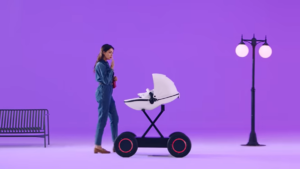
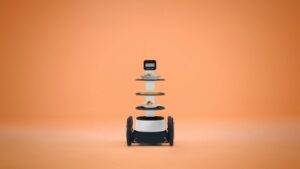
In a hall full of towering humanoids and flashy AI demos at Las Vegas in January 2026, one robot stood out by staying low to the ground. It did not wave, talk, or pretend to be human. Instead, it rolled calmly across uneven surfaces, climbed small steps, adjusted its body in real time, and refused to fall. Hyundai’s MobED, short for Mobile Eccentric Droid, was not chasing spectacle. It was solving a problem most robotics companies quietly struggle with: stability in the real world.

How MobED Came to Life
MobED did not begin as a consumer robot or a factory worker. Its roots go back to Hyundai Motor Group’s internal robotics lab, where engineers were frustrated with how fragile most mobile robots were outside controlled environments. Wheels were fast but useless on slopes or broken terrain. Legs were flexible but expensive, complex, and power-hungry. Warehouses, hospitals, campuses, and cities needed something in between.
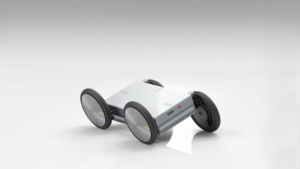
The early idea was simple and counterintuitive. What if a robot could keep the efficiency of wheels but behave like it had legs? The breakthrough came when engineers experimented with an eccentric wheel system, wheels mounted off-centre, paired with active suspension and real-time balance control. Early prototypes looked awkward and failed often. Some toppled during sharp turns. Others drained batteries too quickly because the balancing algorithms overcorrected.
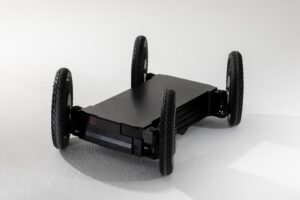
The turning point came when the team stopped treating balance as a mechanical problem and reframed it as a perception problem. MobED’s brain began to constantly read terrain data, slope angles, and speed, adjusting each wheel independently before instability even appeared. In internal tests, one version survived a push that would have knocked over most delivery robots. Another prototype surprised engineers by smoothly transitioning from flat floors to uneven outdoor paths without manual tuning.
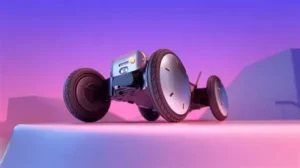
What drove the team was not novelty but frustration. Hyundai’s robotics division had already seen Boston Dynamics’ legged machines succeed in demos but struggle with cost and scale. MobED was motivated by a different question: how do you deploy robots in thousands, not dozens? By CES 2026, MobED was no longer a lab experiment. It was a clear statement that mobility, not humanoid form, may define the next phase of robotics.
What Can We Take
At its core, MobED is a lesson in choosing the right abstraction. The technology is not magic. It combines eccentric wheels, active suspension, edge AI for balance control, and modular payload design. The insight is that most service environments do not need walking robots. They need robots that do not fall, stall, or require constant supervision.
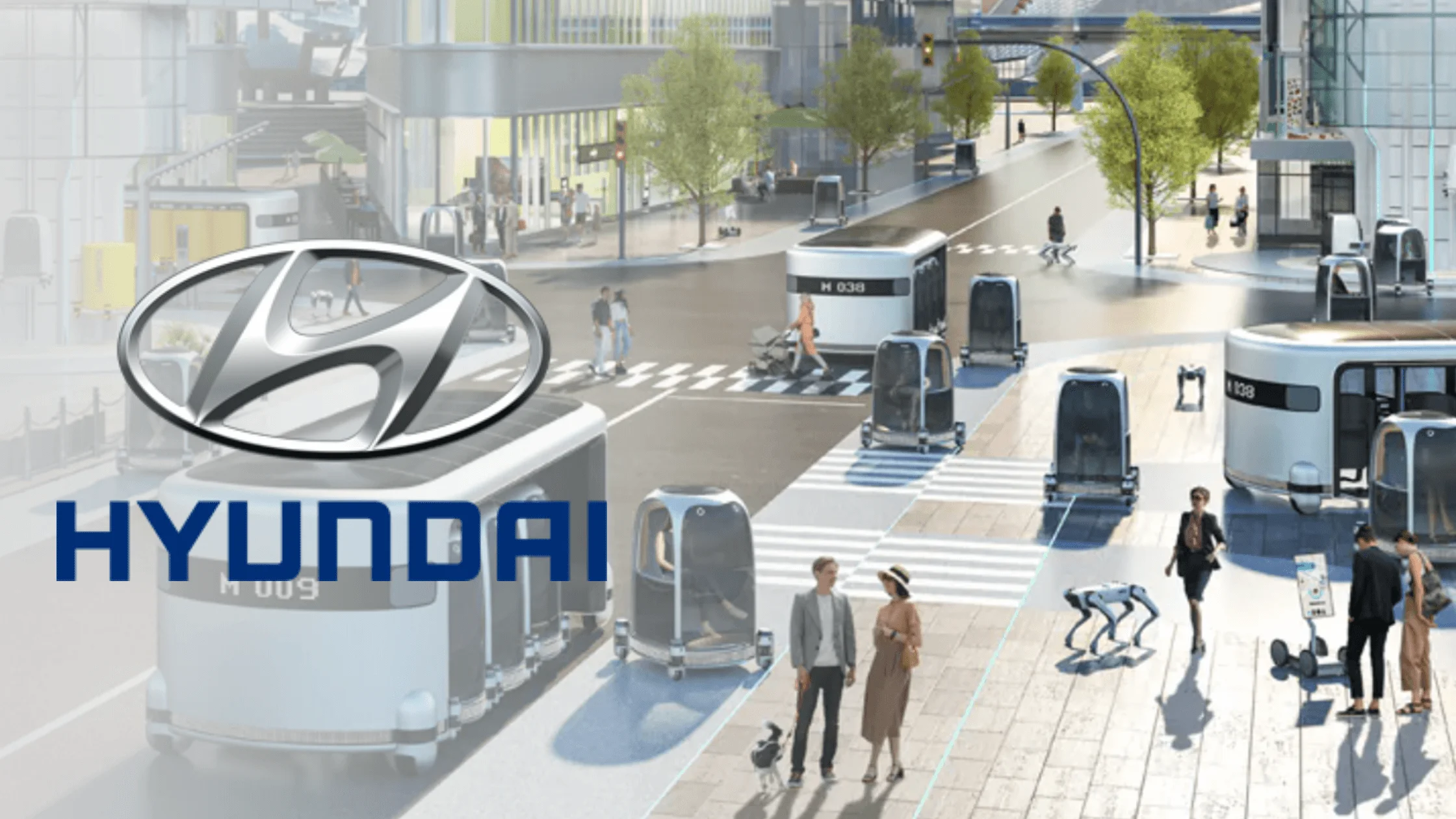
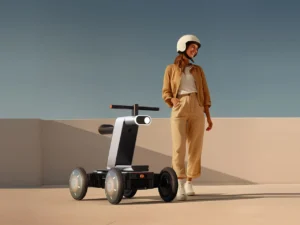
For entrepreneurs, the real opportunity lies in where MobED fits. Think hospitals, where robots must move safely around people. Think of campuses, airports, warehouses, and industrial plants with ramps, cracks, and mixed flooring. These environments have been hostile to traditional wheeled robots and too cost-sensitive for humanoids.

MobED points toward a future where robotics-as-a-service becomes practical. A stable, mobile base can be leased monthly, with software updates improving performance over time. Founders can build businesses on top of this base, delivering modules, inspection cameras, cleaning units, security patrols, and even mobile sensor platforms for smart cities.

The competitive landscape is telling. Humanoid startups are burning capital chasing general intelligence. Traditional AMR players focus on flat warehouses. MobED occupies a neglected middle ground, outdoor-capable, human-safe, and scalable. This is where differentiation lives.

Adoption hurdles remain. Cost will matter, though MobED is structurally cheaper than legged robots. Regulations surrounding the operation of robots near humans will slow the deployment of robots in public spaces. Integration into existing workflows will determine success more than raw capability. Founders should note that Hyundai is not rushing to sell MobED as a finished product. It is positioning it as a platform.
The investment climate reflects this shift. Capital is moving away from moonshot humanoids toward practical mobility, edge AI, and service automation. Investors want robots that ship, survive, and scale.
Why MobED Matters
MobED suggests that the future of robotics will not arrive standing upright and talking like us. It will arrive quietly, rolling through places where humans already work, handling tasks no one wants to do, and doing them reliably. In 2026 and beyond, the winners in robotics will not be those who imitate humans best, but those who understand environments best. MobED is a signal that the industry is finally learning that lesson.