
A New Face Inside A Nuclear Plant
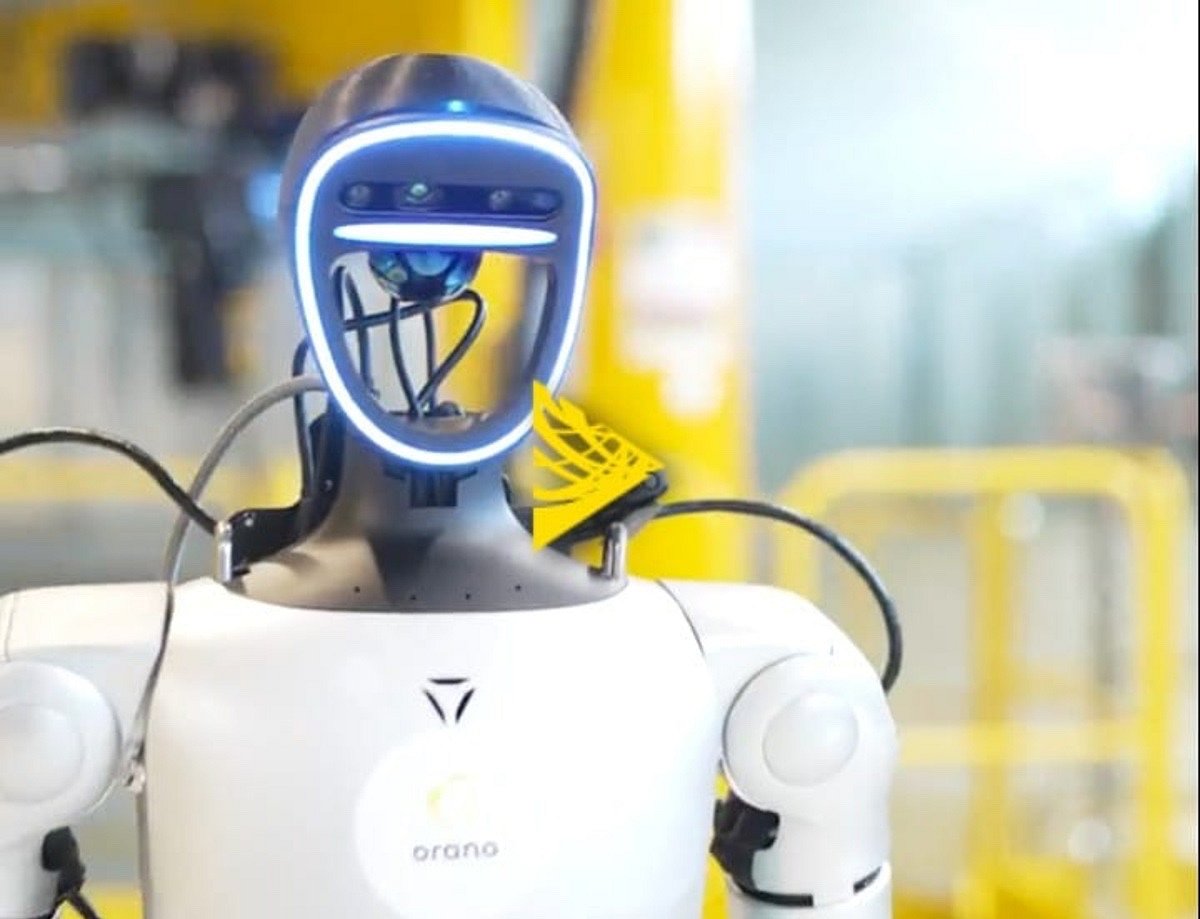
In early November 2025, a quiet experiment began inside Orano’s Melox training centre in France. Capgemini and nuclear company Orano introduced a humanoid robot called Hoxo. It walks, sees, handles tools and moves in tight industrial spaces. For the next few months, it will work inside a real nuclear environment to prove if humanoid robots are finally ready for serious, high-risk industries.
Hoxo is not a flashy tech demo. It is a practical robot built for careful, high-stakes work. The goal is simple. Can a robot do certain tasks in places where humans face danger, stress or long exposure to radiation? If yes, it could change how nuclear plants operate.

Why Nuclear Is A Big Test
Nuclear plants need accuracy, safety and steady hands. Many jobs are repetitive or physically risky, and small errors can lead to big problems. A robot that looks and moves like a human can be a strong match for these environments because it can use the same pathways, tools and spaces that people use.
If Hoxo succeeds, it will show that humanoid robots can help in inspection, maintenance and support tasks. If it fails, the industry will still learn what needs to improve. Either way, this pilot marks a serious step forward for robotics.
The Tech Behind Hoxo
Capgemini calls the system “physical AI.” It mixes sensors, navigation, digital twins and real-time intelligence. That means Hoxo can understand its surroundings, avoid people, handle equipment and complete routine work without constant human control.
Orano provides the real test bed. Their plant has strict rules, trained staff and controlled zones. Hoxo must follow all safety norms and work smoothly with human operators. This is the hardest part because robots need to be predictable when people are around.
A Wave Of Investment In Humanoid Robots
2025 has been a big year for companies building humanoid robots. Many of them raised large investments to make their machines stronger and more reliable. Global players like Agility Robotics pushed their models closer to mass production. This funding surge shows that investors see humanoid robots as the next big shift, similar to how automation changed factories over the last decade.
Hoxo’s launch fits into this global movement. Companies no longer want only hardware. They want a full package, AI included. They want partners who can help them change workflows, train teams and manage long-term performance. This is why large tech firms like Capgemini have stepped in.

Challenges On The Ground
Even with all the excitement, the road is not easy. A robot that works well in a clean lab can behave differently in a busy factory. Battery life, tool handling, long hours of repeated tasks and behaviour under heavy machinery are still work in progress.
A nuclear plant adds more pressure. Hoxo has to follow strict procedures, maintain steady performance and prove it will not misread a situation or disrupt ongoing operations. The plant’s workers also need training and time to trust the robot.

A Turning Point For Industries Worldwide
If the pilot succeeds, it will encourage industries like defence, energy, chemicals, logistics and even manufacturing to test humanoids more openly. These robots may not replace people, but they can take on difficult tasks and support teams that are often stretched thin.
As factories modernise and infrastructure ages, robots like Hoxo can help companies manage costs, expand capacity and improve safety.
A Sign Of What’s Coming
Hoxo represents a shift in robotics. The industry is moving away from staged demos toward real deployments. The next few months will show whether humanoids can earn a place in the toughest workplaces.
If Hoxo performs well, we will see more pilots, more partnerships and faster adoption. If it struggles, the lessons will still push the field forward.
Either way, the arrival of Hoxo marks the beginning of a new phase. Humanoid robots are no longer science fiction. They are stepping into real industries, one careful task at a time.