Iran’s retaliatory strikes across the Gulf have triggered the most widespread business disruption in the region since the COVID-19 pandemic, forcing airport closures, halting port operations and sending shockwaves through financial markets.
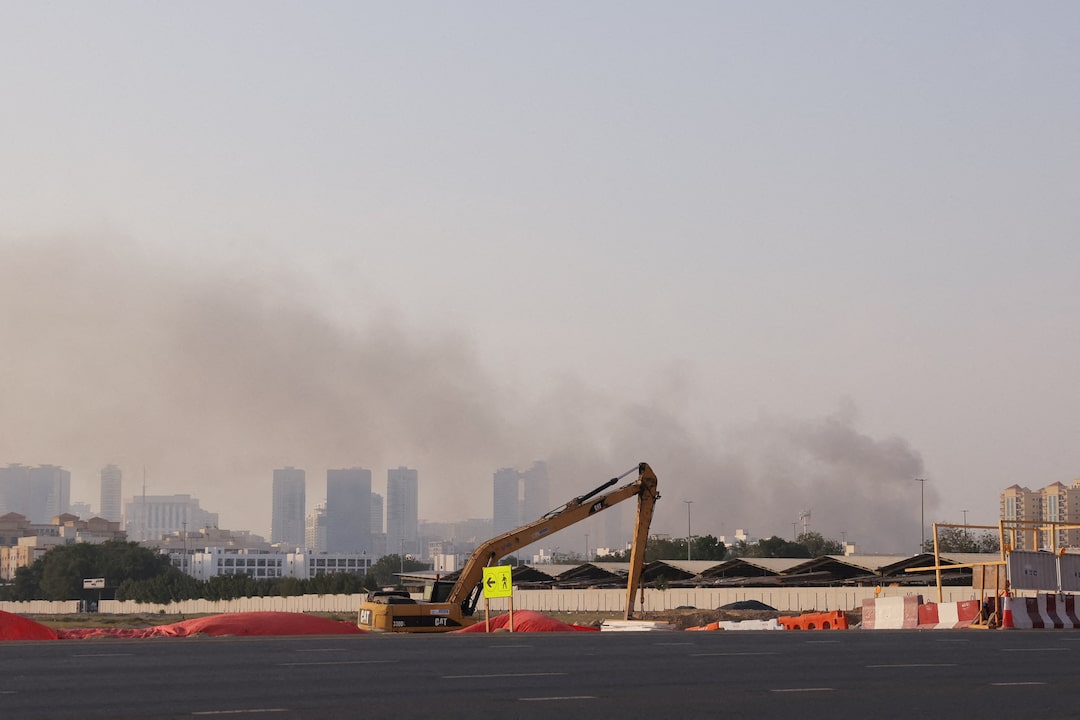
The attacks, launched in response to a joint U.S.-Israeli assault on Iran, landed across every major state in the Gulf, a region that has spent decades building its reputation as one of the world’s most reliable business hubs. Three people were killed by the attacks in the United Arab Emirates, and loud bangs were heard for a second day in Dubai and Abu Dhabi on Sunday.

The strikes marked an unprecedented escalation for Dubai, a city whose modern identity was built on being insulated from the region’s conflicts. From humble beginnings as a small fishing village, the emirate of Dubai used modest oil revenue to build ports, airports and trade centres before pivoting in the 1990s to luxury tourism, real estate and financial services. “Regionally, the impact across (Gulf) economies is mixed,” said Vijay Valecha, chief investment officer at Century Financial. “Elevated oil prices provide a fiscal cushion for producers such as Saudi Arabia and Qatar, strengthening revenues and liquidity. However, trade, logistics and tourism, particularly in the UAE, would face pressure if shipping risks rise or regional sentiment weakens.”