
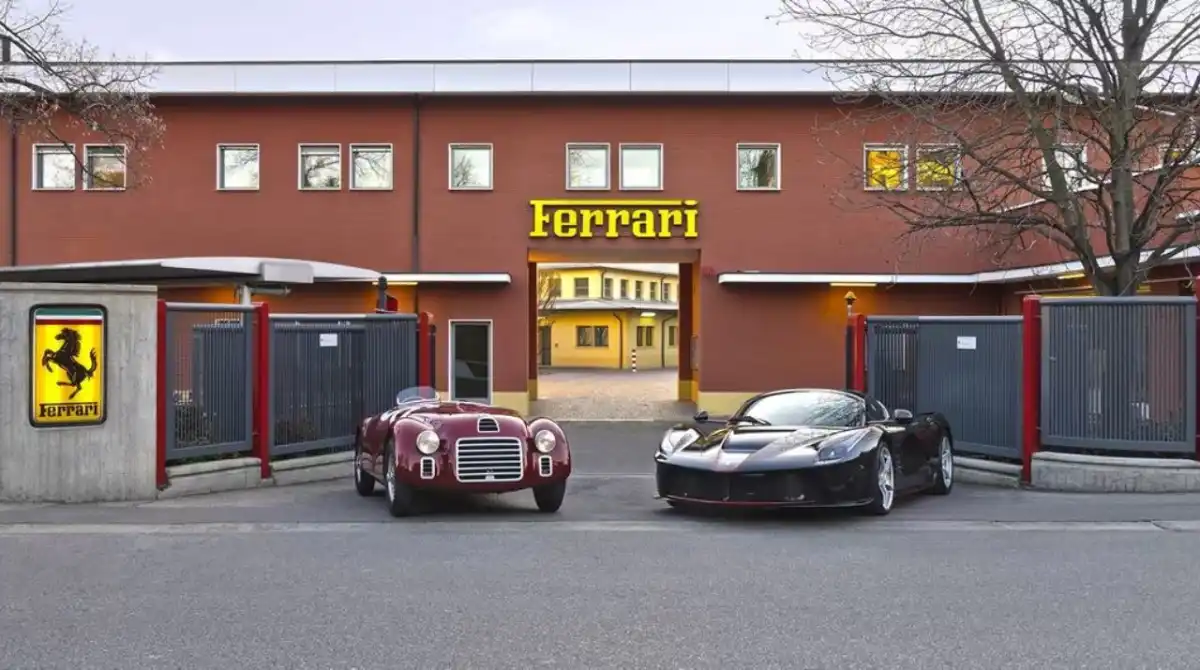
Ferrari has never sold cars. It has sold longing. For nearly eight decades, the Prancing Horse has turned speed into status, engineering into emotion, and scarcity into one of the most powerful business models in modern luxury. In 2026, as the auto world races toward electrification and digital sameness, Ferrari’s relevance is not shrinking. It is sharpening.
Not as nostalgia, but as a masterclass in how legacy brands adapt without losing their soul.
Born on the Racetrack, Not in a Showroom
A Founder Who Cared About Winning Than Selling
Enzo Ferrari did not dream of building luxury cars. He dreamed of winning races.
In 1929, Scuderia Ferrari began as a racing team in Modena, preparing cars for Alfa Romeo. Enzo was obsessed with competition, mechanics and the theatre of motorsport. Road cars were never the end goal. They were a means to survive.
This obsession shaped everything that followed. Ferrari was performance-first by birth, not prestige-first by design.
Building Cars Only to Fund a Dream
The first Ferrari-badged road car, the 125 S, rolled out in 1947. It existed for one reason, to fund racing. Even then, the values were clear. Lightweight engineering. Powerful engines. No compromise, even if it made the business harder.
Ferrari nearly collapsed multiple times in the 1950s. Racing drained money. Fatal crashes haunted the team. Enzo himself was emotionally distant, ruthless in leadership and singularly focused on legacy. But this intensity forged the brand’s identity. Ferrari cars were not built for comfort or mass appeal. They were built to stir the driver.
Pain, Pride and the Price of Obsession
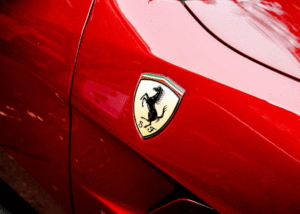
Ferrari grew alongside post-war Italy, a country rebuilding itself through craftsmanship and pride. Italian design met brutal mechanical discipline. Over time, Ferrari red, the Cavallino Rampante logo and the sound of its engines became global symbols of aspiration.
A defining moment arrived in 1969 when Fiat acquired 50 percent of Ferrari. Enzo retained control over racing. The deal saved Ferrari financially without diluting its core. After Enzo’s death in 1988, many feared the brand would lose its edge. Instead, it matured.
The belief that defined Ferrari was simple and radical. Build fewer cars than the world wants. Desire lives in the gap.
The Business Machine Behind the Myth
Scarcity Is the Product
Ferrari’s most powerful strategy in 2026 remains discipline. Production is capped by choice, not by constraint. Demand far exceeds supply, yet Ferrari refuses to chase volume.
Customers do not simply buy Ferraris. Ferrari decides who gets one. Client history, loyalty and brand alignment matter. This creates pricing power that rivals top luxury fashion houses, not car manufacturers.
For founders, the lesson is blunt. Growth does not always mean more units. Sometimes it means more control.
Pricing Power Built on Personal Identity, Not Discounts
Ferrari’s base prices are only the entry point. The real margins sit in personalisation. Custom paint, interior finishes, bespoke materials and heritage-inspired details routinely add six figures to a car.
Buyers do not see this as upselling. They see it as self-expression. Ferrari understands that luxury customers want individuality inside exclusivity. In 2026, Ferrari continued expanding its Tailor Made and Special Projects divisions, turning customisation into a structured profit engine.

A Dealer Network Designed for Control, Not Volume
Ferrari’s global dealer network is tightly managed. Dealers act as brand custodians, not aggressive sales outlets. Inventory is limited. Discounts are discouraged. The buying experience is slow, personal and ceremonial.
Digital tools now support configuration, storytelling and engagement, but Ferrari has resisted full e-commerce. Luxury, in Ferrari’s world, is not frictionless. It is curated.

Formula 1 as the Only Marketing Money Can’t Buy
Formula 1 is not an advertising channel for Ferrari. It is proof of authenticity. Even during poor racing seasons, Ferrari’s presence in F1 reinforces credibility, engineering depth and seriousness.
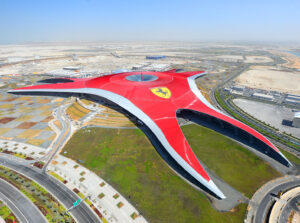
Beyond F1, Ferrari has expanded customer racing programs and track experiences. These are not brand stunts. They are high-margin experiential luxury offerings. Clients do not just own a Ferrari. They enter a controlled ecosystem of speed, access and belonging.
Electrification Without Losing the Heartbeat
Electrification is Ferrari’s biggest strategic risk and opportunity. In 2026, Ferrari will unveil its first fully electric model.
The company’s approach has been cautious. Hybrids came first. Electrification is framed as performance enhancement, not environmental apology. Ferrari knows that sound, vibration and drama define its appeal.
Heavy investment has gone into in-house battery research, software and manufacturing control. Sustainability is communicated quietly, through engineering and longevity, not loud virtue signalling. Ferrari understands that luxury customers want responsibility without moral lectures.
From Old-School Engineering to System-Level Leadership
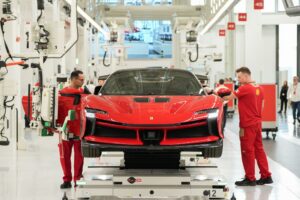
Since its 2015 IPO, Ferrari has behaved like a private luxury house trapped inside a public company shell. Under CEO Benedetto Vigna, a former semiconductor executive, Ferrari has leaned deeper into technology, data and manufacturing precision.
The leadership shift signalled a deeper evolution. Ferrari is becoming a systems-driven luxury business while protecting emotional depth. Investments in carbon neutrality, digital infrastructure and next-generation production are happening steadily, without hype.
Legacy, Electricity and the Business of Waiting
Ferrari matters because it proves legacy brands can evolve without surrendering identity. In an era of electric sameness, subscription fatigue and algorithm-driven consumption, Ferrari remains stubbornly human. It sells anticipation. It sells waiting. It sells belonging.
Ferrari is a rare case study in restraint, brand control and long-term trust. It shows that the future does not belong only to fast disruptors. It also belongs to brands that know exactly who they are and refuse to chase every trend.
Ferrari’s future is not about becoming the fastest to electrify or the loudest on sustainability. It is about translating emotion into new technology without breaking the spell.