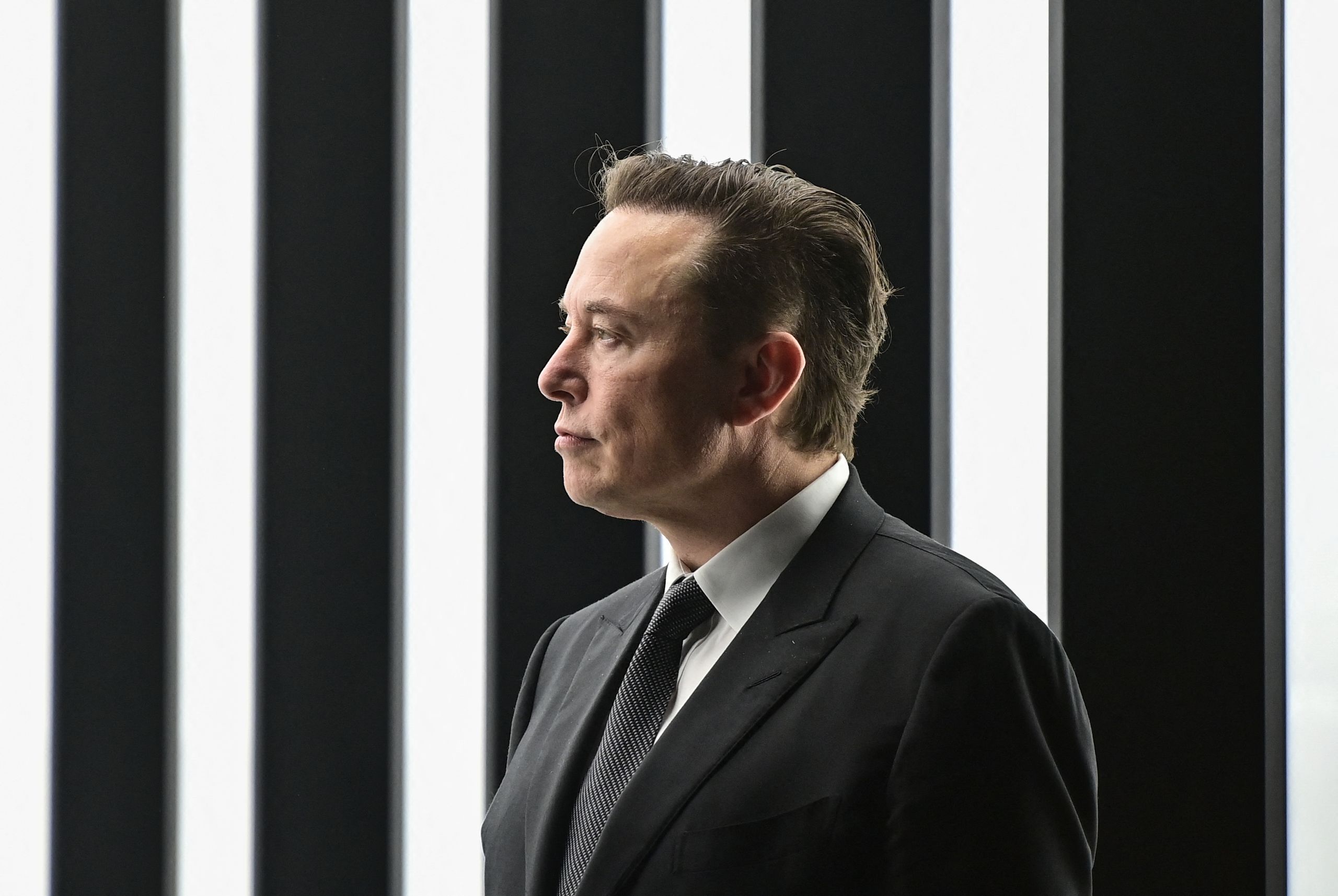
Elon Musk grew up in South Africa as a quiet, curious child who spent more time with books and computers than with people. He taught himself to code and sold his first video game at 12. He later moved to North America because he believed the US offered the scale to turn bold ideas into global companies. He arrived with very little money, only a fierce belief that he could build something meaningful.
Early Wins, Bigger Ambitions
Musk’s first successes, Zip2 and PayPal, gave him capital but not comfort. Instead of taking a safer path, he raised the stakes. In 2002 he founded SpaceX to make spaceflight reusable and affordable, an idea many dismissed as unrealistic. Around the same time, he joined Tesla and pushed electric cars from a tiny niche into a direct challenge to century-old auto giants.

Living on the Edge of Failure
Both SpaceX and Tesla almost collapsed. SpaceX faced repeated rocket failures. Tesla struggled with production delays and even hovered near bankruptcy. Musk stayed all-in at every crisis, pouring in personal funds and reputation when most people would have stepped back. That willingness to take personal risk became a defining part of his strategy.
A Leadership Style That Sparks Debate
Musk’s leadership is intense and polarising. He sets almost impossible targets for himself and his teams. This pressure drives major breakthroughs but also leads to burnout, controversies, and regulatory battles. Even so, his impact on global business is undeniable.
Changing How Industries Think
Tesla forced the auto industry to shift from slow, incremental improvements to fast, software-led electrification. SpaceX proved that reusable rockets are not science fiction but sound economics. Both companies disrupted supply chains, investor behaviour, and national space priorities. Musk did not just build companies. He changed what everyone else suddenly needed to build.
The Complicated Side of Influence
Musk’s public persona often collides with politics, culture and debates on AI and free speech. His companies push the limits of innovation, but they also raise questions around governance and accountability. For business leaders, his story highlights a clear trade-off. You can chase rapid innovation and accept turbulence, or prioritise stability and risk falling behind.

Lessons for Entrepreneurs
For founders, especially those eyeing hardware or deep-technology ideas, Musk’s journey is both inspiration and caution. Think bigger than your resources. Build funding, talent and culture around your mission. But pair ambition with discipline, because boldness without clear governance can easily derail the vision.
The Core Takeaway
Dream beyond what seems possible. Then design the systems, people and capital that make those dreams unavoidable