
Summary
Choco was founded in Berlin in 2018 by Daniel Khachab to fix a hidden but expensive problem in food distribution: restaurants ordering supplies through voicemails. Starting with suppliers, Choco built a simple app to digitise ordering and reduce food waste, which drives nearly 10 percent of global emissions. By 2025, labour shortages made night-shift order taking unsustainable. Choco launched an AI Voice Agent powered by OpenAI that answers calls, processes multilingual orders, checks inventory, and suggests substitutes with 95 percent accuracy. After surviving COVID through quick pivots and backing from Coatue Management, Choco became a $1.2 billion unicorn, connecting 110,000 businesses and quietly turning food distribution into AI-driven infrastructure.

When Chefs Stop Leaving Voicemails, Food Waste Starts to Die
Late nights in Berlin kitchens end the same way: tired chefs leave long voicemail orders for suppliers. By morning, mistakes creep in, food gets wasted, and money is lost. A massive supply chain still runs on answering machines.
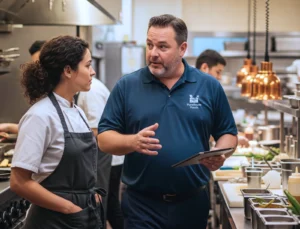
Daniel Khachab saw how broken this was. After years in e-commerce, he realised this inefficiency was not small; it was fuelling food waste, which drives 10 per cent of global emissions. Most of that waste happens before food reaches people.
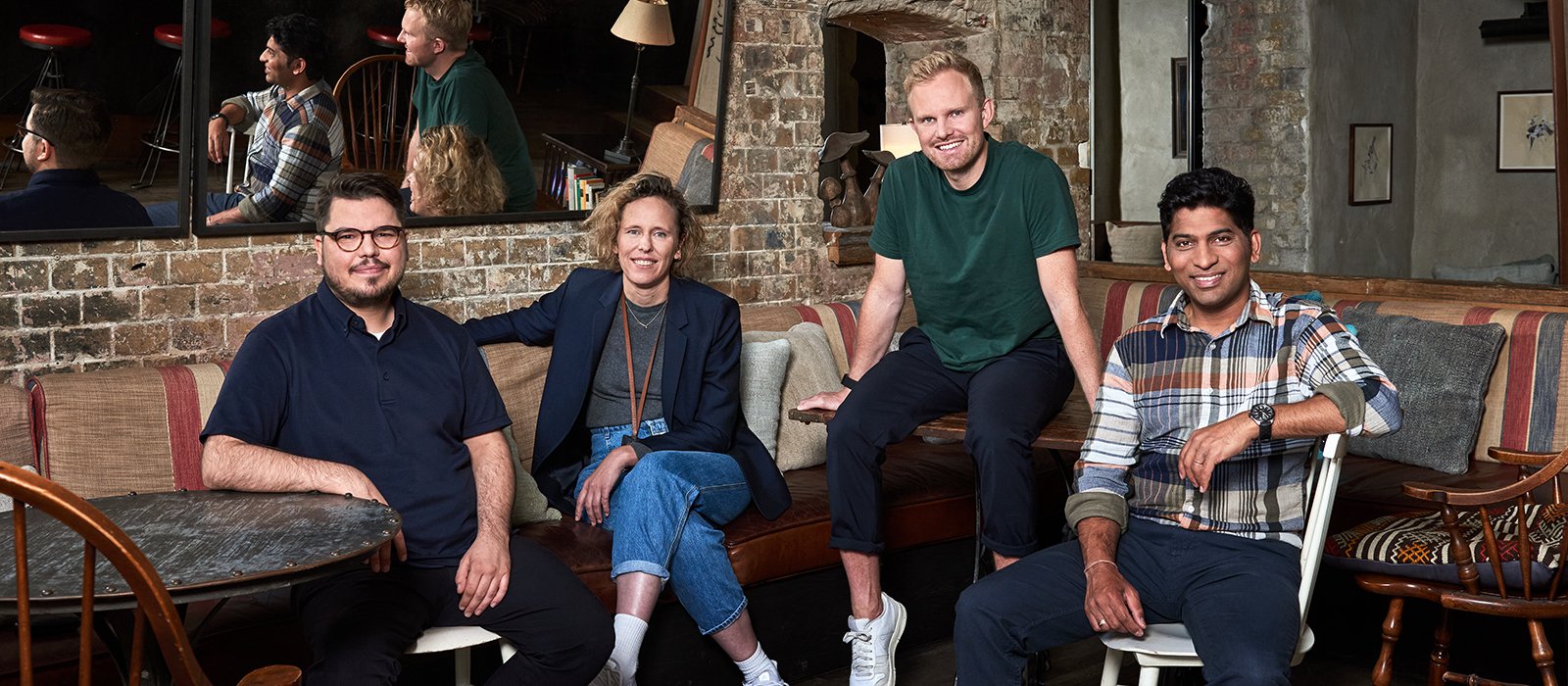
In 2018, Khachab and his co-founders spent over a year studying the system. Then they launched Choco in Berlin, a simple app that replaces voicemails. It set out to modernise a $7 trillion industry built on trust, not tech.
The Night Shift Nobody Wants Anymore
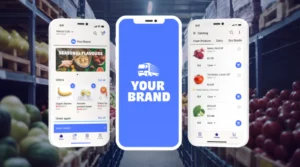
By December 2025, Choco exposed a quiet crisis in food distribution: no one wants to work nights. Orders come in at 11 pm or 3 am, but staff turnover is brutal and manual order entry is broken. What looked like an efficiency problem was really a staffing collapse.
Choco’s Voice Agent changed that. Built with OpenAI’s Realtime API, it answers calls, takes orders in any language, checks stock live, suggests substitutes, and pushes expiring deals. It runs while humans sleep, hitting 95% accuracy and cutting manual work by half.
This is not a chatbot. It’s infrastructure. Distributors aren’t replacing workers; they’re replacing jobs that no longer exist. Restaurants get instant responses, orders aren’t missed, and food waste drops.
The move was deliberate. Months earlier, Choco launched Autopilot to read orders from emails, texts, voicemails, and even handwritten notes. Step by step, it’s removing every manual step.
The endgame is clear: own the communication layer between restaurants and distributors, and let AI make it disappear.

Built Fast. Broke Rules. Won Big.
Choco didn’t play by the usual startup rules. Instead of chasing restaurants, they went after suppliers first and controlled demand from day one. The founders learned early that moving fast mattered more than getting everything perfect. To test new markets, they sent two people for three weeks. If it worked, they scaled. If not, they walked away.

COVID could have ended them. Instead, it proved their model. When restaurants shut, Choco quickly helped suppliers sell directly to consumers, keeping money moving. That speed impressed investors. In early 2020, Coatue Management and ex-Facebook leader Dan Rose led a $30.2 million round, doubling Choco’s valuation to $250 million in just six months.
By 2022, Choco became a unicorn at $1.2 billion, raising over $328 million. Today, it connects 110,000 businesses across Europe, the US, and the UAE, delivering near-perfect order accuracy and saving massive time across the food supply chain.
When AI Picked Up the Phone
Choco’s real shift began in 2025. In December, it partnered with OpenAI to launch the Choco Voice Agent, a voice-based AI built for food distributors. This is not a chatbot. It takes phone orders in any language, all day and night, checks stock instantly, suggests alternatives, and helps sell soon-to-expire items.
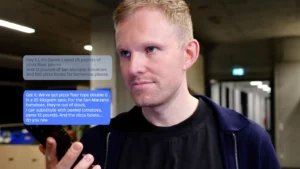
The problem is real. Distributors cannot staff late-night order desks anymore. The work is repetitive, people quit fast, and no one wants to type orders at 3 am. Choco’s voice AI removes that bottleneck. Orders go through, restaurants get quick answers, distributors lose fewer sales, and food waste drops.
Earlier in September, Choco launched Autopilot, which already handled orders from emails, texts, voicemails, and even handwritten notes. With OpenAI’s real-time tech, Choco is now building a system where humans are optional, not essential.
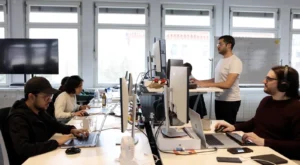
Its expansion into the UAE and the Middle East, announced at Gulfood 2026, the world’s largest food trade show, shows the scale of ambition. The global food market is heading toward $11.37 trillion by 2030, and this region is growing the fastest. Choco wants to be the backbone of that shift.
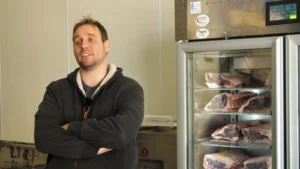
What started as a bold idea in 2018 to fully digitise food wholesale by 2026 is now becoming real. Food distribution is going digital. The real question is whether anyone can catch up before Choco owns the space.