
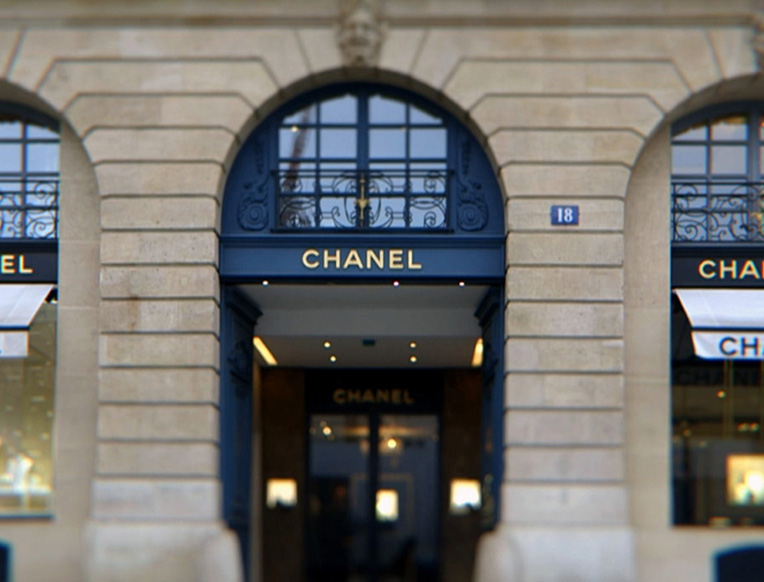
Chanel is not just a luxury brand. It is a mood, a memory, a promise. It began with a small hat shop in Paris in 1910, built by a young woman who wanted to free other women from heavy, uncomfortable fashion. Gabrielle “Coco” Chanel believed clothes should let women breathe and move. That belief shaped everything she created, from the classic little black dress to clean silhouettes that still feel modern today.
Even now, more than a century later, that simple idea guides the house of Chanel.

A journey full of twists, risks, and reinvention
Chanel’s story is not a straight line of success. After Coco’s time, the brand lost its sparkle for a while. Tastes changed and competition grew. The real revival came in the 1980s when a bold German designer, Karl Lagerfeld, joined the house. He treated Chanel’s heritage like a treasure chest and mixed it with a fresh, playful energy.
Under him, Chanel became global again. His fashion shows turned into full-scale events, from indoor beaches to supermarket sets. He made Chanel exciting for a new generation without losing its dignity.

The quiet power behind the brand
Many people know the designs, but fewer know the business story. Chanel is still owned by the Wertheimer family, whose ancestor partnered with Coco in the 1920s. Because the company is private, it does not chase quick profits or short-lived trends. It takes time, invests slowly, and protects its image carefully.
This steady approach helped Chanel grow its global business across fashion, beauty, and fragrance. But it also meant the company had to read the market on its own, without the pressure or guidance of public investors.

A changing luxury market
The last few years have not been smooth. In 2024, Chanel’s revenue growth slowed as luxury spending softened in China and parts of Europe. Fragrance and beauty continued to do well, but fashion faced more mixed demand. For a brand built on exclusivity, the question became clear: how do you stay classic but still feel new?
Chanel has started thinking differently, exploring retail experiences, digital touchpoints, and more personalised customer journeys.

New leadership, new energy
After Lagerfeld’s passing in 2019, his long-time colleague Virginie Viard took over. Her job was not easy. She had to protect Chanel’s core style while bringing her own voice. Her exit recently showed how challenging it is to lead a brand with such a huge history.
On the business side, Chanel surprised the world by appointing Leena Nair, an Indian-born leader from Unilever, as its global CEO in 2021. She brought a people-first leadership style and took time to understand the brand from the ground up. Her presence signalled a new chapter, one that respects the past but understands the needs of a modern, global audience.

The heart of Chanel: history and theatre
Walk into 31 rue Cambon in Paris, and you feel Chanel’s soul instantly. The staircase Coco used, the mirrors she watched shows from, the studio where designs were born, all still stand. The brand wears its history proudly.
At the same time, it loves drama. Lagerfeld’s grand runways turned fashion into storytelling. Each show reminded the world that luxury is also about emotion, imagination, and spectacle.

Challenges of a new generation
The world of luxury is shifting. Young consumers care about purpose, values, and sustainability. They want transparency, not just logos. Counterfeit markets keep growing. Digital shopping is rising. Chanel must make its supply chain cleaner, embrace tech, and still protect the mystery that makes it special.
It is a tough balance, but the brand is taking small, steady steps, investing in craft and tech without losing its soul.

Why Chanel still matters
Chanel is more than a company. It is a cast of characters, each shaping its identity. Coco Chanel with her rebellious spirit. Karl Lagerfeld with his showmanship. The Wertheimer family with their patient business strategy. Leena Nair with her global, modern leadership.
Their stories make Chanel feel alive. They make the brand human, not just luxurious.
For business leaders in India and around the world, Chanel’s journey is a lesson in staying true to your roots while learning to evolve. It shows how long-term thinking, strong storytelling, and deep respect for craft can build something that outlives trends.
Chanel’s next big challenge is simple but powerful: stay rare, stay meaningful, and stay honest about who it is. If it gets that right, its legacy will shine brighter than ever.