

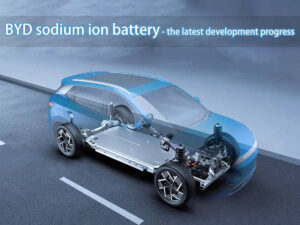
In January 2026, a quiet launch outside the CES spotlight landed with outsized impact. Chinese automaker and energy major BYD unveiled a compact, sodium-ion home battery system designed for apartments, small offices, and edge locations. No lithium. No cobalt. No exotic supply chains. Just a plug-and-play box that stores clean power safely, cheaply, and at scale.
It looked unremarkable. That was the point.
Where It Came From
The idea did not start as a consumer gadget. It began five years ago inside BYD’s battery labs, where engineers were staring at a hard truth. Lithium was becoming the new oil. Prices were volatile. Supply chains were geopolitically fragile. Recycling was lagging. If electrification was going to reach billions of people, especially in dense cities and emerging markets, lithium alone would not cut it.
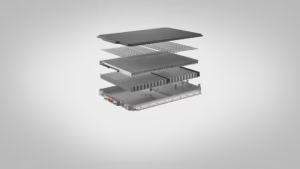
Sodium was the obvious alternative. It is abundant, cheap, and everywhere. The problem was performance. Early sodium-ion batteries were bulky, short-lived, and unstable in real-world conditions. Fine for labs, useless for homes.
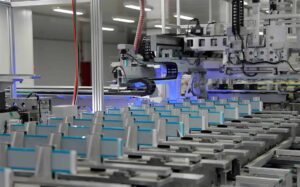
The prototypes failed fast. Energy density was too low. Charging was slow. Safety margins were thin. Internal teams pushed back. Why risk a new chemistry when lithium is still selling well?
The breakthrough came from an unlikely place: thermal management. Instead of chasing lithium-like density, the team redesigned the system around stability. New cathode materials improved cycle life. A smarter battery management layer traded peak performance for predictability. The result was not a lab marvel but a dependable product that could sit under a desk or in a utility closet without drama.
By late 2025, pilots were running in Chinese apartment blocks and European micro-grids. In January 2026, BYD went global.
How the Technology Actually Works
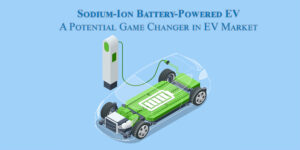
Sodium-ion batteries work like lithium-ion but swap lithium for sodium as the charge carrier. Sodium ions move between the anode and cathode during charge and discharge. The chemistry tolerates wider temperature ranges and is far less prone to thermal runaway. Translation for users: safer batteries with lower fire risk.
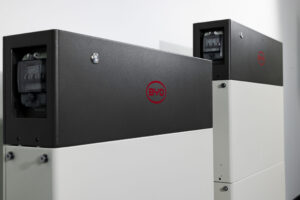
The trade-off is energy density. You get less power per kilogram. BYD’s insight was that homes and buildings care more about cost, safety, and lifespan than about squeezing every watt into a tiny space.
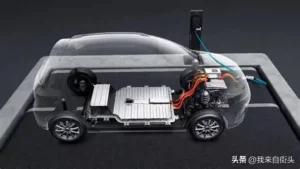
The system integrates with rooftop solar, off-peak grid power, and backup use cases. Software handles load balancing and predictive charging. It is cloud-connected but edge-reliant, meaning it continues to function even when networks are unavailable.
What Entrepreneurs Should Learn
1. Solve the real constraint, not the loud one.
The industry obsessed over energy density. BYD solved for safety, cost, and supply resilience. Those matter more at scale.
2. New markets open when inputs change.
Sodium kills dependence on scarce minerals. That unlocks local manufacturing, faster regulatory approvals, and pricing models that work in emerging markets.
3. Hardware wins now need software discipline.
The battery is the product. The management software is the moat. Predictive maintenance, grid interaction, and energy arbitrage turn a box into a platform.
4. Business models shift from sale to service.
This battery is not just sold. It is leased, bundled with solar, offered as energy-as-a-service, and financed through utilities. Recurring revenue beats one-time margins.
5. Capital intensity is real, but so is defensibility.
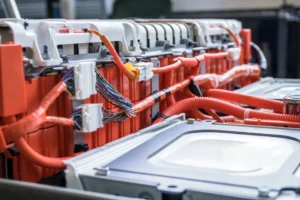
Battery manufacturing is expensive. But once built, switching costs are brutal. Long cycle life locks customers in for a decade.
Industries It Can Disrupt
Residential energy storage, telecom towers, data centre backups, EV charging hubs, and disaster-prone regions where grid reliability is poor. For countries racing to add renewables without destabilising grids, this is infrastructure, not a gadget.
Regulation and Competition
Sodium avoids many hazardous material restrictions tied to lithium. That shortens approval cycles. Expect competition from CATL, Northvolt, and utility-backed startups. The race will not be about chemistry alone but about integration with grids and cities.
Why This Matters Now
The world is electrifying fast, but the backbone is fragile. This battery does not promise sci-fi leaps. It promises something better. Reliability at population scale.
For entrepreneurs, the signal is clear. The next decade of tech will reward those who build boring-looking products that quietly hold the future together.


