
Summary
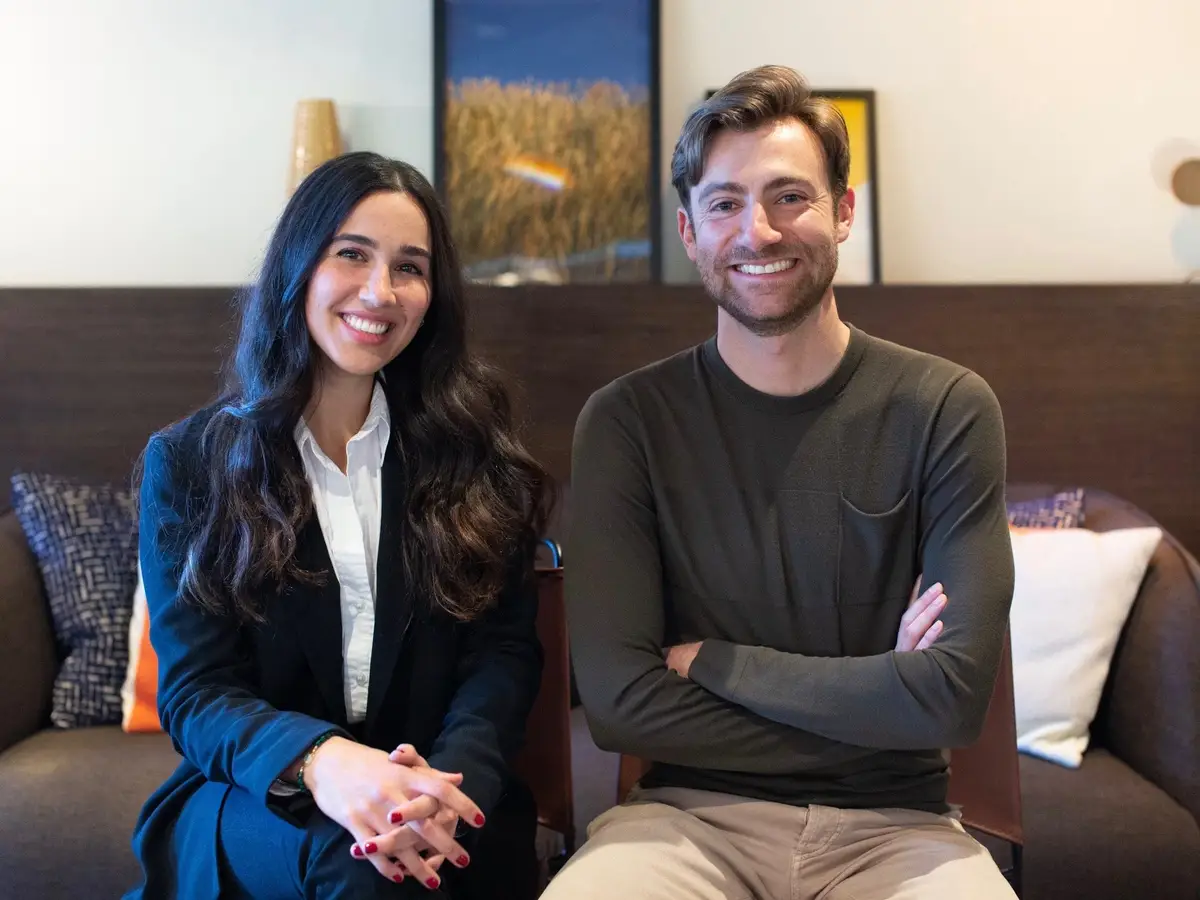
Amae Health was founded by Sonia García and Stas Sokolin after personal experiences with suicide, bipolar disorder, and mental illness revealed failures in the US mental health system. Instead of fast, virtual-first care, Amae chose long-term, in-person, team-based treatment for conditions like schizophrenia and bipolar disorder. Launched in Los Angeles in 2022, Amae now operates multi-state clinics and has raised over $50 million. Its model brings psychiatry, therapy, primary care, social work, and peer support together. Working with hospitals and insurers on value-based contracts, Amae lowers readmissions and boosts engagement. It is also using data, wearables, and AI to detect early relapse signs and personalise treatment. Amae’s goal is bold: move beyond symptom management and ask whether severe mental illness can one day be cured.

Built From Pain, Driven by Care
When Sonia García was 16, she lost her father to suicide. Years later, she watched her brother live with schizoaffective disorder, moving between jails and emergency rooms, never getting the care he truly needed. It showed her a harsh truth: the mental health system in the US does not just fall short; it leaves people behind.
Across the country, Stas Sokolin was living a similar story. His sister and father both struggled with bipolar disorder. They were in and out of hospitals, passed between doctors, and stuck in a system where treatment was broken, and no one stayed long enough to help them heal. They both knew the numbers. Around 15 million Americans live with severe mental illness. For many, the emergency room becomes their only option, and real recovery feels impossible.
In 2021, a mutual friend from Stanford introduced Sonia and Stas at the Japanese Tea Garden in San Francisco. Within an hour of talking, they made a quiet but powerful decision. If they did not try to fix this system, who would?
They named their company Amae, a Japanese word that means being able to rely on others to grow. What began as something deeply personal soon turned into a larger mission. In 2022, Amae Health opened its first clinic in Los Angeles. Three years later, the company has raised more than $50 million, including a $25 million Series B in November 2025. Today, Amae operates clinics across California, North Carolina, New York, and Massachusetts, with more planned for 2026.
Amae Health was born out of lived experience, determination, and a belief that high-quality, compassionate care should be accessible to those who need it most.

When No One Else Showed Up, They Did
García trained as a biomedical engineer at Rice and Stanford, then worked in healthcare consulting and at Brightline, a pediatric mental health startup. Sokolin came from a different lane. He spent years as an impact investor at the Chan Zuckerberg Initiative, worked at Google X, and later helped launch Zing Health, a Medicare Advantage company.
When they reconnected, one truth stood out. The mental health startups getting funded were not built for the people who needed care the most. Severe mental illnesses like schizophrenia and bipolar disorder did not fit the popular model of quick, virtual, scalable care. And because of that, they were being left behind.
From day one, the biggest pushback came from investors. Why in-person care? Why not fully virtual? Sokolin remembers those early meetings clearly. But both founders had seen the limits of telehealth up close. Severe mental illness cannot be treated with short programs or chatbot check-ins. It needs long-term, coordinated care. Psychiatrists, therapists, primary care doctors, dietitians, peer counsellors, and social workers working together, in one place, around one patient.
Their first real proof came from their Los Angeles clinic. The results were hard to ignore. Hospital readmissions within 30 days dropped below 4%, compared to a national average of 2%. Symptoms improved in 76% of patients with mania and 61% with psychosis. Most importantly, patients stayed engaged. People talked. Trust grew.
The real turning point came in December 2024. Cedars-Sinai, one of Los Angeles’s most respected health systems, did not just send patients. It invested $6 million. By then, NewYork-Presbyterian, Stanford Health Care, and Massachusetts General Hospital were already working with Amae. For García and Sokolin, it was a clear signal. The system they were building was not just compassionate. It worked.

Healing Takes Time, and Amae Is Okay With That
Most mental health startups chase what VCs want: fast user growth, low costs, and scalable software. Amae chose a different path. García calls it intentional growth. They avoided the winner-take-all rush that has hurt many mental health companies. Instead, they learned from One Medical, growing clinics slowly, building strong health system partnerships, and staying obsessed with real patient outcomes, then applied that thinking to psychiatry.

The High-Stakes Bet That’s Paying Off
Amae is expensive to run. Real estate and clinical staff cost real money. But the company is betting on one thing, that insurers will pay more for care that actually works. Amae signs value-based contracts with Blue Shield of California, Aetna, Anthem, and Cigna. The promise is simple. Keep the sickest, most expensive patients out of ERs and hospital beds. Early results look strong. Readmissions are down, and insurers are expanding their deals.

When AI Learns to Care Before Humans Can
Amae is rethinking mental healthcare by building precision medicine on Palantir Foundry. It pulls data from wearables, patient records and regular assessments to create “digital phenotypes”, clear patterns that show how each person’s symptoms behave, so care can be truly personal.
In 2026, three AI tools are coming: quick patient snapshots, point-of-care alerts that spot trouble before relapse, and deeper symptom pattern analysis. This is not AI replacing doctors. It is AI watching what humans cannot: sleep, heart rate, stress signals across hundreds of patients at once. In a study led by García, wearables caught early warning signs that weekly check-ins missed, helping teams step in before patients reached crisis or needed hospital care.
Built by People Who Actually Care
Amae hires clinicians tired of the churn in fee-for-service psychiatry. Led by Chief Medical Officer Dr Scott Fears, who comes from the VA community mental health. The goal is simple: fewer patients, more time, real recovery. Many team members have seen serious mental illness up close in their own families. That makes the work personal. They are not chasing flashy exits. They are chasing five-year remissions.

From Crisis to Care
Amae grows by partnering with hospitals. Its community health workers meet patients in emergency rooms during their hardest moments, earn trust, and guide them into long-term outpatient care. This model is simple, human, and tough to copy. By mid-2026, Amae plans new clinics in Houston, Boston, Charlotte, and Brooklyn, each tied to academic hospitals that drive referrals and joint research through the Amae Institute, focused on cures, not just care.

Built to Last When Money Ran Out
When funding dried up in 2023, many mental health startups collapsed. Amae didn’t. It survived by sticking to basics that actually matter: strong clinical results, solid payer partnerships, and careful, focused growth. It’s Series A, led by Quiet Capital with support from former One Medical CEO Amir Dan Rubin, which backs this slow and steady approach. The real signal came with Series B. Altos Ventures led a pre-empted round, with investors coming to Amae first, a rare vote of confidence in 2025’s cautious market.

Daring to Ask the Hardest Question: Can Mental Illness Be Cured?
Amae is chasing a bold idea. It wants to treat severe mental illness the way cancer is treated, with the goal of a cure, not lifelong control. By 2026, the company plans to work closely with top research hospitals like Stanford and Mass General to study why some patients do not respond to standard treatments. By combining genetics, clinical data, and daily health signals, Amae hopes to understand patterns that medicine has missed for decades.
Every patient will use wearable devices. These will track sleep, activity, and other signals over time. The aim is simple but powerful: to spot warning signs early. For example, disrupted sleep might predict a manic episode days before it happens. The data could also explain why drugs like lithium work well for some people and not at all for others.
Amae is also testing AI tools to support therapy between sessions. These tools act like guided homework, helping patients stay engaged while sharing feedback with clinicians. The vision is not to replace therapists, but to support them, the way physical therapy combines in-person care with exercises done at home.
For founders and investors, Amae carries a deeper lesson. Not every meaningful company grows fast or fits a typical startup playbook. Some problems take time, physical presence, and deep trust. Severe mental illness is one of them. Amae’s founders, García and Sokolin, built the company from personal pain and risked their reputations to follow a slower, harder path. Three years in, their approach is starting to show results.
By 2026, Amae aims to be more than another mental health startup. It wants to set the benchmark. A company that dared to ask whether severe mental illness could be cured, and then built the system needed to search for that answer.