No protests. No breaking-news tickers. No dramatic collapses on TV.
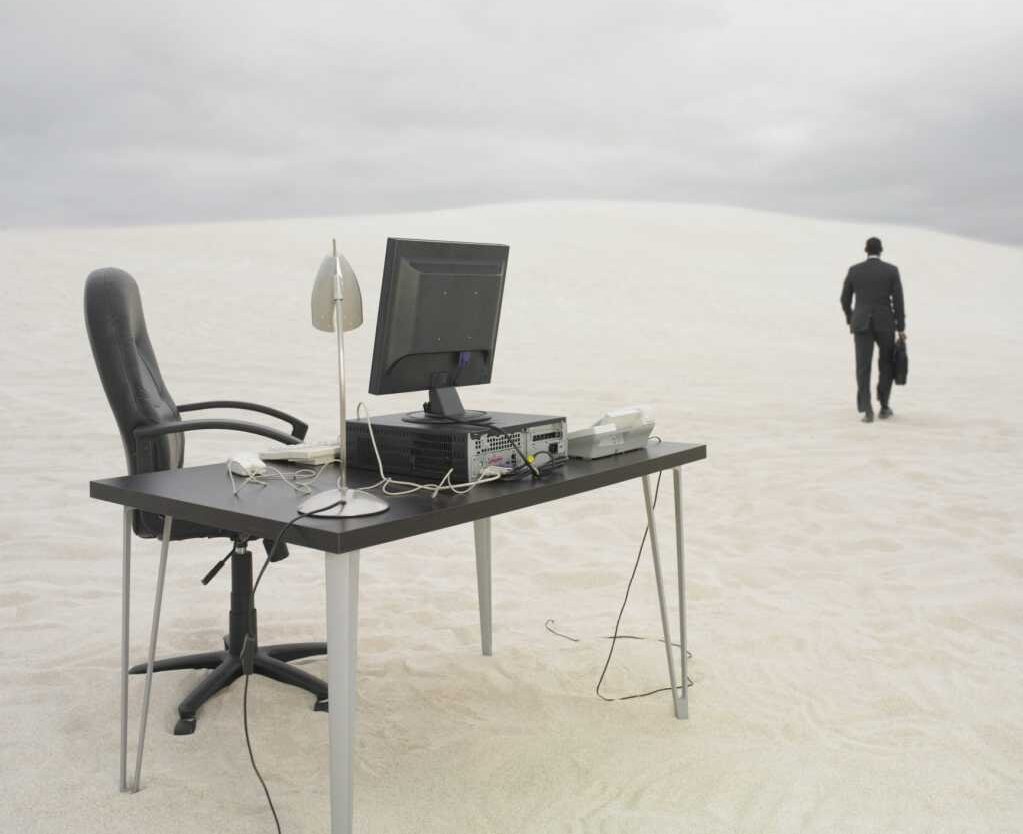
Yet one of the biggest shifts in today’s business atmosphere is happening quietly, floor by floor, building by building. Commercial real estate, once the safest, most boring asset class in global business, is being rewritten in real time.
And everyone from banks to governments is watching closely.

The Office Is No Longer the Centre of Gravity
For decades, office space was certainty. Companies signed long leases. Banks lent happily. Cities planned around nine-to-five foot traffic.
Then remote and hybrid work stopped being a phase and turned into behaviour.
In cities like New York City and London, vacancy rates remain stubbornly high. Even prime locations are struggling to fill space at pre-2020 prices. Businesses haven’t abandoned offices, but they’ve resized expectations.
Fewer days. Smaller footprints. More flexibility.
The old model assumed people would always return. The new reality accepts they won’t.

Debt Is the Real Pressure Point
The real problem isn’t empty desks. It’s refinancing.
A massive chunk of commercial real estate debt was taken during the low-interest-rate era. Those loans are now maturing into a very different rate environment. Higher borrowing costs mean many buildings no longer make financial sense at current valuations.
This is why investors like Blackstone have been selective, cautious, and in some cases openly pessimistic about office-heavy portfolios.
Banks are exposed. Not explosively, but uncomfortably.
Nobody wants a crisis headline. Everyone wants extensions, restructures, quiet deals. This is slow stress, not fast collapse.

The WeWork Effect Still Lingers
Flexible office players once sold a vision of infinite demand. Reality was less poetic.
The rise and fall of WeWork changed how landlords, lenders, and corporates think about space risk. Long-term leases backed by short-term memberships suddenly look fragile.
Since then, flexibility hasn’t disappeared, but trust has been recalibrated. Landlords now prefer hybrid models, partial revenue sharing, or shorter commitments rather than all-in bets.
The lesson stuck. Permanently.

Cities Are Rethinking Their Identity
Empty offices don’t just hurt landlords. They hurt cities.
Less foot traffic means weaker retail, lower public transport usage, reduced tax revenues, and quieter downtowns. As a result, governments are stepping in.
Some cities are pushing office-to-residential conversions. Others are offering incentives for companies to bring workers back at least part-time. Zoning laws are being revisited, slowly, cautiously.
Commercial real estate is no longer just a private market problem. It’s an urban planning issue.

Winners Exist, Just Not Where You’d Expect
This isn’t a total collapse story. It’s a redistribution.
Prime, modern buildings with energy efficiency, good transit access, and flexible layouts are still in demand.
Life sciences, healthcare, and data centres are absorbing capital that once flowed into offices.
Logistics and warehousing continue to benefit from e-commerce and supply chain reconfiguration.
Old buildings with poor energy ratings and rigid layouts are the ones bleeding. Newer assets are quietly consolidating power.
Real estate is becoming less about location alone and more about usability.
Why the Business World Should Care
Commercial real estate sits under everything.
It touches banks, pensions, insurance companies, municipal budgets, and corporate balance sheets. A prolonged reset affects lending appetite, investment confidence, and even hiring decisions.
When office leases shrink, companies feel more agile. When property values fall, lenders feel more cautious. When cities lose density, local economies change shape.
This isn’t about buildings. It’s about how work, money, and cities interact.
The Mood of 2026, Captured in Concrete
Commercial real estate today mirrors the wider global business mood. Less certainty. More renegotiation. Fewer assumptions. More realism.
The world isn’t rushing back to the old normal. It’s learning to operate without it.
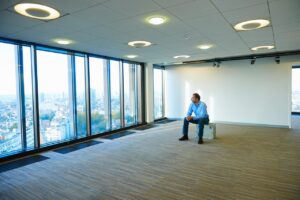
The offices aren’t empty because work disappeared.
They’re empty because work evolved.
And the businesses that understand this shift, quietly, pragmatically, without nostalgia, will navigate the next decade far better than those waiting for desks to refill on their own.