
From a Milan shop to a global idea
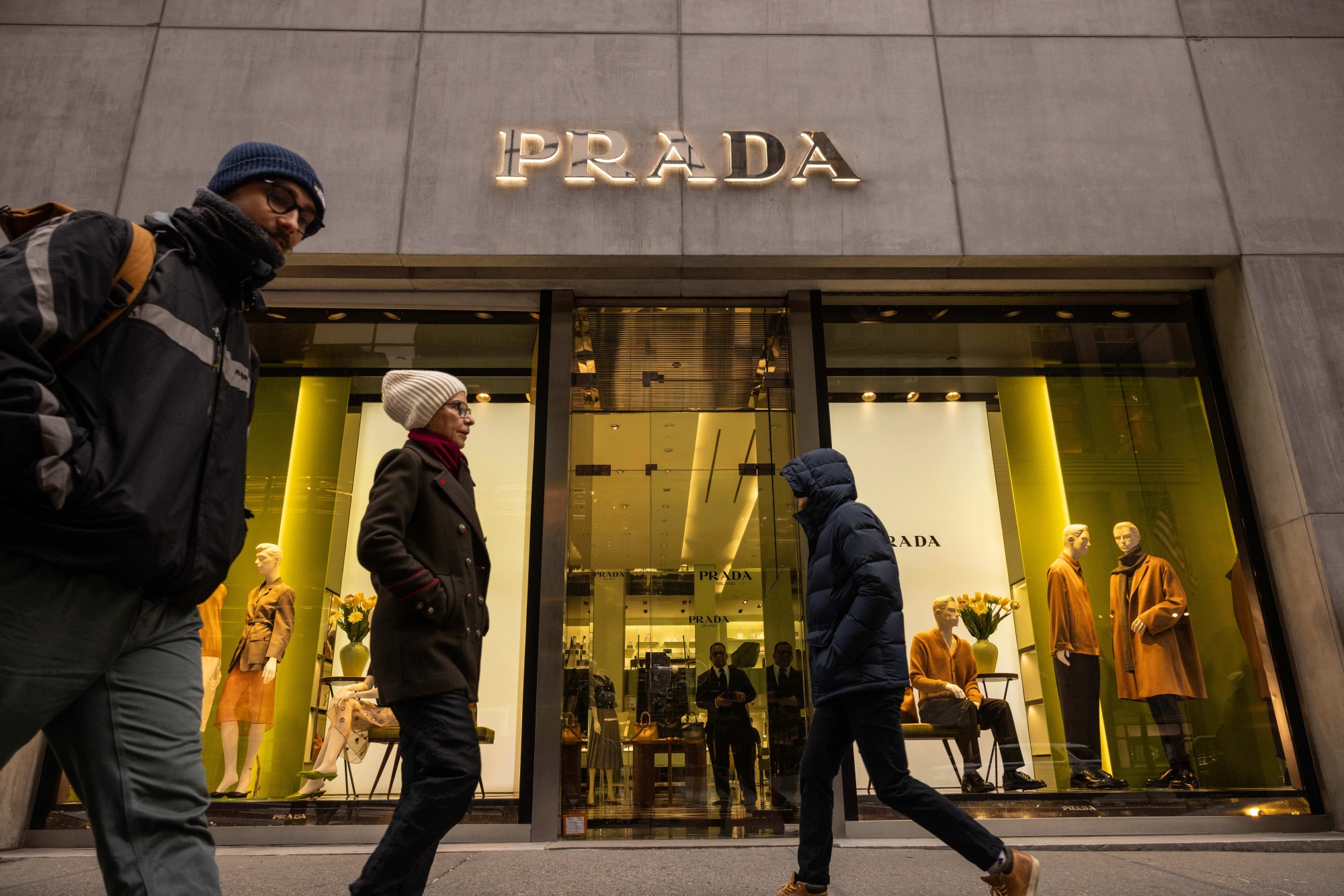
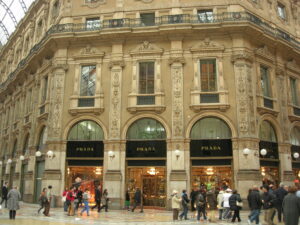
Prada started in 1913 as a small leather goods shop in Milan’s Galleria Vittorio Emanuele II. For many years it remained a quietly admired name, not the loudest in luxury. The real change came when Miuccia Prada, who trained as a mime and had been active in left-wing politics, joined the family business and met Patrizio Bertelli in the late 1970s. Their partnership combined Miuccia’s creative curiosity with Bertelli’s strong business sense, and together they reshaped Prada into a modern luxury brand that values subtlety and intelligence over show-off glamour.

The aesthetic that disarmed the world
Prada’s style was never about big logos or loud branding. Instead it offered a quiet kind of elegance: clean lines, unusual materials, an “ugly-chic” twist that made people think differently about beauty. One landmark moment came in 1985 when the brand launched a black nylon bag practical, tough and yet luxurious. That bag helped change the idea of what “luxury” could be: it did not have to mean ornate trimmings. It could be smart, purposeful and modern.

Turning points that mattered
Several decisions changed the course for Prada. In the late 1980s the brand moved from just accessories into ready-to-wear fashion. It listed publicly and started expanding globally. More recently, the 2020 appointment of Raf Simons as co-creative director signalled a fresh chapter: it showed Prada could maintain its intellectual edge while opening to new styles, and also hinted at succession planning as the founding duo considered what comes next.

Business grit behind the glamour
Prada’s growth has not been a straight upward line. The brand faced dips in demand, pressure from fast-fashion and consolidation in the luxury world. But through careful retail investment, clear product focus and reading market trends well, Prada bounced back. In 2024 the group reported revenues of about €5.4 billion, marking several years of strong growth even while parts of the luxury market were cooling. With that steadiness Prada acquired the luxury fashion house Versace in 2025, showing its ambition to lead in Italian luxury.

A house that bets on responsibility
Prada’s comeback is matched by a shift in materials and processes. The “Re-Nylon” project, which remakes plastic from oceans and landfills into nylon, is more than a marketing line: it shows Prada wants sustainability built into its product story. By making the material part of the conversation, the brand steps away from being luxury for luxury’s sake and asks what luxury means in a changing world.

Anecdotes that reveal character
Patrizio Bertelli is the kind of CEO who once bought a key supplier just to ensure production quality rather than depend on market promises. Miuccia, meanwhile, still runs Prada’s cultural wing, Fondazione Prada, as if the brand should always be in dialogue with art and ideas. Together they’ve been described as a power couple who argue about craftsmanship over breakfast and agree on business discipline by lunch. Those everyday habits tell us why Prada stayed daring while grounded.

What’s next
Today Prada stands at an interesting crossroad. Strong growth gives it options from stepping up sustainability to investing in digital experiences to growing through new brands. The Versace acquisition shows big ambition, but with that come bigger challenges: how to preserve Prada’s thoughtful edge while managing a multi-brand group. Whether the house remains a “quiet radical” or turns into a standard corporate giant depends on how it handles this chapter.
Final note
Prada’s story matters because it shows luxury isn’t only about price tags and glitz. It’s about an ongoing conversation with culture, taste and meaning. For a brand that began in a Milan arcade, Prada now writes its own rules across culture, business and responsibility and does so with the same restless intelligence that Miuccia Prada brought from the stage and the streets.


