
A First Among Peers
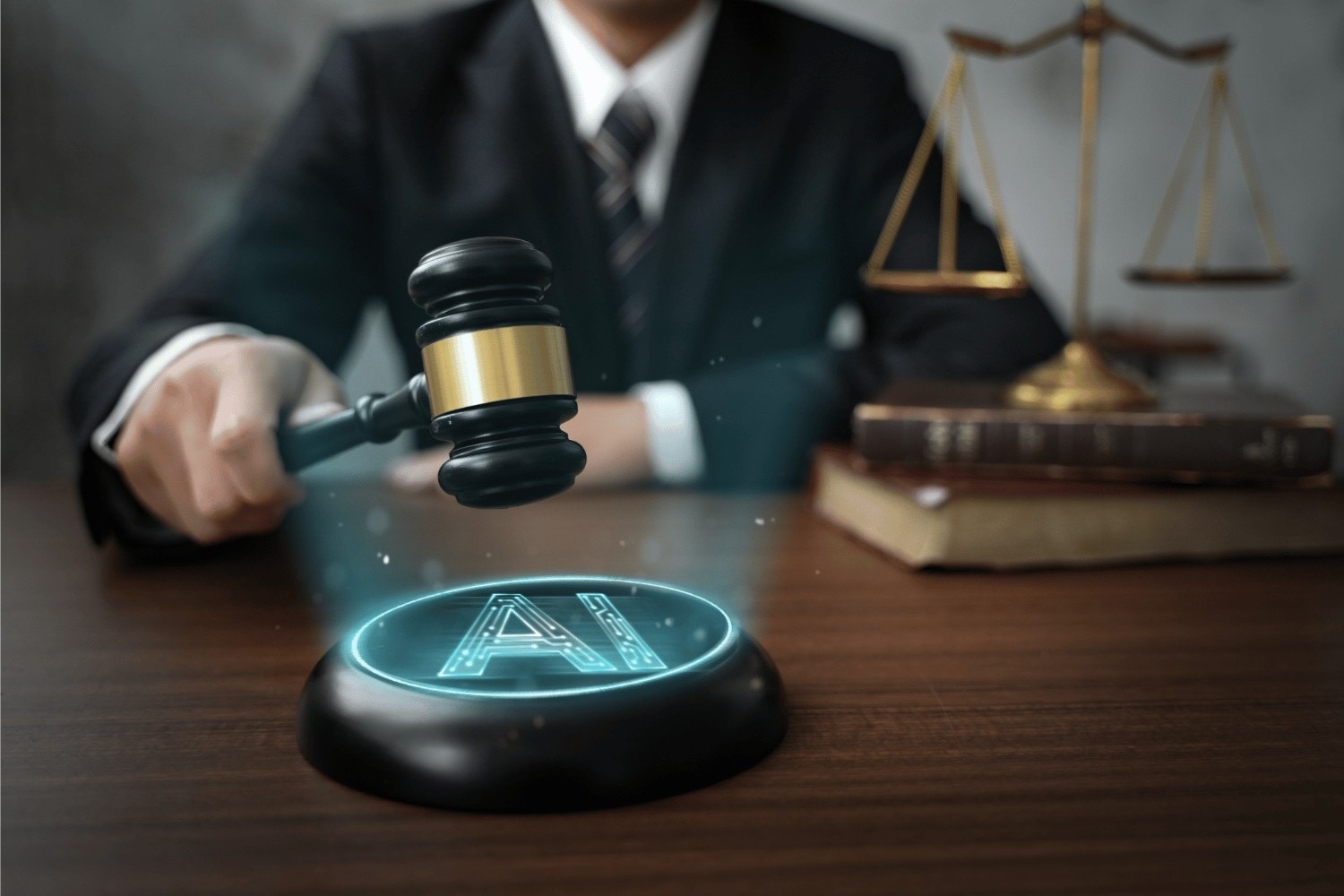
On 10 October 2025, Italy made history by becoming the first country in the European Union to pass its own national AI law. This is not just about rules, it’s about Italy choosing to shape how AI grows, carefully and responsibly.

What the Law Says
Any AI system used in important or “high-risk” areas must have a human supervising it.
The decisions made by AI must be traceable; you should be able to know how and why an AI system reached a conclusion.
Children under 14 will need parental consent before using certain AI services.
If someone misuses AI in a harmful way (for example, making deepfakes or using it for fraud), there are criminal penalties, including up to five years in jail.
New authorities at the national level will now watch over AI. But existing regulators like the Bank of Italy will keep watching over specific areas such as finance.

Money Talk: Incentives & Investments
Italy is also putting its money where its mouth is. The law plans a €1 billion fund to support projects in AI, telecoms, and cybersecurity. For Italian startups, that’s a big opportunity. For investors worldwide, it’s a signal: Italy wants to build real AI strength, but it’s not going all-out like the U.S. or China.
Some critics say the fund is small compared to the ambition, but the idea is clear: Italy is serious about balancing control with innovation.

Why This Matters Outside Italy
1. Rule clarity. The EU’s AI Act gave everyone broad guidelines. But companies still wondered: who will enforce what, and where? Italy’s law fills in a lot of those blanks.
2. Global impact. Many AI services are built by global teams. Indian tech vendors working with European clients will now need to think deeply about how they build and audit AI systems.
3. New business paths. There will be demand for third-party audits, traceability tools, and “human-in-the-loop” systems. That is a potential opportunity, especially for Indian startups and service providers.

The Politics Behind It
The law is being sold as “human-centered AI.” But there’s more to it: Italy is also protecting its national interest in a critical tech space. It’s not just regulation, it’s industrial policy. This matters in a Europe where countries increasingly want their own voice in global technology.
Regulation is no longer just a burden. It’s becoming a way to compete.

What Should Businesses & Investors Do Now?
For AI founders & CIOs: You need to map out how your models work. Document who oversees decisions, and plan for audits.
For IT vendors: Be ready for tougher clauses in contracts. European clients may demand more transparency and controls.
For investors: Assess your bets not just in terms of product potential, but also how resilient they are to regulation. Long-term value will likely depend on regulatory soundness.

Bigger Picture: What’s Next in Europe?
Italy may not be alone for long. Other EU nations are watching closely. Some may follow their own national AI laws. The big question: will Brussels allow a patchwork of different national laws, or force everyone to play by a single EU-wide rulebook?
Italy’s new AI law feels like a turning point. It’s not about stopping innovation — it’s about steering it. By putting accountability, human oversight, and real penalties front and center, Italy is trying to build an AI ecosystem that is safe, fair, and globally competitive. For Indian firms, investors, and tech leaders, it’s the kind of development you can’t ignore.