How a pop star rewrote the rules of global beauty and fashion business
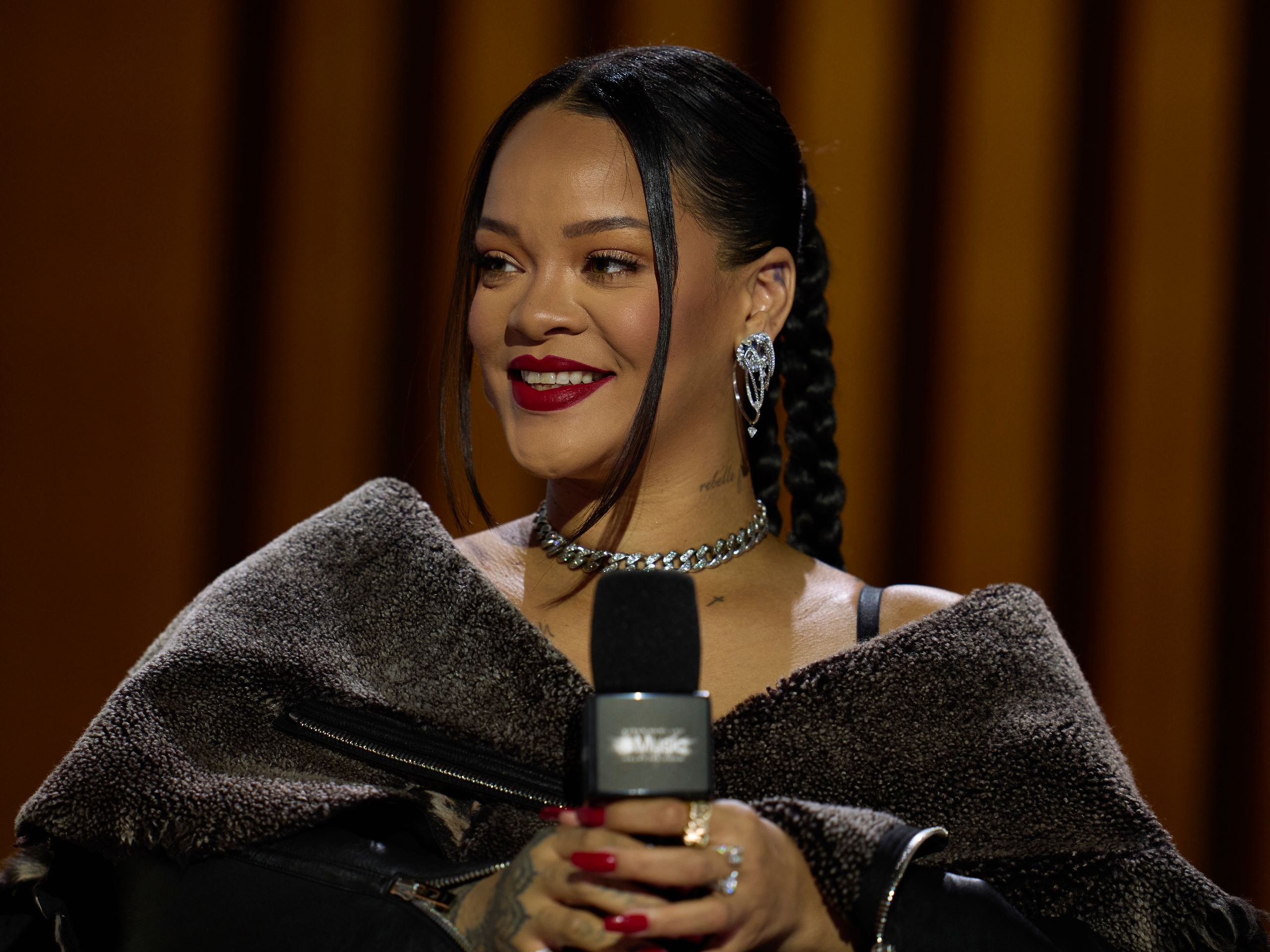
When Rihanna walked away from music to build Fenty Beauty, most people thought it was a celebrity side project. Eight years later, her brand is still rewriting the rules of consumer business. She’s not just a pop icon with a cosmetics line. She’s the architect of one of the most influential shifts in global beauty and fashion over the last decade.
Born Robyn Rihanna Fenty in Barbados, she grew up helping her father sell clothes in a small street stall, a humble training ground that quietly taught her the rhythm of commerce. That early instinct for what people want would one day reshape two multi-billion-dollar industries.

The Beauty Revolution
In 2017, Rihanna launched Fenty Beauty with one radical idea: everyone deserves to find their shade. It wasn’t a marketing gimmick, it was a market correction. For decades, darker-skinned customers were an afterthought in beauty aisles. Fenty arrived with 40 foundation shades and a tone of inclusivity that felt authentic, not staged.
The launch exploded online. Sephora stores sold out. Influencers raved. Competitors scrambled to expand their shade ranges. Within a year, Fenty Beauty made over $550 million in revenue. “It changed the conversation in boardrooms everywhere,” said one LVMH insider in an interview later that year.
Fast forward to 2025. Reports now suggest LVMH, which owns half of Fenty Beauty, is exploring a partial sale valuing the brand between $1 and $2 billion, proof that Rihanna’s vision has matured into a stable, global business.

Building Sideways, Not Up
Rihanna’s business journey hasn’t been a straight climb. It’s been a clever spread of risk. After conquering beauty, she entered lingerie with Savage X Fenty in 2018, aiming to make “sexy” more inclusive and body-positive.
The shows became cultural events, featuring plus-size models, trans women, and people of colour on the same runway as supermodels. More importantly, Savage X Fenty mixed pop spectacle with sharp business logic: direct-to-consumer sales, subscription memberships, and influencer-led content.
By 2021, the company hit unicorn status after raising $115 million in funding. Venture firms backed it not because Rihanna was famous, but because the business fundamentals worked.
“She didn’t just launch a brand. She built an ecosystem,” says brand strategist Mira Shah. “Fenty is about choice, identity, and culture, all packaged as commerce.”

The Miss and the Lesson
Not everything glittered. In 2019, Rihanna launched Fenty Maison, a luxury fashion label under LVMH, the first new house under the group in 30 years. The hype was massive. But within two years, the brand was quietly shut down.
Luxury fashion is brutal. High inventory costs, long design cycles, and a small, elite audience make it unforgiving. Fenty Maison didn’t gain traction fast enough to justify its burn rate.
For most celebrities, that would’ve been a headline failure. For Rihanna, it was a calculated experiment. She paused the project, redirected resources to where the numbers worked, and learned from the misfire.
“Rihanna treats business like music,” said a former Fenty executive. “She’s willing to remix, to cut a verse, to start again.”

From Star Power to Staying Power
What separates Rihanna from most celebrity founders is ownership. She doesn’t license her name for quick cash. She holds equity, stays involved, and understands that credibility takes consistency.
That mindset kept her companies resilient when the economy turned volatile. While many influencer brands faded after the pandemic, Fenty doubled down on data, sustainability, and product diversification, from skincare to fragrance.
The payoff: a global community that feels emotionally invested. Customers don’t just buy a foundation; they buy into a story of visibility and confidence.
In an age where brand trust is eroding, that emotional capital is priceless.

Shaping the New Business Playbook
Rihanna’s journey reflects a broader shift in how global businesses are built today. Traditional conglomerates now look to culturally fluent founders to stay relevant with Gen Z consumers. Venture investors, once wary of celebrity-backed startups, now see them as gateways to new markets, provided the founders have skin in the game.
Her partnership with LVMH remains a masterclass in balancing art and arithmetic: creativity with corporate discipline. While LVMH brings supply chain power, Rihanna brings culture. It’s an equation few partnerships achieve at scale.
But 2025 has tested that equilibrium. With reports of LVMH exploring a stake sale and some market softening in Asia, analysts say the Fenty empire faces its “second act test.” Can it sustain momentum without Rihanna’s constant presence or the early novelty factor?
If history is any guide, she’ll adapt. She’s already expanding Fenty Beauty into wellness and hybrid skincare, areas projected to dominate consumer spending through 2030. Savage X Fenty, too, is moving toward an IPO, according to whispers in business circles.

The Cultural Dividend
Beyond balance sheets, Rihanna has changed how brands talk about inclusion. Her influence forced corporate giants to rethink their product lines and representation strategies.
In that sense, Fenty isn’t just a company. It’s a cultural intervention. It proved that authenticity sells and that good business can also be good sociology.
When asked about her secret, Rihanna once told Vogue, “I make things I wish I had growing up.” That single line may explain her entire business philosophy: build from empathy, scale with purpose.

The Final Word
At 37, Rihanna stands as a rare hybrid; artist, entrepreneur, and investor who bridged the worlds of culture and commerce without losing her identity. Her story reminds the business world that the next billion-dollar idea might not come from Silicon Valley, but from a woman who once sold lipstick with a pop star’s confidence and an economist’s intuition.
She didn’t just build a brand. She built belonging and turned it into business.