
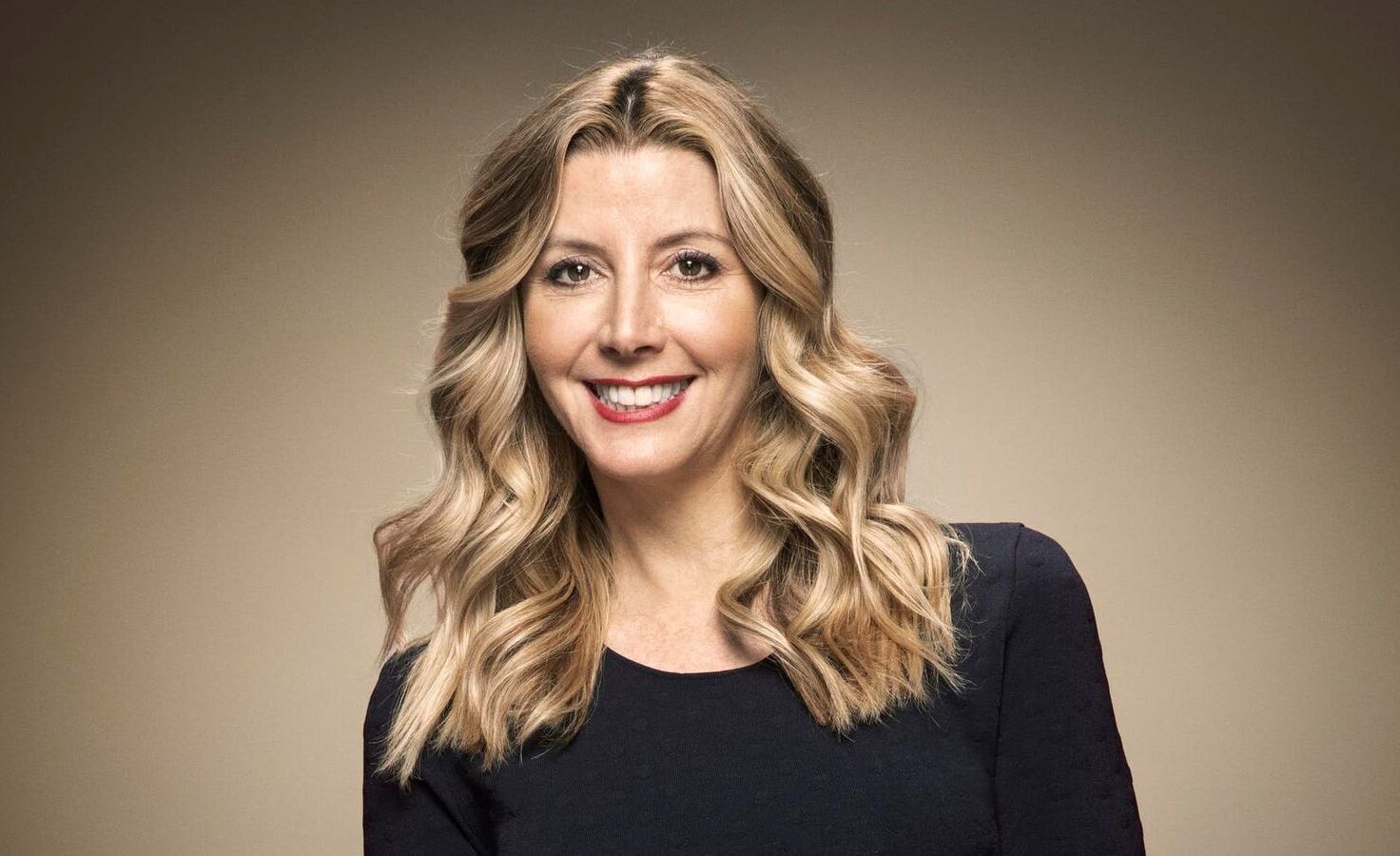
“I didn’t just cut pantyhose; I cut the path to becoming a global icon.”
-Sara Blakely
When Sara Blakely grabbed a pair of pantyhose in her Atlanta apartment and sliced off the feet, she had no idea she was on the verge of building an empire. But that impulsive experiment in 2000 that came out of sheer discomfort in open-toed shoes was the spark for Spanx, the brand that would change the way women dress, feel, and even think about shapewear.
Today, Spanx is more than just a footless pantyhose. It’s become a full lifestyle business: bras, leggings, activewear, even suits. And under Blakely’s leadership, it evolved into a global brand. In 2021, when Blackstone bought a majority stake, the company was valued at $1.2 billion. Blakely didn’t just cash out; she stayed on as executive chairwoman. The woman who started with $5,000 in her savings now helms an international empire.

From Doors to Dreams
Blakely’s early years read like a bootstrapped entrepreneur’s playbook. After graduating in communications from Florida State University, she took odd jobs first at Walt Disney World, and then door-to-door selling fax machines. In both, she learned a critical lesson: how to deal with “no.” Rejection became her training ground.
It was during her late 20s, still at Danka selling fax machines, that she came home frustrated with pantyhose that poked out of her strappy sandals. So she cut off her feet. When the fabric rolled up, she thought, “There’s got to be a better way.” That curiosity turned into relentless tinkering. She wrote her own patent, called hosiery mills, and pitched her prototype to manufacturers across North Carolina.
She was met with silence. Hose mills weren’t used to dealing with a 27-year-old woman in jeans, let alone someone who wanted to reinvent their own product. She persisted. And finally, a mill operator, encouraged by his daughters, agreed to take a chance.
Going Big, Staying Scrappy
With no backing, Blakely built her sales pitch and her brand by herself. She modelled Spanx for shop buyers, went on road trips, knocked on department-store doors, and convinced Neiman Marcus to place her footless hose. She didn’t advertise; instead, she relied on her own charm and hustle.
Her big break arrived when Oprah Winfrey featured Spanx in her “Favourite Things” list in late 2000. Immediately, demand shot up. Sara quit her job, went full-time on Spanx and never looked back.
By her second year, revenue crossed $10 million. And by 2012, she became the youngest self-made female billionaire without raising a single round of external funding.

Scaling Up, With Heart
Scaling Spanx to a global business was both vision and grit. Under Blakely, the company expanded beyond its hosiery roots into shapewear, activewear, and even suits, all while staying true to its promise: comfort + confidence. She didn’t just build a brand, she built a culture.
When Blackstone came calling in 2021, she structured the deal thoughtfully. She remained executive chairwoman, and what followed was telling of her leadership: she gifted every one of her 750 employees $10,000 in cash, and two first-class tickets to any destination they wanted. That kind of generosity is rare in private equity exits.
Empathy, Purpose, and Giving Back
Blakely’s leadership isn’t just about profit. She has often spoken about how important it was for her to empower others, especially women. In 2006, she founded the Sara Blakely Foundation, which supports entrepreneurial education and opportunities for women. She also signed the Giving Pledge, committing to give away at least half her wealth.
Her style at Spanx reflects the same authenticity she started with fun, bold, and deeply human. Employees often say she encourages vulnerability, risk-taking, and creativity.

Why Her Story Matters in Today’s Landscape
In a world that increasingly values purpose-driven business, Blakely was ahead of her time. She built a global business without traditional investor pressure, stayed true to her vision, and used her success to uplift others. Her journey challenges the myth that you need deep-pocket VCs, a pedigree, or even prior experience to build something massive.
And for Indian women entrepreneurs dreaming big the lessons are crystal clear. Identify a real problem, hustle with heart, refuse to be boxed in, and when you succeed, bring others up with you.

Turning Points & Lessons
1. Zero outside funding: Blakely grew Spanx organically until Blackstone came in.
2. Customer-first design: She built products that solved her own problem and resonated with millions.
3. Resilience: Facing repeated rejections from factories, she persisted until she found a partner.
4. Giving culture: Her leadership style values both results and people, exemplified in how she shared her windfall.
5. Purposeful growth: Her foundation reflects her belief that business success and social impact can go hand in hand.
Sara Blakely’s story is not just about building a shapewear brand. It’s about growing an international business on her terms, turning frustration into invention and generosity into legacy. In her own words: “I believe in dreaming big, but never forgetting where you came from.”
That empathy, ambition, and grit have built Spanx not just into a billion-dollar company, but into a model of what entrepreneurship can and should be.


