
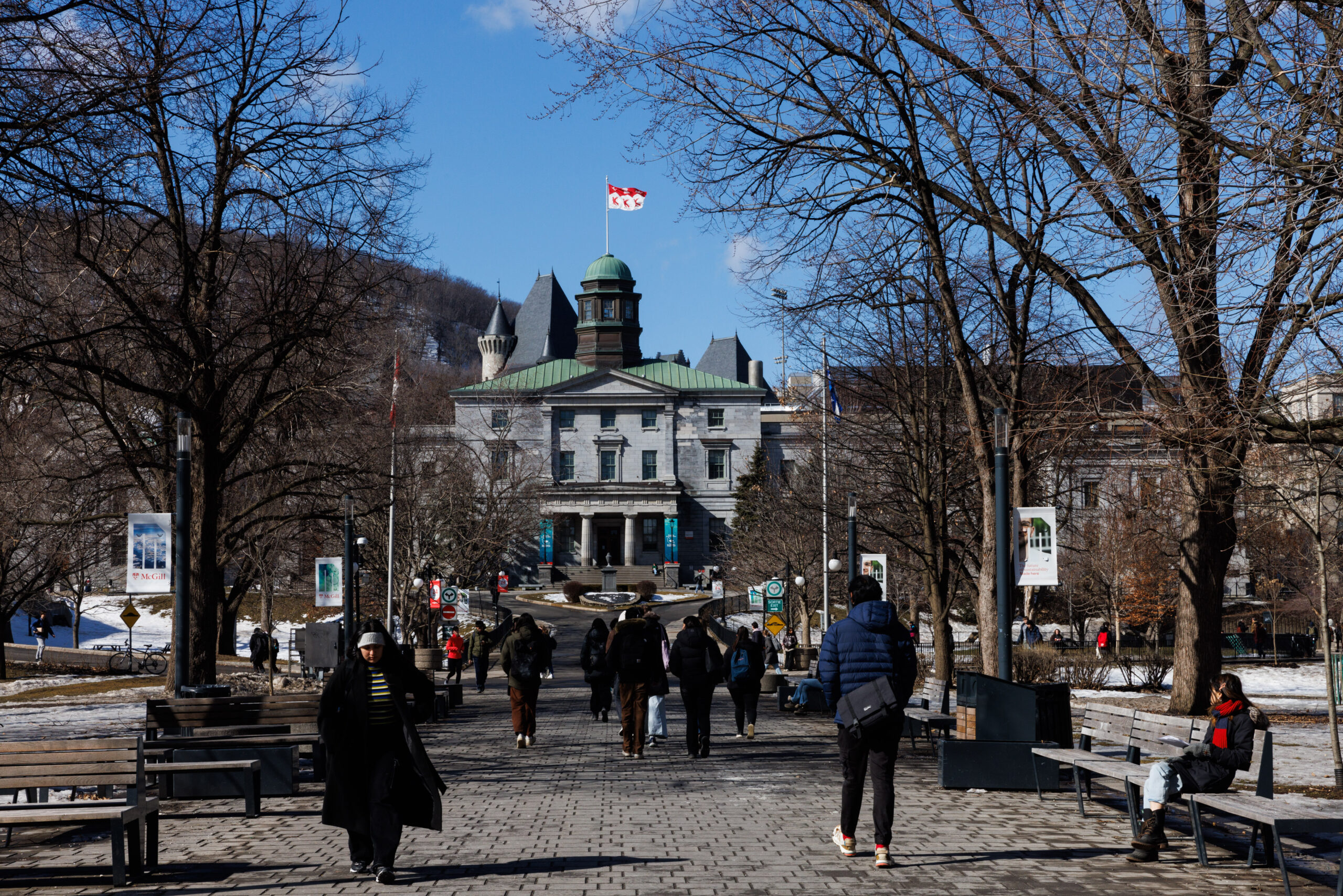
After a battle over immigration policies and international student visas, fewer new international students chose to study on U.S. college campuses this fall, which comes at a significant economic cost. In the fall 2025 semester, the tally of new international students studying in the U.S. sank 17%, according to a fall snapshot from the U.S. Department of State and the Institute of International Education released earlier this month.

Altogether, international students at U.S. colleges and universities contributed nearly $55 billion to the U.S. economy over the 2024-25 academic year, including tuition revenue as well as student spending, according to the IIE’s Open Doors report. This year’s sharp enrollment decline largely due to the Trump administration’s changes to the student visa policy is projected to cost the economy $1.1 billion, according to a separate analysis from NAFSA: Association of International Educators.

A separate analysis by Implan, an economic software and analysis company, found that when accounting for the direct loss of student spending as well as the ripple effects across the economy, the drop in enrollment amounts to a nearly $1 billion loss to gross domestic product. “International students do far more than attend classes they sustain local economies,” said Bjorn Markeson, an economist at Implan. “Their spending supports thousands of jobs, stimulates local businesses, and generates tax revenue that underpins community services.”

Before the Trump administration put a temporary pause on new visa applications in the spring, there were nearly 1.2 million international undergraduate and graduate students in the U.S., mostly from India and China, making up about 6% of the total U.S. higher education population, according to the Open Doors report.