
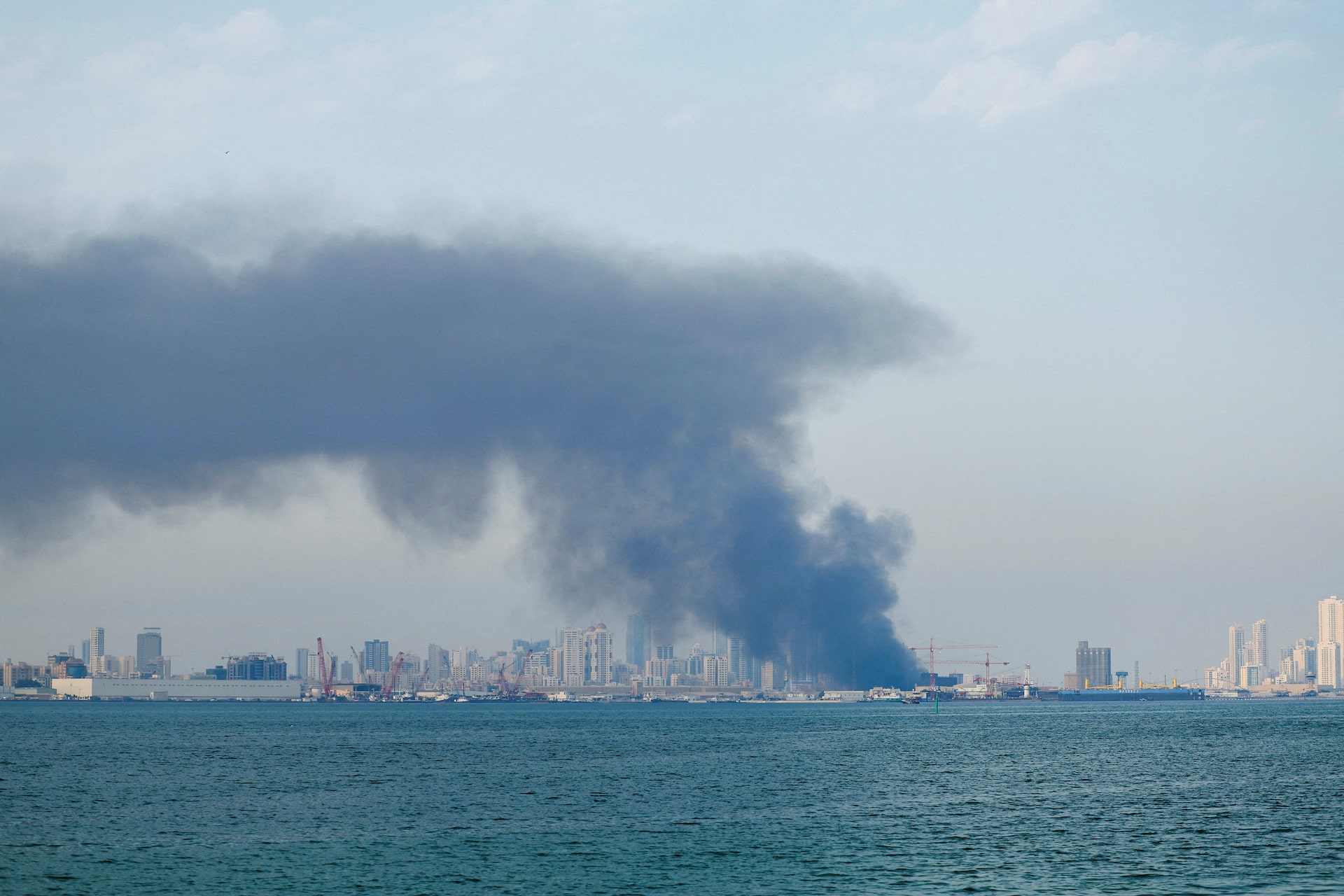
The airline and tourism industries scrambled to deal with the fallout from the escalating U.S. and Israeli air war against Iran, while governments rushed to bring stranded travellers home from the Middle East following the cancellation of more than 20,000 flights in recent days.
Major Gulf hubs, including Dubai, the world’s busiest international airport, remained closed or severely restricted for a fourth day, leaving tens of thousands of passengers stranded. According to Flightradar24, some 21,300 flights have been cancelled at seven major airports, including Dubai, Doha and Abu Dhabi, since the strikes started.
The attacks have upended travel across a growing region with several thriving business hubs that are trying to diversify away from oil-dominated economies. The turmoil also narrows an already-slim flight corridor for long-haul flights between Europe and Asia, complicating operations for global air carriers. Stranded travellers across the Gulf rushed to secure seats on a limited number of repatriation flights as governments moved to bring passengers home, even as explosions tore through Tehran and Beirut. Emirates, flydubai and Etihad have been operating a limited number of flights since Monday, mostly to repatriate stranded passengers.
“It’s pretty well the biggest shutdown we’ve seen certainly since the COVID pandemic,” said Paul Charles, CEO of luxury travel consultancy PC Agency, adding that beyond passenger disruption, the cargo impact would run to “billions of dollars.” Many passenger airlines also move cargo in their aircraft bellies, resulting in disruptions to air freight. Cargo specialist FedEx said by email it was using “contingency measures” in the Middle East, which it did not describe, after saying earlier in the day that it had resumed pickup and delivery services in the region where possible.