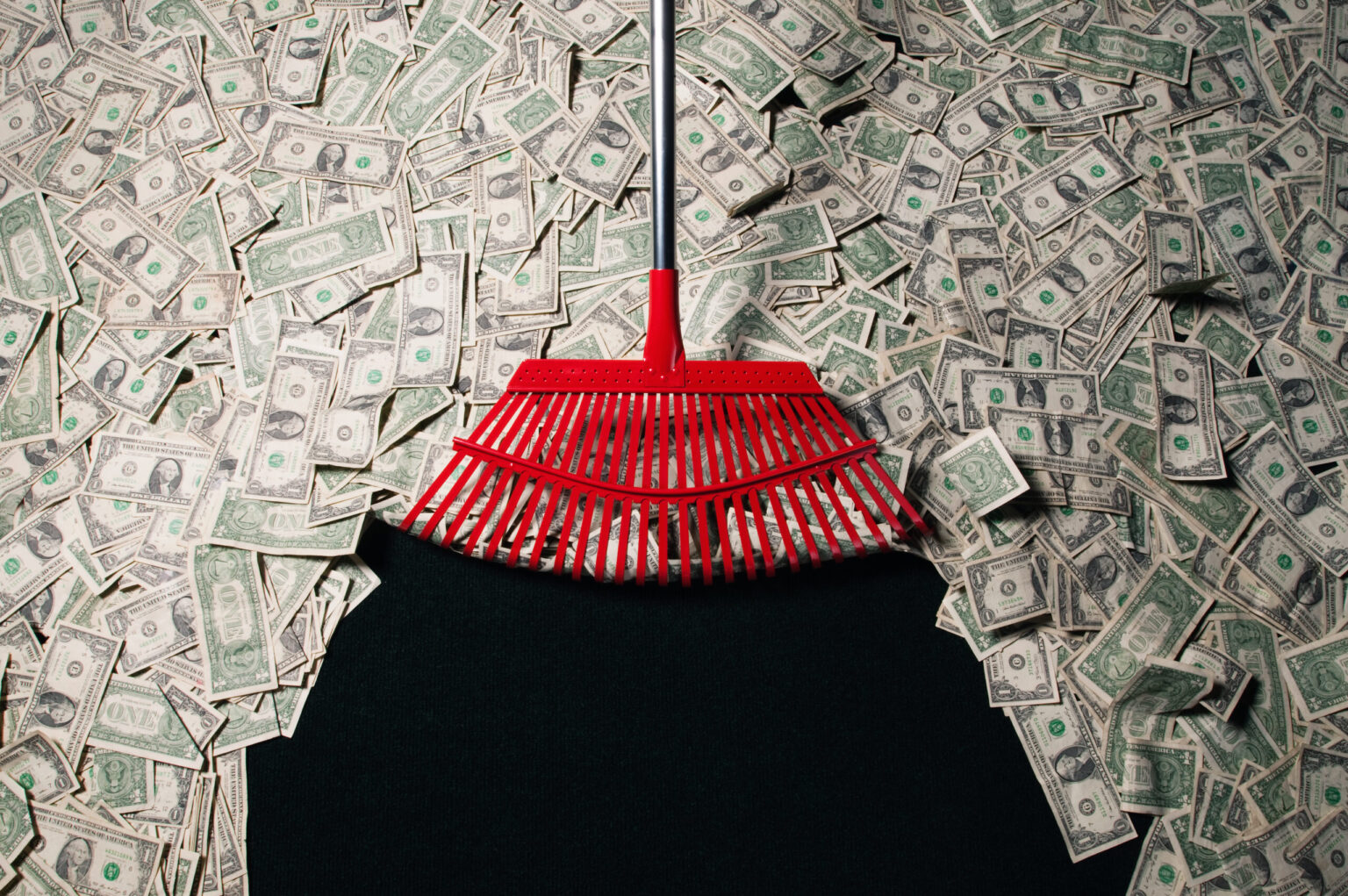
Open your bank app. Scroll slowly.
Streaming. Music. Cloud storage. Fitness. News. Food delivery. Software. “Premium” features you don’t remember upgrading to.
This is the modern consumer experience. Not ownership. Obligation.
In the current business atmosphere, subscription fatigue is real, spreading quietly across markets, and forcing companies to rethink a model that once felt unstoppable.
How Subscriptions Went From Convenience to Clutter
Subscriptions were sold as freedom.
Pay less upfront. Cancel anytime. Always updated. No commitment anxiety.
Then everything became a subscription.
What was once a smart alternative to ownership turned into a monthly maze. Consumers stopped asking “Do I want this?” and started asking “Why am I still paying for this?”
The emotional shift matters. When spending feels automatic, resentment builds.
The Psychology Changed, Not the Product
Most subscription services didn’t get worse. People just got tired.
Economic pressure trained consumers to audit expenses aggressively. Inflation made small charges feel louder. Layoffs and job insecurity added caution.
A ₹299 or $9.99 charge used to feel invisible. Now it feels like a decision.
The result is behaviour change. Fewer subscriptions. More churn. Shorter loyalty windows.

Churn Is the New Growth Metric
Companies once celebrated subscriber count. Now they obsess over retention curves.
Free trials don’t convert like they used to. Annual plans face resistance. “Cancel anytime” buttons get used more often.
This has forced businesses to rethink how value is delivered.
If customers don’t feel ongoing benefit, they leave. No anger. No feedback. Just silence.
That’s the hardest kind of loss.

Bundling Is Making a Comeback
One response to subscription fatigue is bundling.
Media companies bundle streaming with news. Telecom bundles content with data plans. Software firms bundle features that were once separate.
The logic is simple. Fewer decisions feel easier than many.
Consumers may not love subscriptions anymore, but they tolerate fewer, broader ones.
Choice overload is expensive.
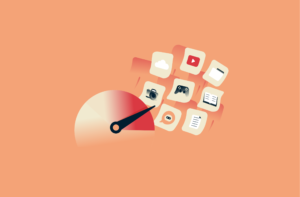
The Return of Ownership, Quietly
An interesting countertrend is emerging.
Some consumers prefer one-time purchases again. Downloaded software. Pay-once tools. Physical products that don’t demand updates or logins.
Ownership feels calming.
It’s not nostalgia. It’s relief. Knowing something won’t ask for money next month has emotional value now.
Businesses offering lifetime plans or buy-once options are seeing renewed interest, even at higher prices.
Why This Matters Beyond Consumers
Subscription fatigue affects forecasting.
Recurring revenue used to mean predictability. Now it means constant defence. Marketing budgets rise to replace churn. Growth becomes harder to sustain.
For investors and analysts, not all recurring revenue is equal anymore. Quality of retention matters more than scale of acquisition.
Sticky revenue beats large revenue.
Cultural Fatigue Is Part of It
There’s also a deeper layer.
Subscriptions symbolise a world where nothing is fully yours. Music disappears if you stop paying. Files lock. Features vanish. Access replaces ownership.
In uncertain times, people crave control.
Canceling a subscription isn’t just financial. It’s psychological. It’s reclaiming space.

The Business Atmosphere Signal
Subscription fatigue tells us something bigger about the economy.
Consumers are not anti-spending. They are anti-leakage.
They want clarity, control, and conscious spending. Businesses that respect that will survive. Those that rely on inertia will struggle.
The age of “set it and forget it” is over.

The Bigger Picture
Subscriptions aren’t dying. They’re being questioned.
The model still works when value is obvious, usage is frequent, and trust is strong. But the blind expansion phase is done.
In today’s business climate, customers don’t want endless access. They want meaningful access.
And if every month feels like rent, sooner or later, people move out.