
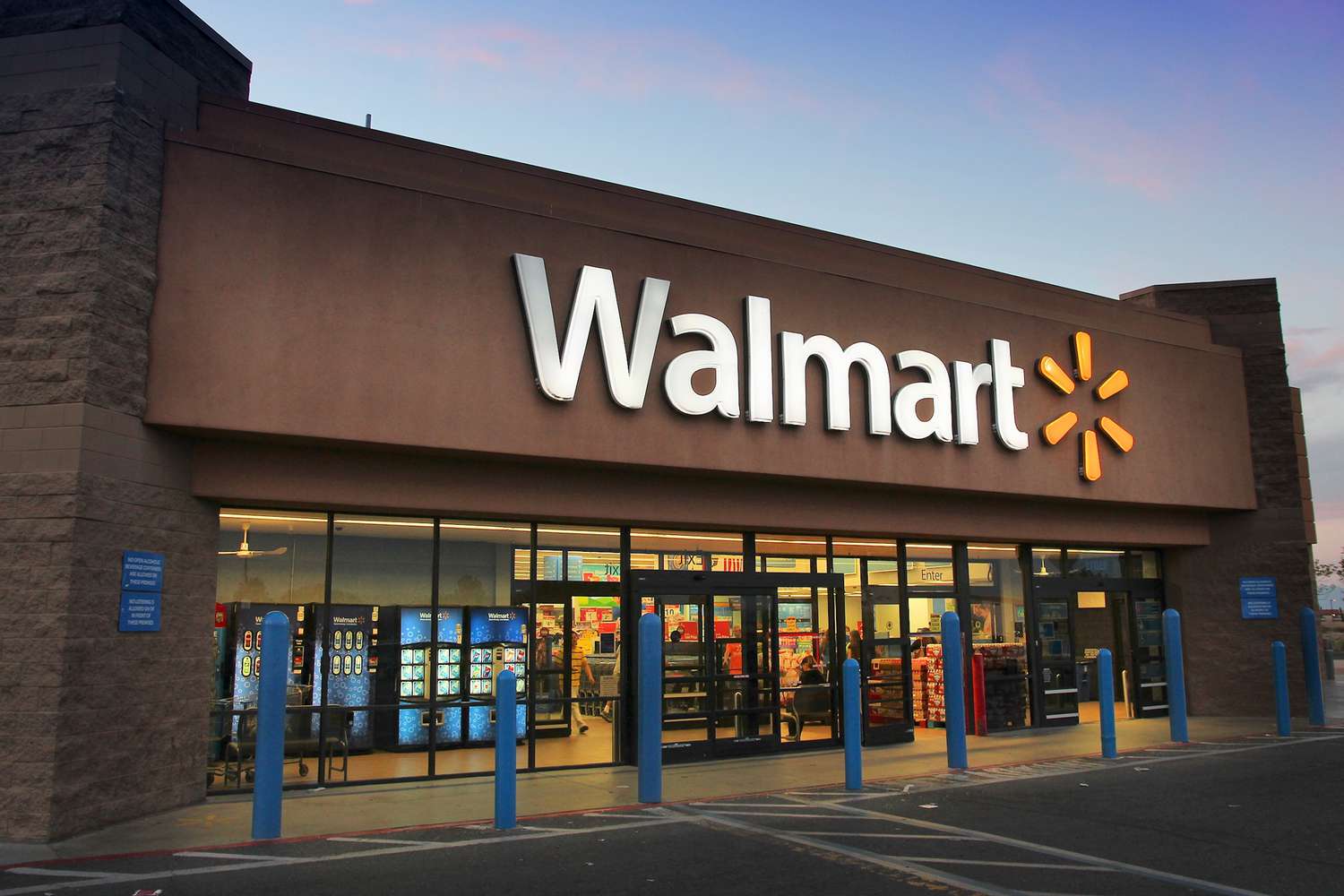
Walmart partnered with construction company Alquist 3D last year to build an almost 8,000-square-foot addition to its store in Athens, Tennessee, for online order pickup and delivery services. It is the largest 3D-printed commercial structure in the U.S. and, despite a bumpy start, a key proof of concept for the technology’s commercial viability.
Alquist, based in Greeley, Colorado, just announced it will now print more than a dozen new Walmart buildings, as well as buildings for other commercial retailers, in what is arguably the largest-scale commercial real estate deployment of this technology, which has mostly been used in residential construction so far.

As part of that deal, Sika, one of the world’s largest construction materials companies, with a heavy focus on sustainability, will provide materials to Alquist for all future 3D-printed projects and licensees. This will streamline Alquist’s national pipeline, lower material and freight costs, and accelerate development of more sustainable mixes for large-scale 3D-printed construction — including the commercial projects rolling out with Walmart, according to Alquist.
“This collaboration positions Sika at the forefront of next-generation construction, opening new markets and creating long-term growth opportunities,” said Noah Callantine, 3D concrete printing engineer and field service specialist with Sika. It is a clear turning point in CRE construction, which has been notoriously slow to modernize. The new technology has started to grow in the homebuilding market, but has been far slower in commercial construction, simply due to the size of the printers needed to create larger buildings.
Alquist, which designs and builds the larger-scale printers, as well as develops the code and software to operate them, started in the residential sector. It is now partnering with a large equipment rental dealer and a full-service general contractor to scale the technology commercially nationwide. Doing so helps to lower the high cost of materials, as well as the labor, which needs to be both trained and local, according to Alquist.

“The way to bring prices down [for] anything is to get volume, and as you get volume, you get the attention of suppliers. They see that it matters, and the more that they make, the cheaper that they can bring their supply chain down,” said Patrick Callahan, CEO of Alquist.
Callahan’s background is in defense technology, not construction, and he has positioned Alquist as a tech company. He said he follows the mandate of company founder Zach Mannheimer to find ways to build residential and commercial buildings and infrastructure faster, cheaper, better and greener. He admitted the first project in Athens took far too long, as they worked out the kinks in both managing the materials and implementing the technology to print their first commercial building.
“It was a sort of classic Silicon Valley failing forward job,” Callahan said. “We were not part of the design process. They changed permitting. … The general contractor that we fell under met us about a week before we started, and nobody had ever done this before.” The second project, a 5,000-square-foot Walmart pickup center in Huntsville, Alabama, took just seven days to complete.